
Chirostenotes
Chirostenotes is a genus of oviraptorosaurian dinosaur that lived in Alberta, Canada, during the Late Cretaceous period, approximately 76.5 to 75 million years ago. Known for its narrow hands and long legs, its precise classification and the assignment of fossil remains have a complex history, with several related genera eventually being incorporated or distinguished from it.
Key Facts
- ›Chirostenotes lived during the Late Cretaceous period.
- ›Its fossils have been found in Alberta, Canada.
- ›The genus is characterized by long arms with slender, relatively straight claws and long, powerful legs.
- ›Its diet is believed to have been omnivorous or herbivorous, based on related species.
- ›The discovery and naming history of Chirostenotes is complex, involving multiple genera and species.
- ›Estimated length is around 2.5 meters, with a weight of about 100 kg.
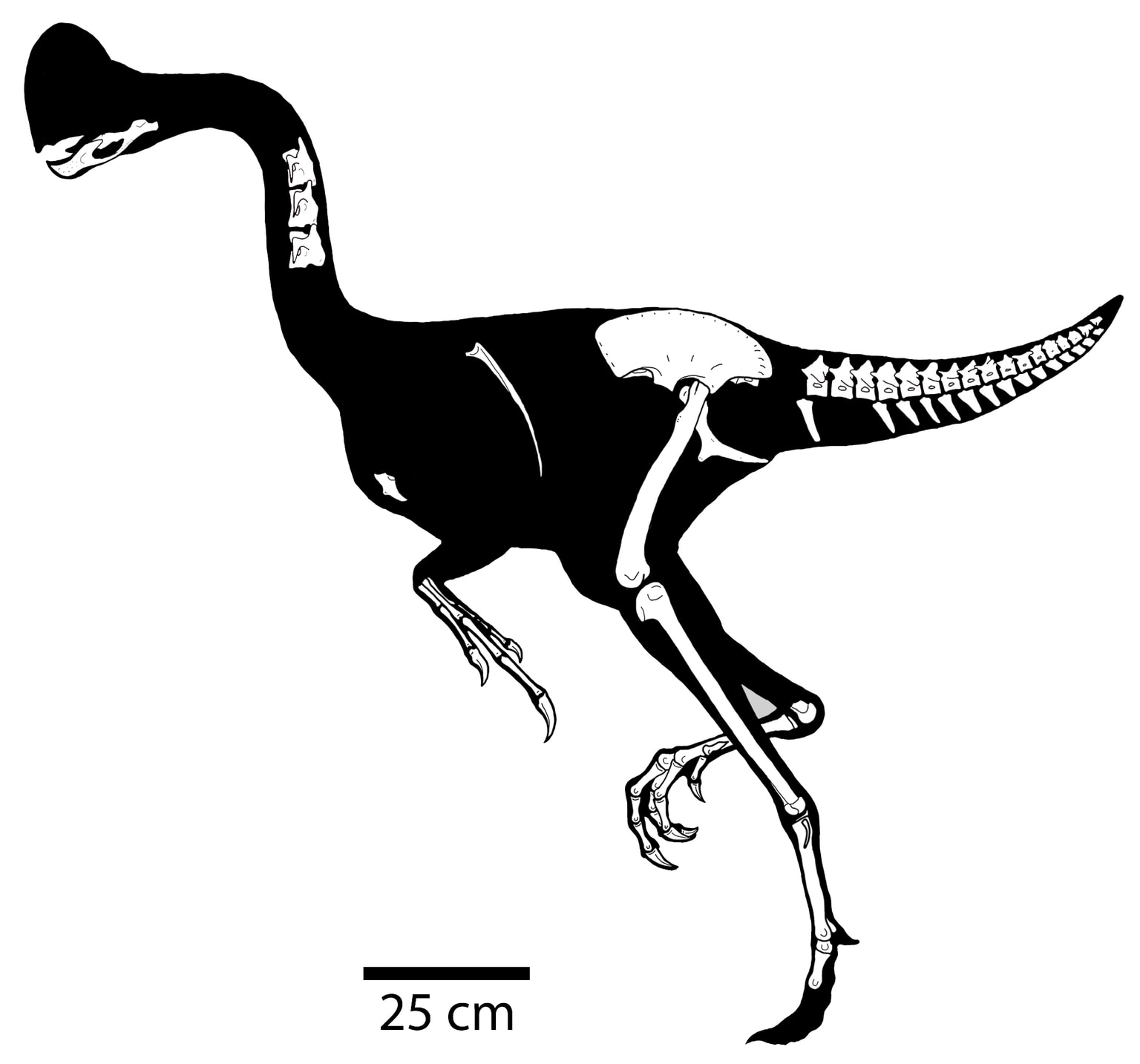
- Long arms ending in slender, relatively straight claws
- Long, powerful legs with slender toes
- Estimated length of 2.5 meters
- Estimated weight of 100 kg
Elmisaurus, Caenagnathus, Anzu, Richardoestesia
Canada
About Chirostenotes
Chirostenotes is a genus of oviraptorosaurian dinosaur that roamed the earth during the Late Cretaceous period, approximately 76.5 to 75 million years ago. Its fossils have primarily been unearthed in Alberta, Canada, making it a significant find from the rich Dinosaur Park Formation. The genus is distinguished by its unique anatomical features, including long arms equipped with slender, relatively straight claws, and long, powerful legs ending in slender toes.
History of Discovery and Naming
The history of Chirostenotes is marked by considerable complexity in its discovery and naming. The first fossils, a pair of hands, were discovered in 1914 by George Fryer Sternberg. These specimens were studied by Lawrence Morris Lambe, who passed away before formally describing them. In 1924, Charles Whitney Gilmore adopted Lambe's notes and officially named the type species Chirostenotes pergracilis. Over time, other fossils, such as feet and jaws, were discovered and initially assigned to different genera like Macrophalangia and Caenagnathus. It was not until the late 20th century that research, aided by discoveries of more complete specimens from Asia, began to clarify the relationships between these finds, leading to the consolidation of many of these fossils under the genus Chirostenotes.
Physical Characteristics and Paleobiology
Estimates place Chirostenotes at about 2.5 meters (8.2 ft) in length and around 100 kg (220 lbs) in weight. Its long arms and specialized claws suggest adaptations for specific behaviors. While direct evidence of its diet is limited, studies of related species like Anzu wyliei and Caenagnathus collinsi indicate that Chirostenotes was likely an omnivore or herbivore. One theory proposes that its elongated second finger and claw were adapted for probing crevices to extract soft-bodied prey such as grubs, or for impaling small vertebrates. However, the presence of large primary feathers on this digit, as seen in other oviraptorosaurs, could have limited such manipulative behaviors.
Source: Wikipedia ↗
Frequently Asked Questions
When did Chirostenotes live?
Chirostenotes lived during the Late Cretaceous period, approximately 76.5 to 75 million years ago. This places it among the dinosaurs that existed shortly before the major extinction event.
Where were Chirostenotes fossils found?
The fossils of Chirostenotes have been discovered in Alberta, Canada. Specifically, many remains originate from the Dinosaur Park Formation.
What did Chirostenotes eat?
Based on evidence from related species like Anzu wyliei and Caenagnathus collinsi, Chirostenotes was likely an omnivore or a herbivore. Studies suggest it may have probed crevices for soft-bodied prey or fed on plants.
What are the distinctive physical features of Chirostenotes?
Chirostenotes is recognized for its long arms that terminated in slender, relatively straight claws. It also possessed long, powerful legs with slender toes.
What is the scientific name for Chirostenotes?
The scientific name for the type species is Chirostenotes pergracilis. The genus name Chirostenotes is derived from Greek words meaning 'narrow hand'.
Has the classification of Chirostenotes changed over time?
Yes, the classification of Chirostenotes has a complicated history. Initially, fossils now attributed to Chirostenotes were named under different genera like Macrophalangia and Caenagnathus. It took extensive research to consolidate these finds under the valid genus name, Chirostenotes.
Related Dinosaur species
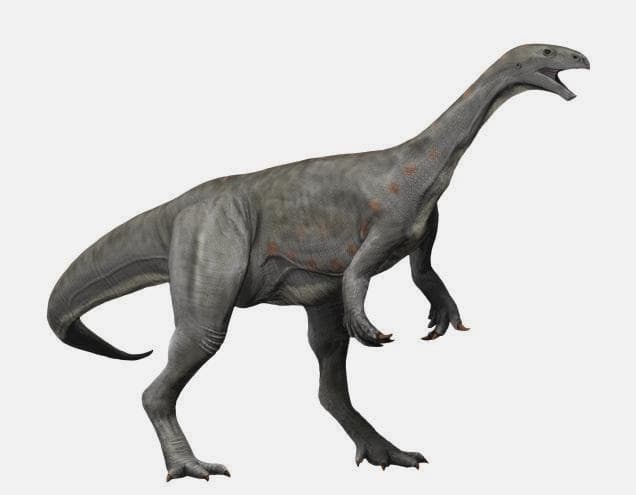
Asylosaurus
Asylosaurus is a genus of basal sauropodomorph dinosaur that lived in England during the Late Triassic period. Its name, "unharmed or sanctuary lizard," reflects its survival from potential wartime destruction of other fossils. This dinosaur is known from partial remains discovered in Bristol, England.
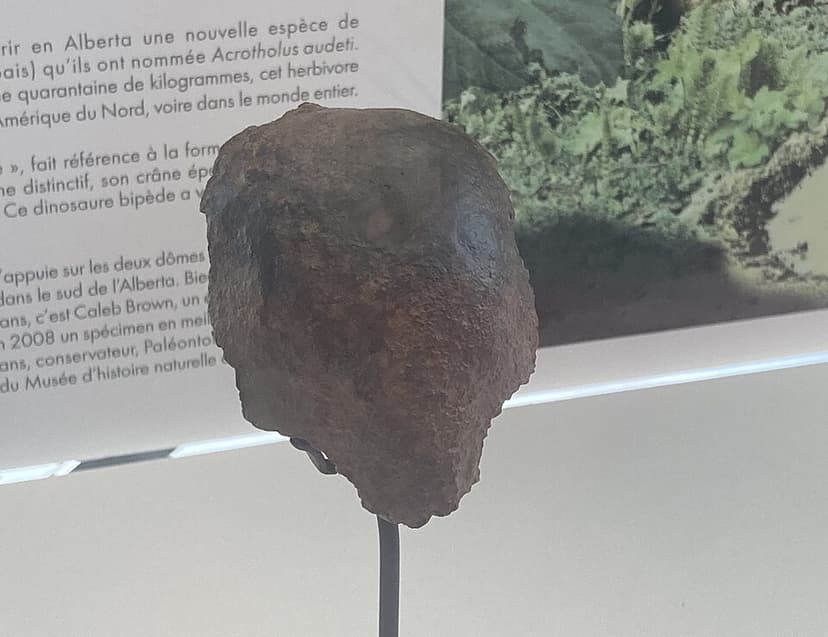
Acrotholus
Acrotholus is an extinct genus of pachycephalosaurian dinosaur that lived during the Santonian stage of the Late Cretaceous period in what is now Canada. It is notable for being one of the earliest known members of the pachycephalosaur family with a well-developed, dome-shaped skull. Acrotholus was a bipedal herbivore whose cranial dome has been theorized to have been used for intraspecies combat or display.

Albertavenator
Albertavenator is a genus of small troodontid theropod dinosaur that lived in Alberta, Canada, during the early Maastrichtian stage of the Late Cretaceous period, approximately 71 million years ago. Known from partial skull material, its distinct cranial features, particularly its short and broad frontal bones, differentiate it from other troodontids. The recognition of Albertavenator has helped to clarify the diversity of small theropods in North America during this period.