
Bruhathkayosaurus
Bruhathkayosaurus is a genus of titanosaur sauropod dinosaur discovered in India, known from fragmentary remains. While initially described as a theropod, later analysis suggested it was a massive herbivore. Estimates suggest it may have been one of the largest land animals ever to have lived, potentially rivaling the blue whale in size.
Key Facts
- ›Bruhathkayosaurus means 'huge-bodied lizard'.
- ›Fossils were found in the Kallamedu Formation of India.
- ›It is classified as a titanosaur sauropod.
- ›Size estimates vary widely, with some suggesting lengths over 45 meters and weights exceeding 100 tonnes.
- ›The original fossils have disintegrated, making current estimates difficult to verify.
- ›It lived during the Maastrichtian stage of the Late Cretaceous period.

- Fragmentary remains include hip bones, partial leg bones, a forearm, and a tail bone.
- Estimated length can exceed 35 meters, with some estimates reaching 45 meters.
- Estimated weight can exceed 80 tonnes, with some estimates ranging from 110 to 170 tonnes.
Argentinosaurus, Dreadnoughtus, Patagotitan, Antarctosaurus Giganteus
India
About Bruhathkayosaurus
Bruhathkayosaurus is a genus of titanosaur sauropod dinosaur unearthed in India. The genus name, meaning 'huge-bodied lizard,' reflects the immense size suggested by its fossils. Originally described in 1987 by P. Yadagiri and K. Ayyasami, the remains were initially thought to belong to a theropod but were later reclassified as a titanosaur sauropod. The fossils were discovered in the Kallamedu Formation of Tamil Nadu and date to the Maastrichtian stage of the Late Cretaceous period, approximately 70 million years ago.
Size and Significance
The fragmentary nature of the Bruhathkayosaurus fossils, which have since disintegrated, makes precise size estimations challenging. However, researchers have proposed significant figures, with some estimates suggesting lengths exceeding 35 meters (115 ft) and weights over 80 tonnes. More recent estimates have placed its potential weight between 110–170 tonnes and its length at 45 meters (148 ft). If these upper estimates are accurate, Bruhathkayosaurus would rank among the largest terrestrial animals ever to have existed, potentially rivaling the size of a modern blue whale.
Discovery and Preservation Challenges
The holotype specimen, GSI PAL/SR/20, was discovered around 1978. The fossils recovered included hip bones, partial leg bones, a radius, and a tail bone. The geological context of the Kallamedu Formation, characterized by monsoon rains and sandy clays, contributed to the extreme fragility of the fossils. This friability, combined with daily temperature fluctuations, caused the bones to disintegrate even within their protective field jackets before they could be fully studied and preserved. This unfortunate preservation issue has rendered the original fossils no longer available, making it impossible to definitively confirm the extraordinary size estimates.
Source: Wikipedia ↗
Frequently Asked Questions
What does the name Bruhathkayosaurus mean?
The name Bruhathkayosaurus is derived from Sanskrit words: 'Bruhathkaya' meaning 'huge, heavy body' and the Greek word 'sauros' meaning 'lizard'. Therefore, the name translates to 'huge-bodied lizard'.
Where were the fossils of Bruhathkayosaurus found?
The holotype fossils of Bruhathkayosaurus were discovered near the village of Kallamedu in the Tiruchirappalli district of Tamil Nadu, in southern India. They were recovered from rocks of the Kallamedu Formation.
What period did Bruhathkayosaurus live in?
Bruhathkayosaurus lived during the Maastrichtian stage of the Late Cretaceous epoch. This period is estimated to have been around 70 million years ago.
What did Bruhathkayosaurus eat?
As a titanosaur sauropod, Bruhathkayosaurus is classified as a herbivore. Its diet would have consisted of plants.
How large was Bruhathkayosaurus?
Size estimates for Bruhathkayosaurus are highly uncertain due to the fragmentary nature of the fossils, which have since disintegrated. However, some researchers have estimated lengths exceeding 45 meters (148 ft) and weights ranging from 110 to 170 tonnes, potentially making it one of the largest animals ever to exist.
What happened to the original fossils of Bruhathkayosaurus?
The original fossil remains of Bruhathkayosaurus were found to be extremely fragile due to the monsoon climate and the nature of the Kallamedu Formation rocks. They began to disintegrate inside their protective field jackets before they could be fully studied and preserved, and no longer exist today.
Related Dinosaur species

Barapasaurus
Barapasaurus is a genus of basal sauropod dinosaur that lived in India during the Early to Middle Jurassic period. It is notable for being one of the earliest and most completely known sauropods, with fossil evidence from at least six individuals providing a near-complete skeleton except for the skull and front neck vertebrae. Its name, meaning "big-legged lizard," reflects its substantial size and build.

Coeluroides
Coeluroides is an extinct genus of theropod dinosaur that inhabited India during the Late Cretaceous Period. Its existence is known solely through fossilized caudal vertebrae found in the Lameta Formation. While initially considered a dubious name due to limited remains, later analyses suggest it is likely a valid genus, potentially a synonym for Ornithomimoides.
Alwalkeria
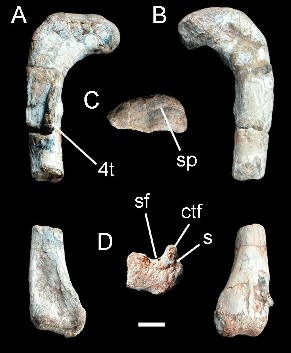
Alwalkeria is a genus of extinct avemetatarsalian from the Late Triassic of India. Originally described as a theropod dinosaur, subsequent research has revealed its fossil material to be chimaeric, belonging to multiple unrelated taxa. Its precise classification remains uncertain, with current interpretations placing it within Avemetatarsalia of indeterminate placement.