
Alwalkeria
Alwalkeria is a genus of extinct avemetatarsalian from the Late Triassic of India. Originally described as a theropod dinosaur, subsequent research has revealed its fossil material to be chimaeric, belonging to multiple unrelated taxa. Its precise classification remains uncertain, with current interpretations placing it within Avemetatarsalia of indeterminate placement.
Key Facts
- ›Alwalkeria lived during the Carnian stage of the Late Triassic period, approximately 235 to 228 million years ago.
- ›Fossils were discovered in the Lower Maleri Formation of India.
- ›The genus name Alwalkeria was created as a replacement because the original name 'Walkeria' was preoccupied.
- ›The fossil material is considered chimaeric, meaning it comprises remains from different animals.
- ›The skull is likely from a pseudosuchian, while some limb bones may belong to a dinosaur or other reptiles.
- ›Alwalkeria is currently classified within Pan-Aves (Avemetatarsalia) with an uncertain placement.
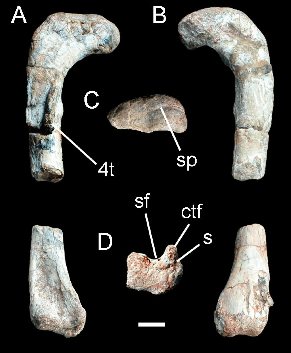
Partial Skull, Multiple Vertebrae, Fragmentary Limb Bones
Alickmeron Maleriensis
India
About Alwalkeria
Alwalkeria is a genus of extinct avemetatarsalian known from the Late Triassic period in India. The single species, Alwalkeria maleriensis, was first described in 1987. The genus name was later revised to Alwalkeria to avoid a conflict with an existing name.
History and Classification
Originally identified as a 'podokesaurid' theropod, subsequent research has revealed that the fossil material attributed to Alwalkeria is chimaeric, meaning it consists of remains from multiple unrelated taxa. The partial skull is thought to belong to a pseudosuchian, while the vertebrae are from various ancient reptiles. Some limb bones, specifically femora, have been suggested to belong to lagerpetids or basal dinosaurs, though their referral to Alwalkeria is ambiguous.
Due to the chimaeric nature of its holotype, the precise classification of Alwalkeria has been contentious. While some early interpretations placed it within theropods or basal saurischians, current understanding suggests it is a member of Pan-Aves (Avemetatarsalia) with an uncertain placement. The material has been described as problematic due to the difficulty in assigning it to a single group.
Paleoecology
The Maleri Formation, where Alwalkeria fossils were found, is interpreted as the site of an ancient lake or river system. This environment was also home to other prehistoric animals, including sauropodomorphs like Jaklapallisaurus and Nambalia, and the herrerasaurian Maleriraptor.
Source: Wikipedia ↗
Frequently Asked Questions
What does Alwalkeria mean?
The genus name Alwalkeria was chosen in honor of British paleontologist Alick Walker. The specific name, maleriensis, refers to the Lower Maleri Formation in India where the fossils were found.
What kind of dinosaur was Alwalkeria?
Initially, Alwalkeria was described as a theropod dinosaur. However, later studies indicated that the fossil remains are chimaeric, meaning they belong to different animals. Its exact classification is now considered uncertain, though it is placed within Avemetatarsalia.
Where were Alwalkeria fossils found?
The fossils of Alwalkeria were discovered in the Lower Maleri Formation, located in the Godavari Valley of Andhra Pradesh, India.
When did Alwalkeria live?
Alwalkeria lived during the Carnian stage of the Late Triassic period. This was approximately 235 to 228 million years ago.
What was Alwalkeria's diet?
The diet of Alwalkeria cannot be definitively determined due to the chimaeric nature of its fossil remains and its uncertain classification. Information on its dietary habits is not preserved in the fossil record.
Related Dinosaur species
Ankistrodon
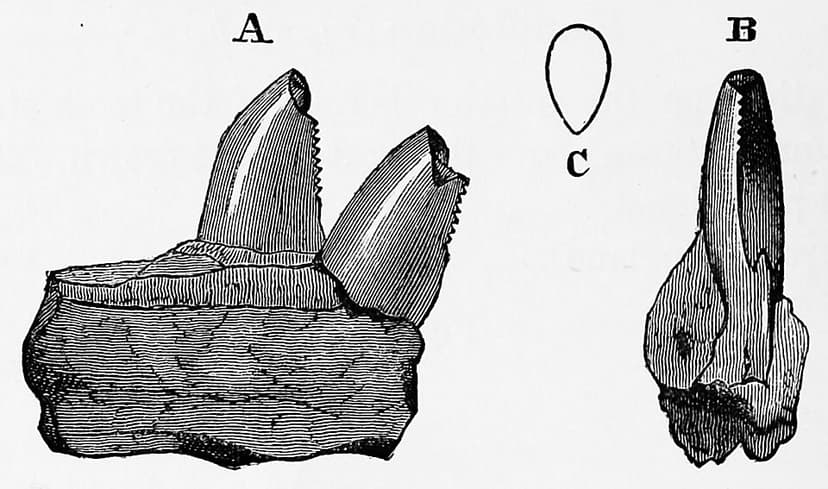
Ankistrodon is an extinct genus of archosauriform that lived during the Early Triassic period. Initially believed to be a theropod dinosaur, it was later reclassified as a proterosuchid. The genus is considered a nomen dubium by some authorities due to its indistinguishable teeth from those of Proterosuchus.

Barapasaurus
Barapasaurus is a genus of basal sauropod dinosaur that lived in India during the Early to Middle Jurassic period. It is notable for being one of the earliest and most completely known sauropods, with fossil evidence from at least six individuals providing a near-complete skeleton except for the skull and front neck vertebrae. Its name, meaning "big-legged lizard," reflects its substantial size and build.

Bruhathkayosaurus
Bruhathkayosaurus is a genus of titanosaur sauropod dinosaur discovered in India, known from fragmentary remains. While initially described as a theropod, later analysis suggested it was a massive herbivore. Estimates suggest it may have been one of the largest land animals ever to have lived, potentially rivaling the blue whale in size.