
Barapasaurus
Barapasaurus is a genus of basal sauropod dinosaur that lived in India during the Early to Middle Jurassic period. It is notable for being one of the earliest and most completely known sauropods, with fossil evidence from at least six individuals providing a near-complete skeleton except for the skull and front neck vertebrae. Its name, meaning "big-legged lizard," reflects its substantial size and build.
Key Facts
- ›Barapasaurus is one of the earliest known sauropod dinosaurs.
- ›Fossils come from the Kota Formation in India, dating to the Early to Middle Jurassic.
- ›Approximately 300 bones from at least six individuals have been discovered.
- ›The skeleton is almost completely known, except for the anterior cervical vertebrae and skull.
- ›Estimated length is 12 to 14 meters, with a weight of approximately 7 tonnes.
- ›Its scientific name honors the Bengali poet Rabindranath Tagore.

- Estimated length of 12 to 14 meters.
- Estimated weight of 7 tonnes.
- Columnar limbs indicating quadrupedal posture.
- Elongated cervical vertebrae suggesting a long neck.
- Spoon-shaped teeth with wrinkled enamel and coarse serration.
- Early hints of vertebral hollowing for weight reduction.
- Strengthened sacrum with an additional fourth sacral vertebra.
Kotasaurus, Vulcanodon
India
About Barapasaurus
Barapasaurus: An Early Giant of the Jurassic
Barapasaurus is a genus of basal sauropod dinosaur that roamed the Earth during the Early to Middle Jurassic period. Its fossils, discovered in India, represent one of the earliest and most comprehensively understood sauropods from this era. The significant fossil material, comprising around 300 bones from at least six individuals, allows for a detailed reconstruction of its anatomy, with the exception of the skull and the very front of its neck.
Discovery and Naming
The fossils of Barapasaurus were found in the Kota Formation in central India. The initial discovery was made in 1958, with the majority of specimens unearthed in 1960 and 1961. The species was scientifically described in 1975 by palaeontologist Sohan Lal Jain and his colleagues. The genus name, Barapasaurus, translates to "big-legged lizard," a nod to its substantial limbs. The species name, tagorei, honors the renowned Bengali poet and polymath Rabindranath Tagore, whose birth centenary coincided with the first year of fieldwork.
Anatomy and Lifestyle
Despite being an early sauropod, Barapasaurus possessed the characteristic body plan of later, more derived sauropods. It had elongated cervical vertebrae, indicating a long neck, and robust, columnar limbs that supported an obligate quadrupedal stance. Estimates suggest Barapasaurus reached lengths of 12 to 14 meters (39 to 46 feet) and weighed approximately 7 tonnes. Its vertebral column exhibited early features that would later contribute to the immense size of sauropods, such as hints of hollowing for weight reduction and specialized articulations for stability. The limited skull material recovered includes spoon-shaped teeth with wrinkled enamel, indicative of a herbivorous diet.
Geological Context and Significance
Barapasaurus originates from the lower part of the Kota Formation, with its age debated but generally accepted as Early Jurassic, roughly 184 to 200 million years ago. This placement makes it a crucial species for understanding the early evolution and diversification of sauropods, a group that would go on to include the largest land animals to have ever lived. The rich fossil record of Barapasaurus provides invaluable data on the anatomy and adaptations of these early giants.
Source: Wikipedia ↗
Frequently Asked Questions
What does the name Barapasaurus mean?
The name Barapasaurus is derived from Indian languages meaning 'big' and 'leg', combined with the Greek word 'sauros' meaning 'lizard'. Thus, it translates to 'big-legged lizard'.
Where were Barapasaurus fossils found?
All known fossils of Barapasaurus have been discovered in a single locality near the village of Pochampally in central India. This area is part of the Kota Formation.
How old is Barapasaurus?
Barapasaurus lived during the Early to Middle Jurassic period, with estimates placing its age between roughly 184 and 200 million years ago, though some studies suggest it could be Middle Jurassic or even later.
What did Barapasaurus eat?
While the skull of Barapasaurus is not well-preserved, the teeth found are spoon-shaped with wrinkled enamel and coarse serration, typical of sauropods that were herbivores. It is understood to have been a plant-eater.
How big was Barapasaurus?
Barapasaurus is estimated to have been between 12 to 14 meters (39 to 46 feet) long and weighed around 7 tonnes (7.7 short tons). Its size was comparable to later, more derived sauropods.
What makes Barapasaurus significant?
Barapasaurus is significant because it is one of the earliest known sauropods and is one of the most completely known from that period, offering valuable insights into the early evolution of this dinosaur group.
Related Dinosaur species

Bruhathkayosaurus
Bruhathkayosaurus is a genus of titanosaur sauropod dinosaur discovered in India, known from fragmentary remains. While initially described as a theropod, later analysis suggested it was a massive herbivore. Estimates suggest it may have been one of the largest land animals ever to have lived, potentially rivaling the blue whale in size.
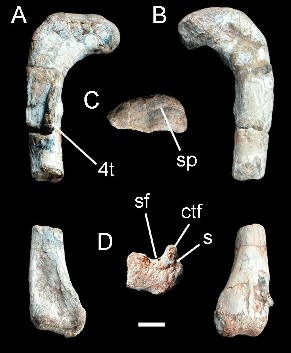
Alwalkeria
Alwalkeria is a genus of extinct avemetatarsalian from the Late Triassic of India. Originally described as a theropod dinosaur, subsequent research has revealed its fossil material to be chimaeric, belonging to multiple unrelated taxa. Its precise classification remains uncertain, with current interpretations placing it within Avemetatarsalia of indeterminate placement.
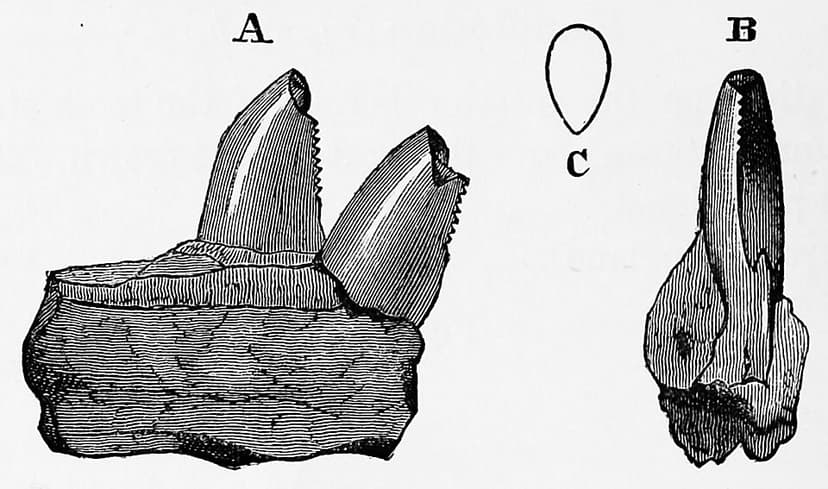
Ankistrodon
Ankistrodon is an extinct genus of archosauriform that lived during the Early Triassic period. Initially believed to be a theropod dinosaur, it was later reclassified as a proterosuchid. The genus is considered a nomen dubium by some authorities due to its indistinguishable teeth from those of Proterosuchus.