
Chebsaurus
Herbivore·Jurassic·Algeria·Quadrupedal
Chebsaurus is a genus of eusauropod dinosaur that lived in what is now Algeria during the Callovian age. The type species, Chebsaurus algeriensis, is the most complete Algerian sauropod discovered to date, with fossils found in the Ksour Mountains. It is estimated to have been between 8 to 9 meters long.
Key Facts
- ›Chebsaurus is a genus of eusauropod dinosaur.
- ›Fossils were discovered in the Aïssa Formation of Algeria.
- ›Lived during the Callovian stage of the Jurassic period.
- ›The type species, C. algeriensis, was named in 2005 by Mahammed et al.
- ›It is one of the most complete Algerian sauropods known.
- ›Estimated length is 8 to 9 meters.
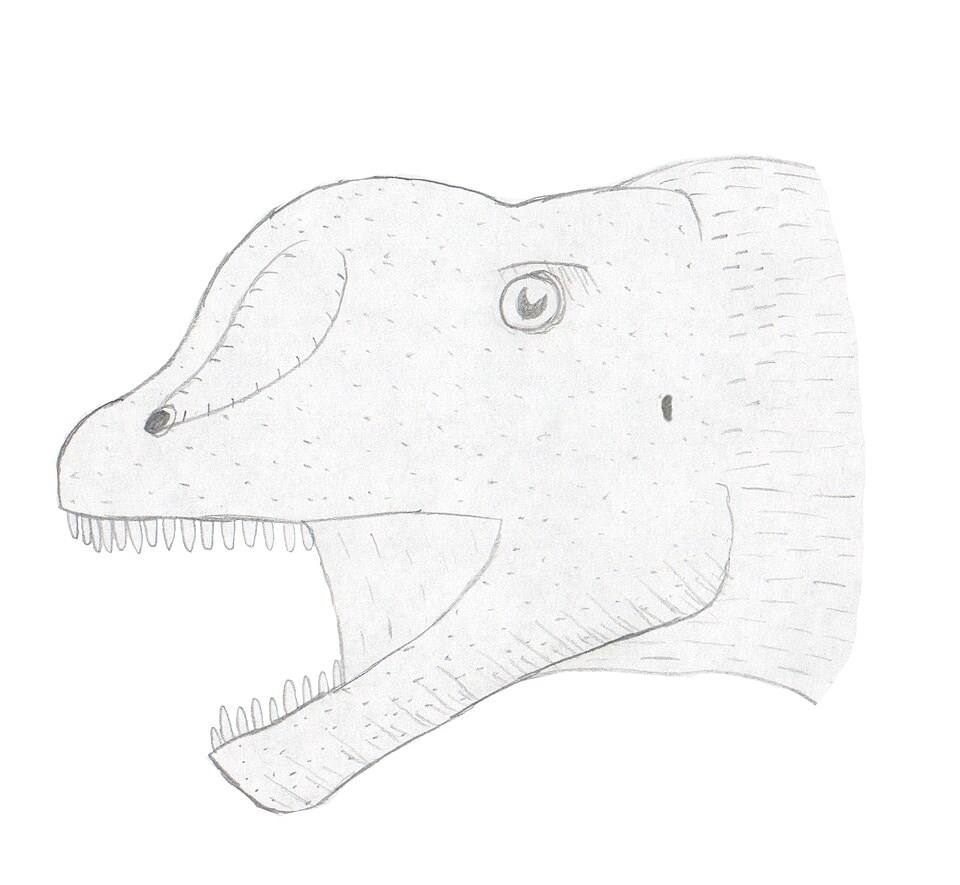
Estimated length of 8 to 9 meters., Fossils indicate juvenile individuals.
Algeria
About Chebsaurus
Chebsaurus is a genus of sauropod dinosaur, specifically classified as a eusauropod. This dinosaur inhabited the region that is now present-day Algeria during the Callovian age, a period within the Jurassic. The most complete fossil remains of an Algerian sauropod discovered to date belong to this genus.
Discovery and Naming
The type species, Chebsaurus algeriensis, was formally described and named in 2005 by Mahammed and colleagues. The fossils were unearthed in the Ksour Mountains, a range within the Occidental Saharan Atlas. The genus name, Chebsaurus, is derived from the colloquial Arabic word "cheb" (شاب), meaning "young man," reflecting the belief that the specimens were from juvenile individuals. The original publication also bestowed upon it the nickname "the Giant of Ksour." A second skeleton, also from a juvenile of a similar developmental stage, has been recovered.
Physical Characteristics and Habitat
Chebsaurus is estimated to have measured between 8 to 9 meters (approximately 26 to 30 feet) in length. While details about its specific habitat are not extensively documented, its discovery in the Aïssa Formation suggests an environment potentially characterized by arid or semi-arid conditions, common for North African dinosaur sites of this age. As a sauropod, Chebsaurus would have been a quadrupedal herbivore, likely feeding on vegetation.
Source: Wikipedia ↗
Frequently Asked Questions
What does the name Chebsaurus mean?
The name Chebsaurus is derived from the colloquial Arabic word 'cheb' (شاب), meaning 'young man'. This reflects the belief that the discovered fossils belonged to a juvenile individual.
Where were the fossils of Chebsaurus found?
The fossils of Chebsaurus were discovered in the Ksour Mountains, which are part of the Occidental Saharan Atlas in Algeria. Specifically, they were found within the Aïssa Formation.
How long was Chebsaurus?
Chebsaurus is estimated to have been approximately 8 to 9 meters (26 to 30 feet) in length.
What geological period did Chebsaurus live in?
Chebsaurus lived during the Callovian age, which falls within the Jurassic period.
What is special about the Chebsaurus fossil discovery?
The discovery of Chebsaurus is significant because the type species, C. algeriensis, represents the most complete Algerian sauropod known. Both discovered skeletons were of juvenile individuals.
Related Dinosaur species

Adeopapposaurus
Adeopapposaurus is a genus of plateosaurian dinosaur that lived during the Early Jurassic period in what is now Argentina. Its name, meaning "far eating lizard," refers to its long neck. It is known from several partial skeletons, including skulls, and is classified as a massospondylid dinosaur.
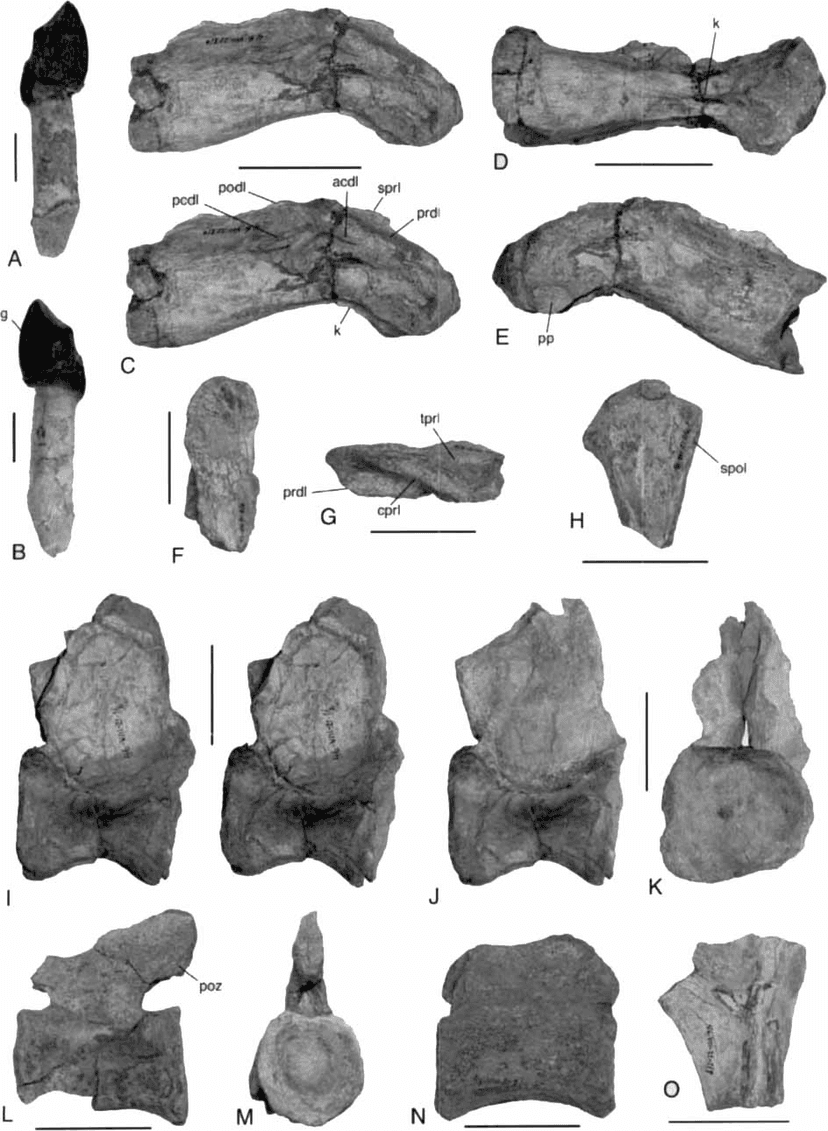
Amygdalodon
Amygdalodon was a basal sauropod dinosaur that lived in Argentina during the Early Jurassic period. It is known from fragmentary remains, including teeth, vertebrae, ribs, and parts of the pelvis and shoulder blade. Despite its limited fossil record, Amygdalodon provides insights into early sauropod evolution in South America.
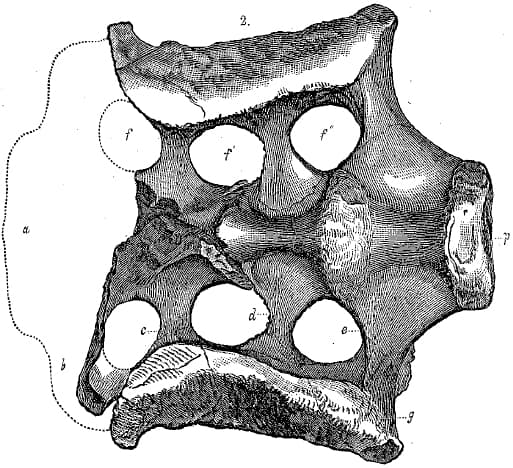
Atlantosaurus
Atlantosaurus is a dubious genus of sauropod dinosaur from the Late Jurassic Morrison Formation of Colorado, United States. It was the first sauropod described during the "Bone Wars" and is known from limited fossil material, making its distinctiveness as a species uncertain.