
Amygdalodon
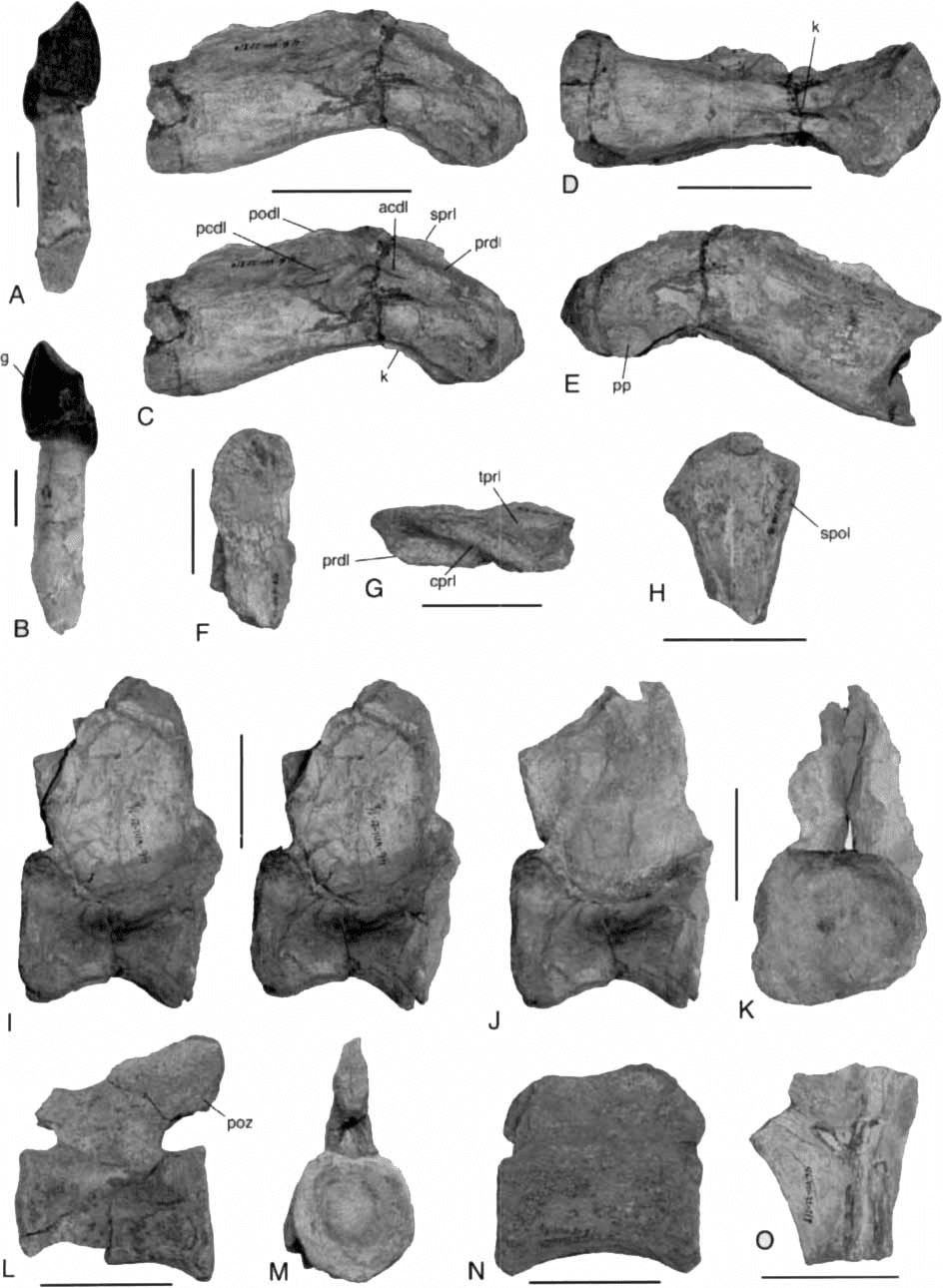
Amygdalodon was a basal sauropod dinosaur that lived in Argentina during the Early Jurassic period. It is known from fragmentary remains, including teeth, vertebrae, ribs, and parts of the pelvis and shoulder blade. Despite its limited fossil record, Amygdalodon provides insights into early sauropod evolution in South America.
Key Facts
- ›Amygdalodon means "almond tooth" due to its distinctive teeth.
- ›It was a quadrupedal dinosaur estimated to be about 12 meters long and 4 meters tall.
- ›Fossils were discovered in the Cerro Carnerero Formation of Argentina.
- ›Amygdalodon is considered one of the earliest sauropods from South America.
- ›Its classification is debated, but it is often placed as a basal or non-eusauropod sauropod.
Almond-Shaped Teeth, Quadrupedal Stance, Estimated Length of 12 Meters, Estimated Height of 4 Meters, Estimated Weight Over 5 Tonnes
Isanosaurus, Gongxianosaurus, Volkheimeria
South America
About Amygdalodon
Amygdalodon is an extinct genus of basal sauropod dinosaur that roamed the Earth during the Early Jurassic period. Its name, meaning "almond tooth," reflects the distinctive almond-shaped teeth found in its fossilized remains. This quadrupedal dinosaur is significant as one of the few Jurassic-era dinosaurs discovered so far in South America, offering valuable insights into the early diversification of sauropods on the continent.
Discovery and Classification
The type species, Amygdalodon patagonicus, was formally described in 1947 based on fossils unearthed in Argentina. The initial discovery in 1936, prompted by earlier, smaller estimates of dinosaur size, led to the recovery of vertebrae, ribs, teeth, and parts of the pelvis and shoulder blade. Scientific classification of Amygdalodon has varied; it has been placed as Eusauropoda incertae sedis and more recently as a non-eusauropod sauropod or sister to Isanosaurus. It is noted for exhibiting early signs of dental modifications for bulk feeding, a trait that would become characteristic of later sauropods, though it lacked more derived vertebral features.
Physical Characteristics and Habitat
Amygdalodon is estimated to have been a substantial dinosaur, reaching approximately 12 meters (39 feet) in length and 4 meters (13 feet) in height. Its estimated weight exceeded 5 tonnes. As a quadrupedal animal, it moved on four limbs. While its precise habitat remains subject to interpretation due to the limited fossil evidence, its discovery in formations dating to the Toarcian age of the Early Jurassic places it within the ancient ecosystems of what is now Argentina.
Source: Wikipedia ↗
Frequently Asked Questions
What does the name "Amygdalodon" mean?
The name Amygdalodon translates to "almond tooth." This refers to the characteristic almond shape of its teeth, which were an early adaptation for bulk feeding seen in later sauropods.
When and where did Amygdalodon live?
Amygdalodon lived during the Early Jurassic period, approximately 180 to 172 million years ago. Its fossils have been found in what is now Argentina.
What was the estimated size of Amygdalodon?
Estimates suggest Amygdalodon reached a length of about 12 meters (39 feet) and stood 4 meters (13 feet) tall. It was a quadrupedal dinosaur with an estimated weight exceeding 5 tonnes.
What kind of dinosaur was Amygdalodon?
Amygdalodon was a basal sauropod, belonging to a group of long-necked, herbivorous dinosaurs. While it shows some adaptations for bulk feeding, it lacked the more derived vertebral features of later sauropods.
What is known about the discovery of Amygdalodon?
The first fossils of Amygdalodon were discovered in 1936 in Chubut, Argentina, prompting a significant increase in the understanding of Jurassic dinosaurs in South America. The type species, Amygdalodon patagonicus, was formally described in 1947.
Related Dinosaur species
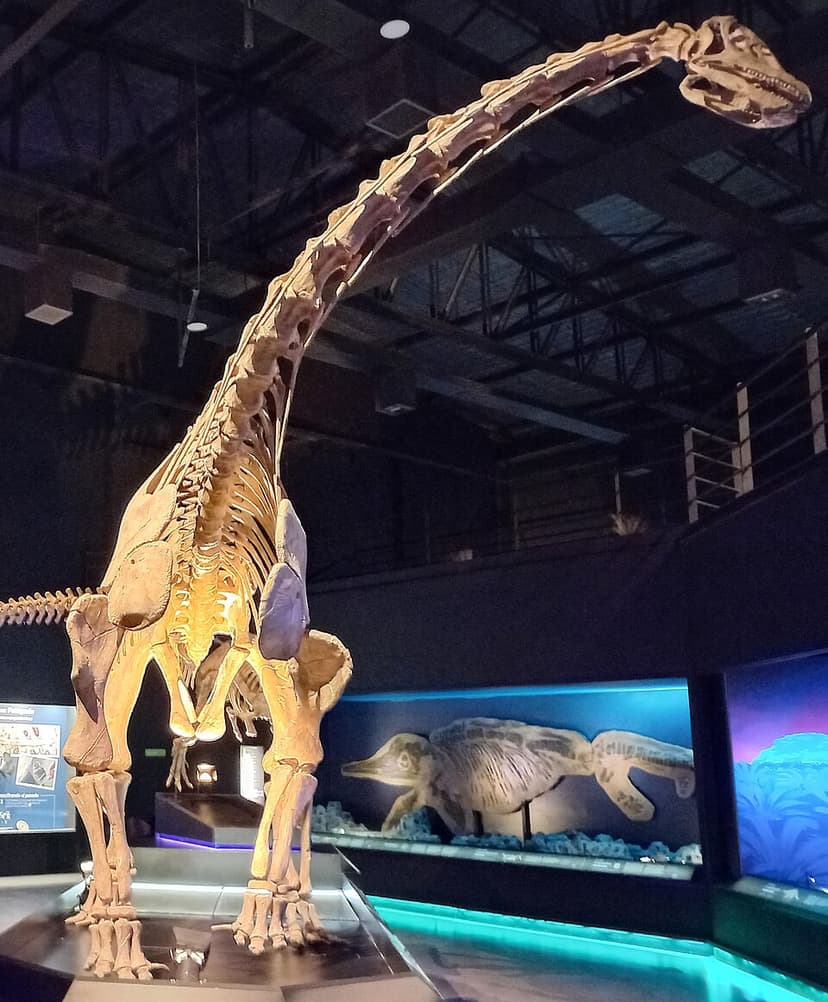
Bagualia
Bagualia is an extinct genus of eusauropod dinosaur that lived during the Early Jurassic period in what is now Argentina. It is significant as the oldest known definitive eusauropod, offering crucial insights into the early evolution of this group. Its robust skull, specialized teeth, and adaptations for quadrupedalism highlight its role in a changing ecosystem.

Condorraptor
Condorraptor is an extinct genus of theropod dinosaur that lived during the Early Jurassic period in what is now Argentina. It was one of the earliest large South American theropods, characterized by unique anatomical features in its vertebrae and tibia. Its genus name translates to 'robber from Cerro Condor,' reflecting its predatory nature and discovery location.

Aeolosaurus
Aeolosaurus was a genus of titanosaurian sauropod dinosaur that lived in South America during the Late Cretaceous Period. Characterized by a long neck and tail, it was a quadrupedal herbivore. The genus is well-represented, with remains from several individuals belonging to at least two species, though no skull material has been recovered.