
Cionodon
Herbivore·Late Cretaceous·Colorado, USA·Unknown
Cionodon is a dubious genus of hadrosaurid dinosaur from the Late Cretaceous period. It is considered a nomen dubium due to being based on very fragmentary remains, making definitive classification challenging. Several species have been described, but many have been reclassified or remain poorly understood.
Key Facts
- ›Cionodon means 'column tooth' in reference to its dental morphology.
- ›It is a dubious genus, meaning its validity as a distinct group is uncertain.
- ›Fossils have been found in North America and Asia.
- ›The type species, C. arctatus, was described by Edward Drinker Cope in 1874.
- ›It is believed to have been an herbivorous hadrosaurid.
- ›The genus is known from fragmentary remains, including teeth and vertebrae.
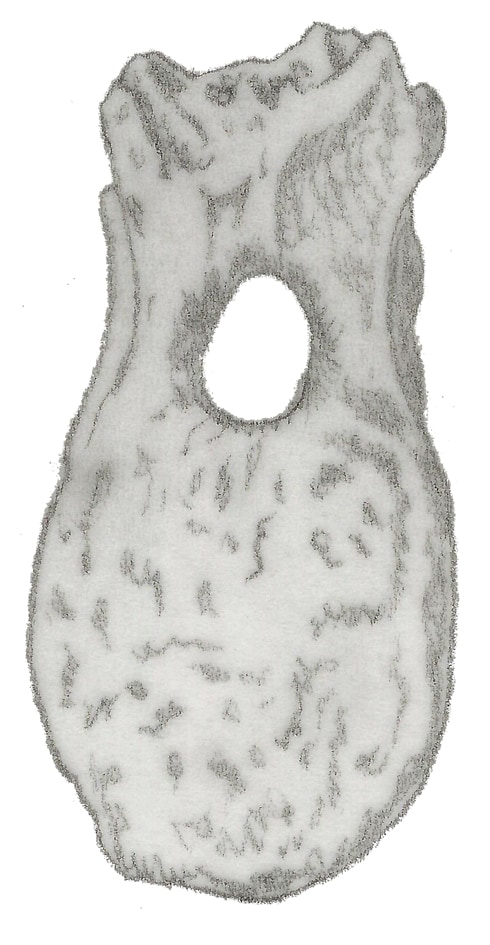
- Distinguished by its 'column' or 'pillar' shaped teeth.
- Known from fragmentary remains, including maxilla with teeth, vertebrae, and limb bones.
Bactrosaurus Kysylkumensis
North America, Asia
About Cionodon
Cionodon is a genus of hadrosaurid dinosaur that lived during the Late Cretaceous period. The name "Cionodon" itself is derived from Ancient Greek, meaning "column tooth," a descriptor referencing the unique shape of its teeth. Despite its descriptive name, Cionodon is considered a dubious genus, meaning its validity as a distinct taxonomic group is uncertain among paleontologists. This uncertainty stems from the fact that the fossils attributed to Cionodon are very fragmentary, making definitive identification and classification challenging.
History of Discovery and Naming
Edward Drinker Cope, a prominent American paleontologist, first described Cionodon in 1874. He identified the type species, Cionodon arctatus, based on a partial maxilla containing teeth, which was collected from the Denver Formation of Lodge Pole Creek, Colorado. Cope initially published the name as Cinodon arctatus in 1874 but corrected it to Cionodon the following year, explaining a printer's error. He further elaborated on the genus in 1875, noting that the material was found across nearby localities and also included vertebrae and limb bones. Cope also named a second species, Cionodon stenopsis, in 1875, based on teeth found in the Milk River valley of Alberta, Canada.
Classification and Fossil Evidence
Cionodon is classified within the Hadrosauridae family, commonly known as duck-billed dinosaurs. These dinosaurs were predominantly herbivores. However, the fragmentary nature of the fossil remains for Cionodon complicates its precise classification. For instance, Cionodon kysylkumensis, described by Riabinin in 1931 from Uzbekistan, has since been reclassified as Bactrosaurus kysylkumensis. The limited fossil evidence available for Cionodon species means that much about their physical characteristics, habitat, and behavior remains speculative. The genus is primarily known from dental material and isolated skeletal elements, which are insufficient to provide a comprehensive understanding of the animal.
Source: Wikipedia ↗
Frequently Asked Questions
What does the name Cionodon mean?
The name Cionodon is derived from Ancient Greek words. 'Kion' means 'column' or 'pillar', and 'odon' means 'tooth', referring to the distinctive shape of its teeth.
Why is Cionodon considered a dubious genus?
Cionodon is classified as a dubious genus because the fossil material attributed to it is very fragmentary. This limited evidence makes it difficult for paleontologists to definitively establish it as a unique and valid dinosaur group.
When did Cionodon live?
Cionodon lived during the Late Cretaceous period. This geological era spanned from approximately 100.5 million to 66 million years ago.
Where were Cionodon fossils found?
Fossils attributed to Cionodon have been discovered in different regions. The type species was found in Colorado, USA, and other described species originated from Uzbekistan and Alberta, Canada.
What kind of dinosaur was Cionodon?
Cionodon is thought to have been a hadrosaurid dinosaur, commonly known as duck-billed dinosaurs. Based on its classification and dental features, it is believed to have been an herbivore.
Who first described Cionodon?
The genus Cionodon was first described by the American paleontologist Edward Drinker Cope. He formally described the type species, Cionodon arctatus, in 1874.
Related Dinosaur species
Ceratops
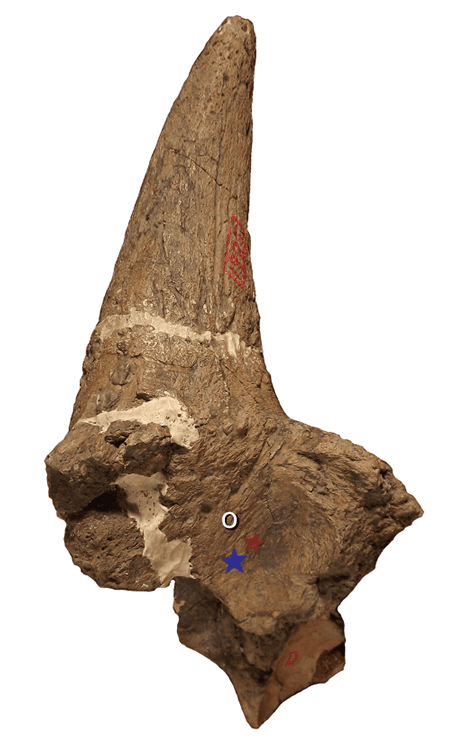
Ceratops is a dubious genus of herbivorous ceratopsian dinosaur from the Late Cretaceous period, known from fossils found in Montana's Judith River Formation. Despite its poorly understood nature, Ceratops holds historical significance as the type genus for both the Ceratopsia and Ceratopsidae groups. Its scientific name, meaning 'horn face,' reflects its most prominent feature.
Claosaurus
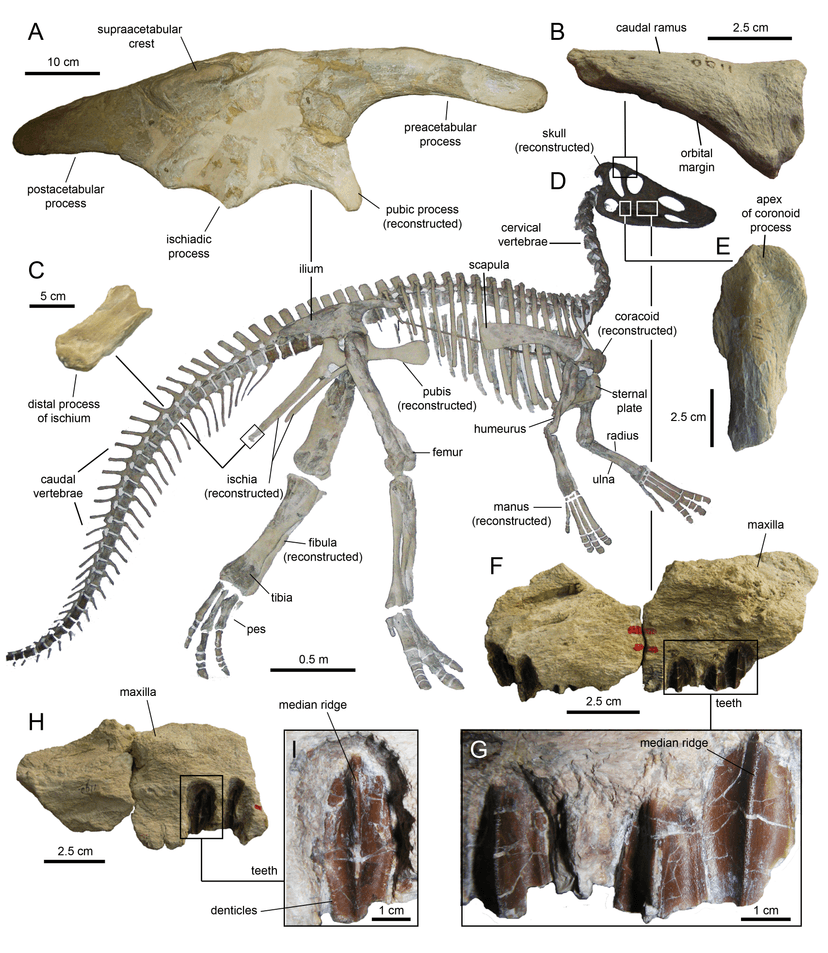
Claosaurus was a genus of hadrosauroid dinosaur that lived in North America during the Late Cretaceous Period. While once considered an early hadrosaurid, it is now understood to be the closest non-hadrosaurid relative to true hadrosaurids. Its name, meaning "broken lizard," refers to the fragmented state of its fossils.

Bisticeratops
Bisticeratops is a genus of chasmosaurine ceratopsian dinosaur that lived during the late Campanian age of the Late Cretaceous period. Its fossils have been discovered in the Kirtland Formation of northwestern New Mexico, United States. The genus is known from a nearly complete skull, which displays evidence of healed tyrannosaurid bite marks.