
Ceratops
Ceratops is a dubious genus of herbivorous ceratopsian dinosaur from the Late Cretaceous period, known from fossils found in Montana's Judith River Formation. Despite its poorly understood nature, Ceratops holds historical significance as the type genus for both the Ceratopsia and Ceratopsidae groups. Its scientific name, meaning 'horn face,' reflects its most prominent feature.
Key Facts
- ›Ceratops lived during the Late Cretaceous period.
- ›Its fossils were discovered in the Judith River Formation of Montana.
- ›It is the type genus for the dinosaur groups Ceratopsia and Ceratopsidae.
- ›The scientific name "Ceratops" means 'horn face' in Greek.
- ›Ceratops is considered a dubious genus (nomen dubium) due to limited fossil material.
- ›Like other ceratopsians, it was a herbivore.
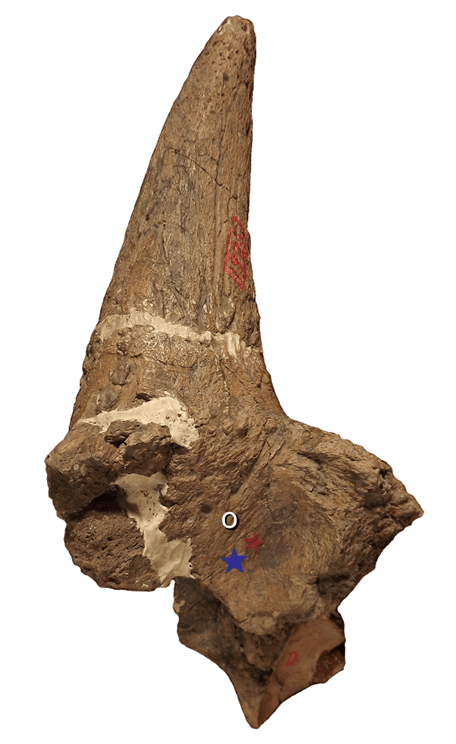
- Possessed horn cores.
- Likely had a beak for biting plant material.
- Original illustrations suggested horns on the back of the head and horizontal plates.
Avaceratops, Albertaceratops, Medusaceratops, Triceratops, Chasmosaurus, Eoceratops
North America
About Ceratops
Ceratops: The "Horn Face" Dinosaur
Ceratops is a genus of herbivorous ceratopsian dinosaur that roamed during the Late Cretaceous period. Its fossils have been unearthed in the Judith River Formation of Montana. While the fossil material is scarce and has led to its classification as a dubious genus (nomen dubium), Ceratops holds considerable historical importance. It serves as the type genus for two significant dinosaur groups: Ceratopsia and Ceratopsidae, meaning that the very nomenclature of these larger classifications is rooted in this dinosaur's name.
Discovery and Naming
The initial remains attributed to Ceratops were discovered in the late summer of 1888 by John Bell Hatcher near Cow Creek, Montana. Professor Othniel Charles Marsh named the type species, Ceratops montanus, in the same year. The generic name itself is derived from Greek words meaning 'horn face,' referring to its most distinctive inferred feature. Marsh's initial conception of Ceratops was quite different from modern understanding; he envisioned it as being similar to Stegosaurus but with two horns on its head, a considerable body length, back plates, and being bipedal.
Classification and Diet
Ceratops was placed within the Ceratopsidae family by Marsh in 1888, placing it within the broader Ceratopsia group. These were a collection of herbivorous dinosaurs characterized by parrot-like beaks, which flourished across North America and Asia by the end of the Cretaceous period, approximately 66 million years ago. Like all ceratopsians, Ceratops was a herbivore, equipped with a beak for cropping vegetation and tooth batteries for processing plant matter.
Challenges and Legacy
Over time, new fossil discoveries made it increasingly difficult to differentiate the limited remains of Ceratops from other closely related forms. This ongoing challenge has contributed to its status as a nomen dubium. Despite this uncertainty, researchers continue to investigate potential new finds that might shed light on Ceratops, acknowledging its foundational role in the study of ceratopsian dinosaurs.
Source: Wikipedia ↗
Frequently Asked Questions
What does the name Ceratops mean?
The name Ceratops comes from the Greek words 'keras,' meaning 'horn,' and 'ops,' meaning 'face.' Thus, it translates to 'horn face.'
Where were Ceratops fossils found?
Fossils attributed to Ceratops have been discovered in the Judith River Formation in Montana, specifically near the Cow Creek.
When did Ceratops live?
Ceratops lived during the Late Cretaceous geological period.
Why is Ceratops considered a dubious genus?
Ceratops is classified as a dubious genus (nomen dubium) because the fossil material assigned to it is too meager and poorly preserved to definitively distinguish it from other related species.
What is the significance of Ceratops in dinosaur classification?
Ceratops is historically important because it is the type genus from which the major dinosaur groups Ceratopsia and Ceratopsidae derive their names.
What did Ceratops eat?
As a ceratopsian, Ceratops was a herbivore. It used its beak to bite off plant material, which was then processed by its tooth batteries.
Related Dinosaur species

Aquilops
Aquilops is an early herbivorous ceratopsian dinosaur that lived in North America during the Early Cretaceous period, roughly 109 to 104 million years ago. Discovered in Montana, its partial skull provided insights into the early evolution of neoceratopsian dinosaurs. The name "Aquilops" combines Latin and Greek for "eagle face," referencing its distinctive beaked snout.
Aublysodon
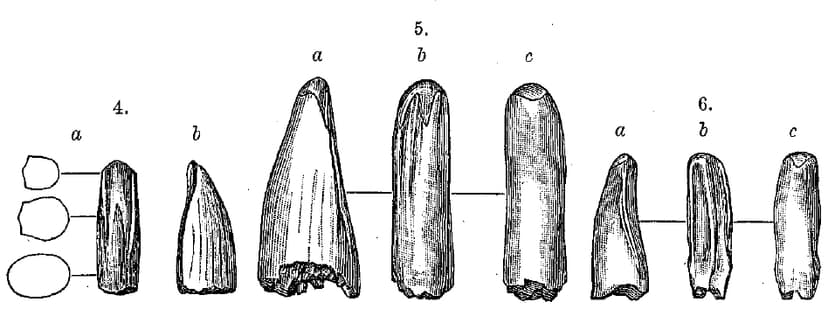
Aublysodon is a dubious genus of carnivorous dinosaurs known from isolated teeth discovered in the Judith River Formation of Montana, dating to the late Campanian stage of the Late Cretaceous period. The type species, Aublysodon mirandus, was named by Joseph Leidy in 1868, but its classification is uncertain as the primary fossil evidence is a single lost tooth. Similar teeth are often attributed to juvenile tyrannosaurids, potentially belonging to genera like Daspletosaurus.
Avisaurus
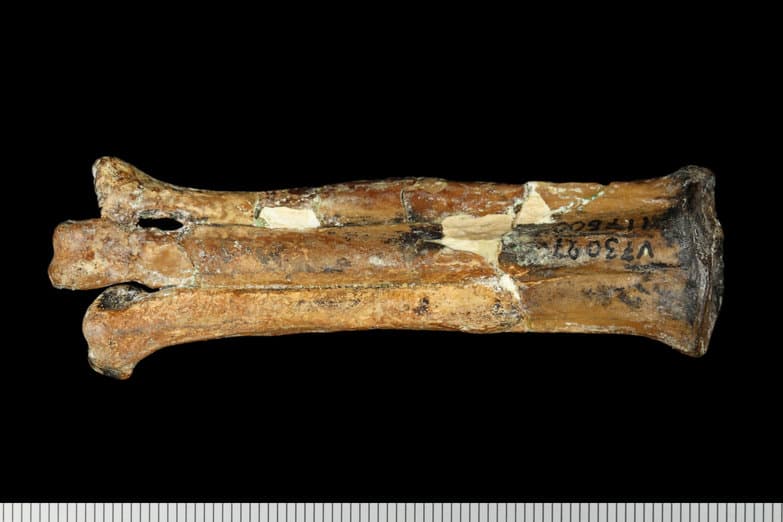
Avisaurus is a genus of enantiornithine avialans that lived in North America during the Late Cretaceous period. This "bird lizard" is known for its large size among enantiornithines and its predatory nature, with inwardly curved claws suggesting it preyed on small vertebrates.