
Compsosuchus
Compsosuchus is a dubious genus of theropod dinosaur from the Late Cretaceous of India. Its classification has been debated, with some studies suggesting it was an abelisaurid, while others have placed it as a noasaurid or an indeterminate abelisaurid. The genus is often considered a nomen dubium due to the limited fossil material.
Key Facts
- ›Compsosuchus means "elegant crocodile".
- ›It is a theropod dinosaur from the Late Cretaceous period.
- ›Fossils were discovered in the Lameta Formation of India.
- ›The genus is often considered a nomen dubium (dubious name).
- ›Its classification has varied, with suggestions of abelisaurid or noasaurid affinities.

- Based on limited remains, its exact physical characteristics are not fully known.
- The type specimen is an axis vertebra.
Carnotaurus, Indosaurus
India
About Compsosuchus
Compsosuchus is a genus of theropod dinosaur from the Late Cretaceous period, known from fossils discovered in the Lameta Formation of India. The name, meaning "elegant crocodile," was given to the genus by von Huene and Matley in 1933. However, Compsosuchus is often considered a nomen dubium, or a dubious name, due to the extremely limited nature of the fossil material available for study.
Discovery and Classification
The genus was based on remains found between 1917 and 1919. The type and only known specimen consists of an axis vertebra with an articulated axial intersection. Initially classified as an allosaurid by its describers and later by Molnar et al. in 1990 due to superficial similarities in the vertebrae, subsequent reviews have suggested different affiliations. A 2004 analysis proposed it was similar to members of the Abelisauridae family, such as Carnotaurus and Indosaurus. More recent studies have offered varying interpretations, with a 2011 study classifying it as a noasaurid, while a 2024 study identified it as an indeterminate abelisaurid. These ongoing debates highlight the challenges in definitively placing Compsosuchus within the theropod family tree based on the scant fossil evidence.
Source: Wikipedia ↗
Frequently Asked Questions
What does the name Compsosuchus mean?
The name Compsosuchus translates to "elegant crocodile". This name was given by von Huene and Matley in 1933.
When and where did Compsosuchus live?
Compsosuchus lived during the Late Cretaceous period. Its fossils have been found in the Lameta Formation of India.
What kind of dinosaur was Compsosuchus?
Compsosuchus was a theropod dinosaur. Its specific classification has been debated, with potential links to abelisaurids and noasaurids.
Why is Compsosuchus often considered a dubious genus?
The genus Compsosuchus is frequently regarded as a nomen dubium, meaning a "dubious name." This is largely due to the limited nature of the fossil remains found.
What fossils were found for Compsosuchus?
The only known specimen is GSI K27/578, which consists of an axis vertebra with an articulated axial intersection. This limited material has contributed to classification debates.
Related Dinosaur species

Coeluroides
Coeluroides is an extinct genus of theropod dinosaur that inhabited India during the Late Cretaceous Period. Its existence is known solely through fossilized caudal vertebrae found in the Lameta Formation. While initially considered a dubious name due to limited remains, later analyses suggest it is likely a valid genus, potentially a synonym for Ornithomimoides.
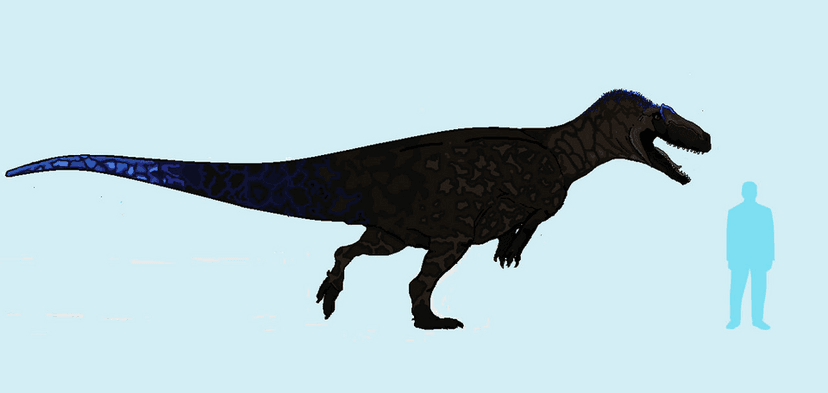
Dandakosaurus
Dandakosaurus is a dubious genus of theropod dinosaur from the Kota Formation in India, living during the Early Jurassic period. Due to limited fossil evidence, some paleontologists consider it a nomen dubium. Remains suggest it was a carnivore, but its exact classification and features remain uncertain.
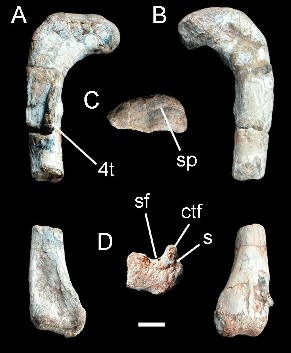
Alwalkeria
Alwalkeria is a genus of extinct avemetatarsalian from the Late Triassic of India. Originally described as a theropod dinosaur, subsequent research has revealed its fossil material to be chimaeric, belonging to multiple unrelated taxa. Its precise classification remains uncertain, with current interpretations placing it within Avemetatarsalia of indeterminate placement.