
Concavenator
Concavenator is a medium-sized carcharodontosaurid dinosaur that roamed Spain during the Early Cretaceous period, approximately 125 million years ago. Its most striking feature was a sail-like structure formed by unusually tall neural spines on its back, the function of which remains unknown. Fossil evidence also suggests the presence of quill-like structures on its arms, a trait typically associated with feathered theropods.
Key Facts
- ›Lived in Spain during the Early Cretaceous, about 125 million years ago.
- ›Reached an estimated length of 5-6 meters and a weight of 320-400 kg.
- ›Possessed unusually tall neural spines on its back, forming a sail-like structure or possible hump.
- ›Fossil evidence from its ulna suggests the presence of quill knobs, potentially indicating feather-like structures.
- ›Discovered at the Las Hoyas fossil site, known for exceptional fossil preservation.
- ›Belongs to the carcharodontosaurid family of theropod dinosaurs.
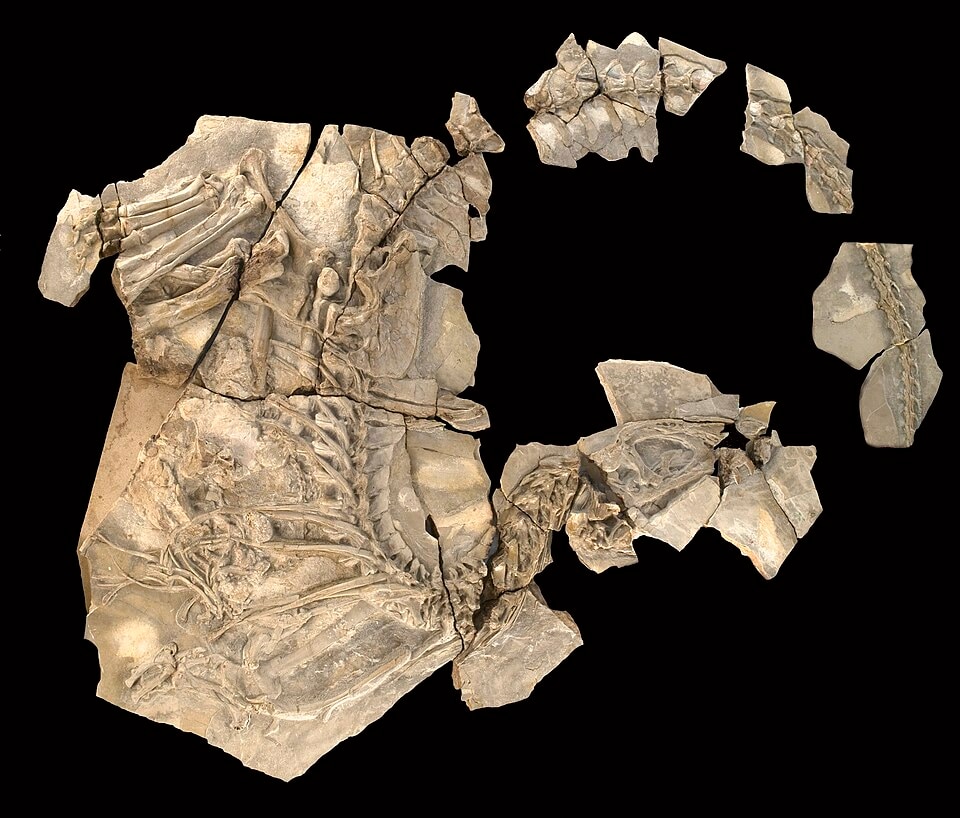
- Medium-sized theropod dinosaur
- Estimated length of 5-6 meters
- Estimated weight of 320-400 kg
- Tall, sail-like structure formed by elongated dorsal vertebrae
- Scale impressions on feet and tail
- Possible quill knobs on the ulna
Eocarcharia, Lajasvenator, Lusovenator, Allosaurus, Acrocanthosaurus
Spain
About Concavenator
Concavenator: The Cuenca Hunter
Concavenator, meaning "Cuenca hunter," is a genus of carcharodontosaurid dinosaur that lived in what is now Spain during the Early Cretaceous epoch, approximately 125 million years ago. The type species, Concavenator corcovatus, is known from a remarkably complete and articulated skeleton discovered at the Las Hoyas fossil site, a Konservat-Lagerstätten renowned for its exceptional preservation.
Size and Appearance
Concavenator was a medium-sized theropod, estimated to have reached lengths of 5 to 6 meters (16 to 20 feet) and weighed between 320 to 400 kilograms (710 to 880 pounds). Its most distinctive physical characteristic was the presence of unusually tall neural spines on the last few dorsal vertebrae, creating a sail-like structure or a prominent hump on its back. The precise function of this crest remains a subject of speculation, with possibilities including visual display or thermoregulation.
Integument and Controversy
Fossilized integument traces found on Concavenator have sparked scientific discussion. Impressions on the feet and tail show scales, including broad, rectangular scales on the tail's underside and bird-like scutes on the feet. More controversially, structures resembling quill knobs were observed on its ulna. These knobs are typically formed by ligaments attaching to feather follicles, leading some researchers to hypothesize that Concavenator may have possessed quill-like structures, potentially indicating an early evolution of such features within theropods. However, some experts have proposed that these bumps might represent intermuscular lines or tendon attachments, a point that has been debated and studied through reconstructions of the dinosaur's forearm musculature.
Source: Wikipedia ↗
Frequently Asked Questions
What does the name Concavenator mean?
The name Concavenator combines 'Conca', referring to the Cuenca Province in Spain where it was discovered, with the Latin word 'venator', meaning hunter. So, it means 'Cuenca hunter'.
How large was Concavenator?
Concavenator was a medium-sized dinosaur, estimated to be between 5 to 6 meters (16 to 20 feet) long and weighing between 320 to 400 kilograms (710 to 880 pounds).
What was the most distinctive feature of Concavenator?
Its most notable feature was the presence of two extremely tall vertebrae located just in front of its hips. These created a tall, narrow, pointed crest on its back, possibly supporting a hump.
What did Concavenator eat?
As a carcharodontosaurid theropod, Concavenator was a carnivore, preying on other animals.
Were there any signs of feathers on Concavenator?
Fossil evidence from its ulna showed structures resembling quill knobs, which are typically associated with feather attachment in birds and other feathered theropods. This suggests Concavenator may have possessed quill-like structures.
Where was Concavenator found?
The remains of Concavenator were discovered in the Las Hoyas fossil site in Cuenca Province, Spain. This site is known for yielding exceptionally well-preserved fossils.
Related Dinosaur species
Blasisaurus
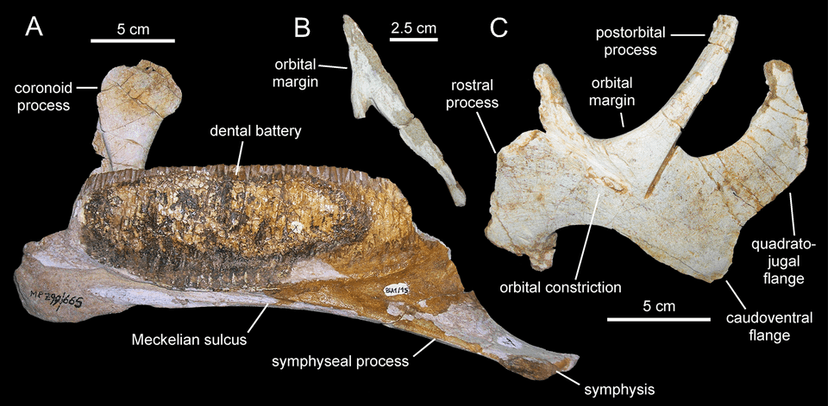
Blasisaurus is a genus of medium-sized lambeosaurine hadrosaurid dinosaur that lived during the Late Cretaceous period. Its fossils, including a partial skull and skeleton, were discovered in Spain. Blasisaurus is notable for its distinctive cheekbone projection and narrow, D-shaped lower temporal fenestra.
Altispinax
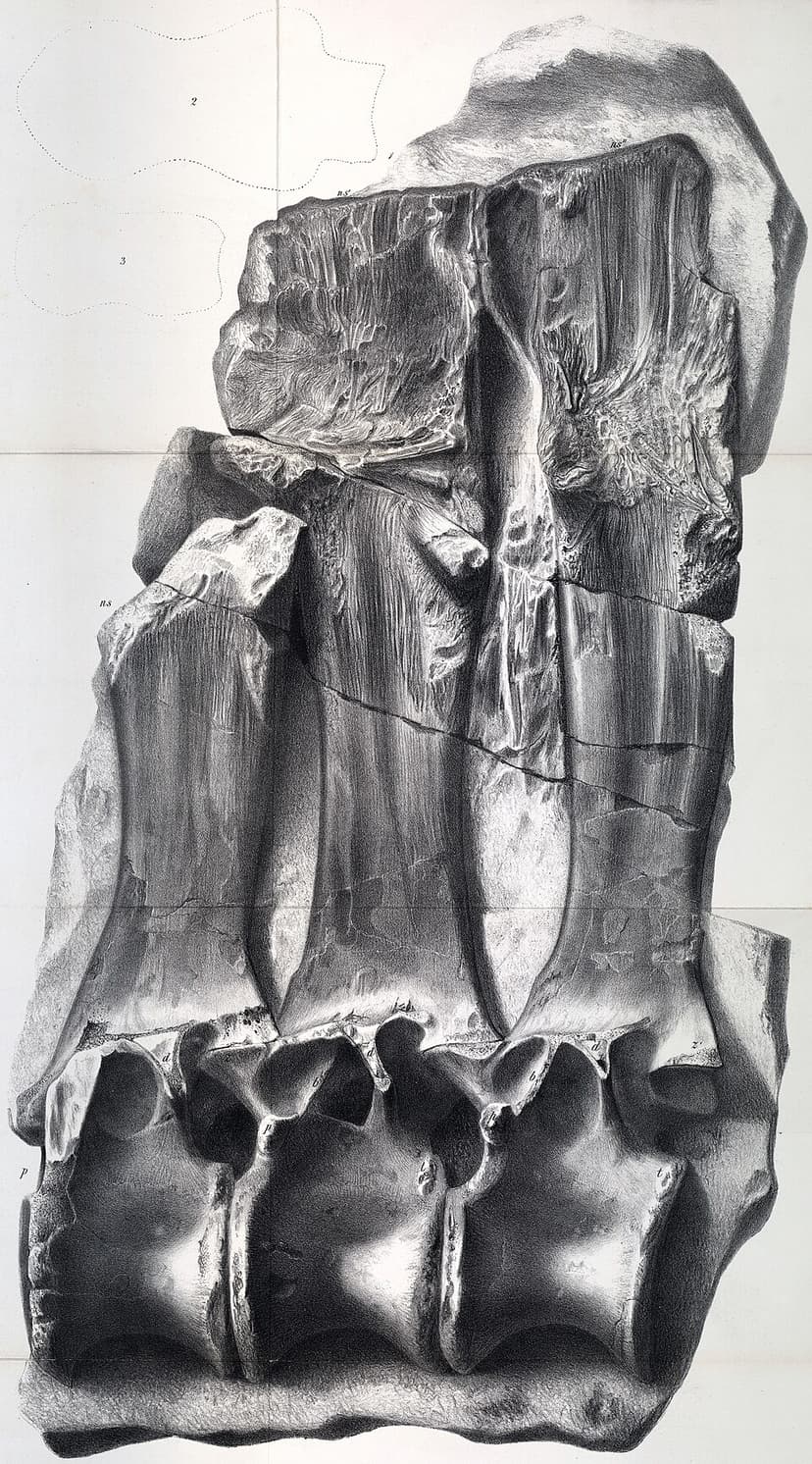
Altispinax was a large predatory theropod dinosaur that lived during the Early Cretaceous period in what is now England. It is known from a series of distinctive vertebrae featuring unusually tall spines, which gave the dinosaur its name. The classification and naming history of Altispinax have been complex, with several genera and species proposed over time.

Aratasaurus
Aratasaurus museunacionali is an extinct genus of basal coelurosaurian theropod dinosaur discovered in Brazil. Known from a partial right leg, it is the only tetrapod fossil found in the lower levels of the Romualdo Formation, dating to the Early Cretaceous period. The dinosaur's name commemorates its discovery during the preparation of fossils for the National Museum of Brazil, which was later damaged by a fire.