
Blasisaurus
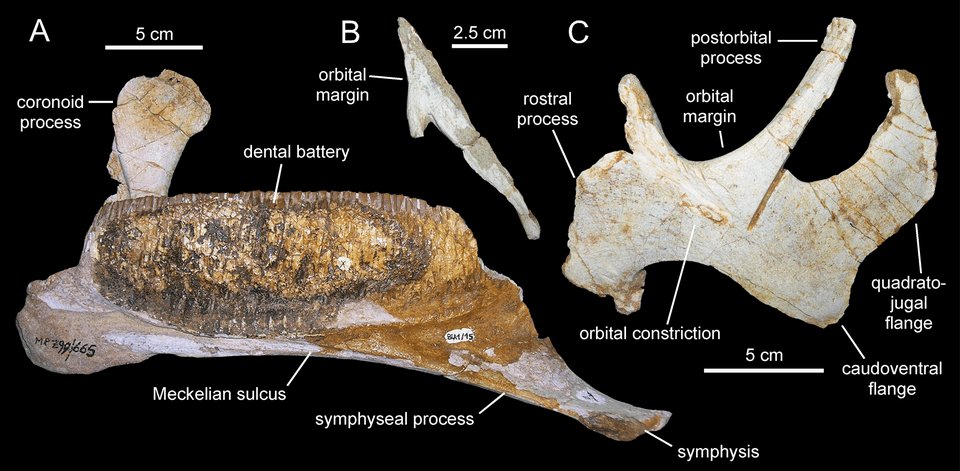
Blasisaurus is a genus of medium-sized lambeosaurine hadrosaurid dinosaur that lived during the Late Cretaceous period. Its fossils, including a partial skull and skeleton, were discovered in Spain. Blasisaurus is notable for its distinctive cheekbone projection and narrow, D-shaped lower temporal fenestra.
Key Facts
- ›Blasisaurus is a hadrosaurid dinosaur from the Late Cretaceous.
- ›Fossils were found in late Maastrichtian-age rocks in Spain.
- ›It possessed a characteristic hook-shaped upper edge on its rear cheekbone projection.
- ›The lower temporal fenestra of Blasisaurus is described as narrow and D-shaped.
- ›It is closely related to Arenysaurus, with both species forming the tribe Arenysaurini.
- ›Blasisaurus provides evidence for land bridge migrations of hadrosaurids between Asia and Europe.
- Medium-sized ornithopod
- Partial skull and skeleton
- Rear projection of cheekbone with a hook-shaped upper edge
- Narrow and D-shaped lower temporal fenestra
Arenysaurus
Europe
About Blasisaurus
Blasisaurus is a genus of medium-sized lambeosaurine hadrosaurid dinosaur that roamed the Earth during the Late Cretaceous period. Its existence is known from a partial skull and skeleton discovered in Spain, within rocks dating to the late Maastrichtian stage, approximately 66 million years ago. The scientific name, Blasisaurus, is derived from the Blasi 1 site where its fossil remains were unearthed, while the specific epithet, canudoi, pays tribute to paleontologist José Ignacio Canudo.
Description and Distinguishing Features
Paleontologists have identified two key features that distinguish Blasisaurus. Its cheekbone possesses a rear projection that terminates in a hook-shaped upper edge. Furthermore, the lower temporal fenestra, an opening in the skull, is described as being narrow and D-shaped. These anatomical details help differentiate it from other closely related dinosaur species.
Phylogeny and Evolutionary Significance
Blasisaurus holds a significant place in understanding hadrosaurid evolution and migration patterns. Cladistic analysis has positioned Blasisaurus as the sister taxon to Arenysaurus, with both genera forming a tribe known as the Arenysaurini. This grouping suggests a more derived evolutionary position compared to genera like Tsintaosaurus and Jaxartosaurus. The presence of Blasisaurus and Arenysaurus in Europe supports the hypothesis that different hadrosaurid groups migrated between Asia and Europe across land bridges during the Late Cretaceous. The precise placement of Blasisaurus and Arenysaurus within the Lambeosaurinae subfamily is a subject of ongoing scientific discussion, with some researchers placing them in the Lambeosaurini tribe and others in the Parasaurolophini tribe.
Source: Wikipedia ↗
Frequently Asked Questions
What is Blasisaurus?
Blasisaurus is a genus of medium-sized lambeosaurine hadrosaurid dinosaur. It lived during the Late Cretaceous period and is known from fossils found in Spain.
When did Blasisaurus live?
Blasisaurus lived during the Late Cretaceous period, specifically in rocks dating from the upper Maastrichtian stage, approximately 66 million years ago.
Where were Blasisaurus fossils found?
The fossils of Blasisaurus were discovered in Spain, within layers of the Arén Formation, a site known as Blasi 1.
What are the distinctive features of Blasisaurus?
Blasisaurus is characterized by a rear projection of its cheekbone with a hook-shaped upper edge. Additionally, it had a narrow and D-shaped lower temporal fenestra.
What other dinosaurs are related to Blasisaurus?
Blasisaurus is closely related to Arenysaurus, with which it forms a tribe called Arenysaurini. Both are considered part of the lambeosaurine hadrosaurids.
What does the name Blasisaurus mean?
The generic name Blasisaurus refers to the Blasi 1 site where its fossil remains were discovered. The specific epithet, canudoi, honors paleontologist José Ignacio Canudo.
Related Dinosaur species
Concavenator
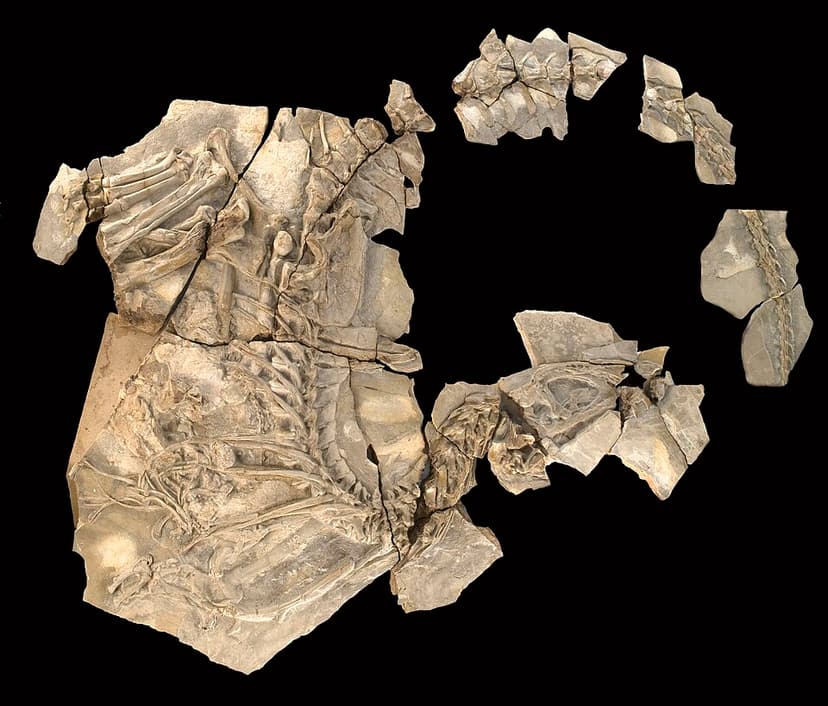
Concavenator is a medium-sized carcharodontosaurid dinosaur that roamed Spain during the Early Cretaceous period, approximately 125 million years ago. Its most striking feature was a sail-like structure formed by unusually tall neural spines on its back, the function of which remains unknown. Fossil evidence also suggests the presence of quill-like structures on its arms, a trait typically associated with feathered theropods.
Acrotholus
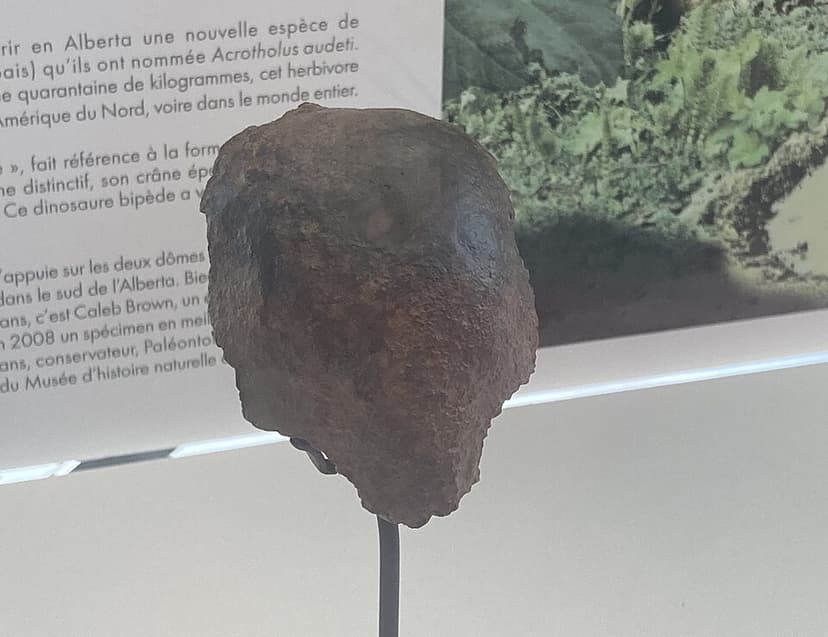
Acrotholus is an extinct genus of pachycephalosaurian dinosaur that lived during the Santonian stage of the Late Cretaceous period in what is now Canada. It is notable for being one of the earliest known members of the pachycephalosaur family with a well-developed, dome-shaped skull. Acrotholus was a bipedal herbivore whose cranial dome has been theorized to have been used for intraspecies combat or display.

Adelolophus
Adelolophus is a genus of lambeosaurine dinosaur, a type of "duck-bill" known for its cranial crests, that lived during the Late Cretaceous period in what is now Utah, USA. The only known species, *Adelolophus hutchisoni*, is represented by a partial maxilla (upper jaw bone). It is significant as the oldest known lambeosaur remains from North America and a member of the Parasaurolophini tribe, indicating a close relationship with dinosaurs like Parasaurolophus.