
Corythosaurus
Herbivore·Late Cretaceous·Western North America (Alberta, Canada)·Facultative Biped
Corythosaurus was a genus of hadrosaurid dinosaur that lived in western North America during the Late Cretaceous period. Known for its distinctive, helmet-like crest, this "duck-billed" dinosaur likely used its crest for vocalization, amplifying sounds through internal chambers. It was a herbivore, feeding on a variety of plant matter.
Key Facts
- ›Lived approximately 77–75.7 million years ago during the Late Cretaceous.
- ›Named 'helmeted lizard' due to its prominent cranial crest.
- ›The crest likely served as a resonating chamber for vocalizations.
- ›Possessed broad, duck-like bills for processing plant material.
- ›Known from numerous well-preserved specimens, including skin impressions.

- Possessed a tall, helmet-like cranial crest formed by nasal and frontal bones.
- Had a broad, duck-like bill.
- Estimated length of 7.7–9 meters.
- Skull height, including crest, up to 70.8 cm.
- Skin impressions show polygonal tuberculate scales and shield-like scales.
Hypacrosaurus, Lambeosaurus, Velafrons, Nipponosaurus, Olorotitan
North America
About Corythosaurus
Corythosaurus, meaning "helmeted lizard," was a genus of hadrosaurid dinosaur that roamed western North America during the Late Cretaceous period, approximately 77 to 75.7 million years ago. Belonging to the group of "duck-billed" dinosaurs, Corythosaurus is most famously recognized for its large, elaborate cranial crest, which resembled a Corinthian helmet or a cassowary's casque. This distinctive feature is thought to have played a crucial role in vocalization, with internal chambers amplifying sounds for communication.
Discovery and Classification
The first specimen of Corythosaurus was discovered in 1911 by Barnum Brown in Alberta, Canada. Brown formally named and described the genus in 1914. The holotype specimen was notably preserved with impressions of its skin, providing valuable insights into its integument. Corythosaurus is classified as a lambeosaurine hadrosaurid, placing it in close relation to other crested duck-billed dinosaurs such as Lambeosaurus, Hypacrosaurus, and Olorotitan. While several species were once recognized, only Corythosaurus casuarius is currently considered valid by most paleontologists, though Corythosaurus intermedius is sometimes accepted.
Physical Characteristics and Paleobiology
Corythosaurus typically measured between 7.7 and 9 meters (25 to 30 feet) in length, with an estimated weight of 2.5 to 3.8 metric tons. Its skull, including the crest, could reach a height of nearly 71 centimeters. The crest itself was composed of fused nasal, prefrontal, and frontal bones and contained complex nasal passageways. These passages are believed to have allowed Corythosaurus to produce loud, low-pitched calls, possibly for warning signals or mating rituals, much like a trombone. Like other hadrosaurids, Corythosaurus possessed a broad, beak-like mouth adapted for cropping vegetation. Its diet consisted of plant matter, including conifer needles, seeds, twigs, and fruits, as evidenced by fossilized gut contents. Skin impressions reveal the presence of polygonal tuberculate scales and shield-like scales, indicating a scaly hide rather than feathers. Evidence suggests Corythosaurus may have been cathemeral, active intermittently throughout the day and night.
Source: Wikipedia ↗
Frequently Asked Questions
What does the name Corythosaurus mean?
The name Corythosaurus is derived from the Greek words 'korythos,' meaning 'helmet,' and 'sauros,' meaning 'lizard.' It translates to 'helmeted lizard,' referencing the dinosaur's distinctive cranial crest.
What did Corythosaurus eat?
Fossil evidence, including the contents of a last meal found in a specimen's chest cavity, suggests Corythosaurus was a herbivore. Its diet likely consisted of conifer needles, seeds, twigs, and fruits.
What was the function of the Corythosaurus crest?
The elaborate crest of Corythosaurus is believed to have served primarily for vocalization. Sound waves would have traveled through its internal chambers, amplifying sounds for communication, such as warnings or attracting mates.
Where were Corythosaurus fossils found?
Fossils of Corythosaurus have been discovered in what is now western North America, specifically within the Dinosaur Park Formation in Alberta, Canada.
How large was Corythosaurus?
Corythosaurus is estimated to have reached lengths of 7.7 to 9 meters (25 to 30 feet). Its weight has been estimated at around 2.5 to 3.8 metric tons.
What other dinosaurs lived alongside Corythosaurus?
Corythosaurus co-existed with a variety of other dinosaurs, including theropods like Daspletosaurus, and other ornithischians such as Brachylophusaurus, Parasaurolophus, Scolosaurus, and Chasmosaurus.
Related Dinosaur species

Amurosaurus
Amurosaurus was a genus of lambeosaurine hadrosaurid dinosaur that lived in what is now eastern Asia during the Late Cretaceous period, approximately 70 to 66 million years ago. Named "Amur lizard," its remains were discovered near the Amur River, which forms the border between Russia and China. This herbivorous dinosaur is estimated to have been about 8 meters long and weighed around 3 metric tons.
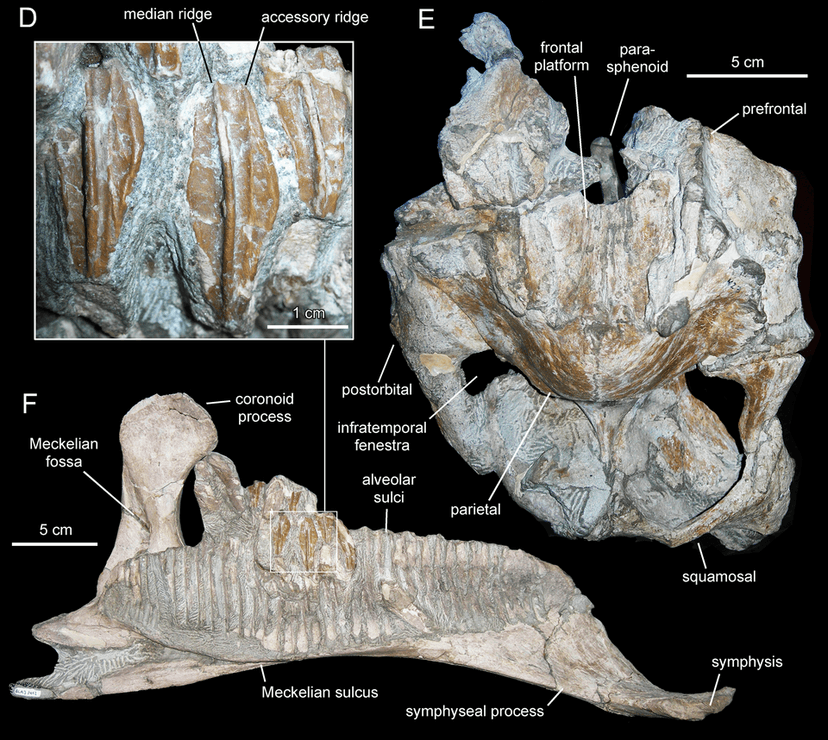
Arenysaurus
Arenysaurus is a genus of hadrosaurid dinosaur that lived during the Late Cretaceous period, approximately 66 million years ago. It was one of the last non-avian dinosaurs, becoming extinct during the Cretaceous–Paleogene extinction event. Fossils of Arenysaurus have been discovered in the Tremp Formation of the Pyrenees Mountains in Spain.

Augustynolophus
Augustynolophus is an extinct genus of herbivorous saurolophine hadrosaurid dinosaur that lived in what is now California during the late Maastrichtian age, making it one of the last non-avian dinosaurs before the Cretaceous–Paleogene extinction event. It was a large hadrosaur, estimated to be 8 meters (26 ft) long and weigh 3 metric tons (3.3 short tons), and was specialized for chewing its plant-based diet.