
Diplotomodon
Carnivore·Late Cretaceous·New Jersey, USA·Bipedal
Diplotomodon is a dubious genus of theropod dinosaur from New Jersey, possibly belonging to the Tyrannosauroidea. It is known only from a single tooth found in Late Cretaceous marine deposits. The tooth's unique shape has led to various interpretations of the animal's identity throughout history.
Key Facts
- ›Known only from a single tooth, holotype ANSP 9680.
- ›Discovered in marine deposits in New Jersey.
- ›Lived during the Maastrichtian stage of the Late Cretaceous period.
- ›Originally described as a marine reptile, later reinterpreted as a dinosaur.
- ›Generally considered a nomen dubium (dubious name) by paleontologists.
- ›The tooth is broad, flat, symmetrical, and not recurved.
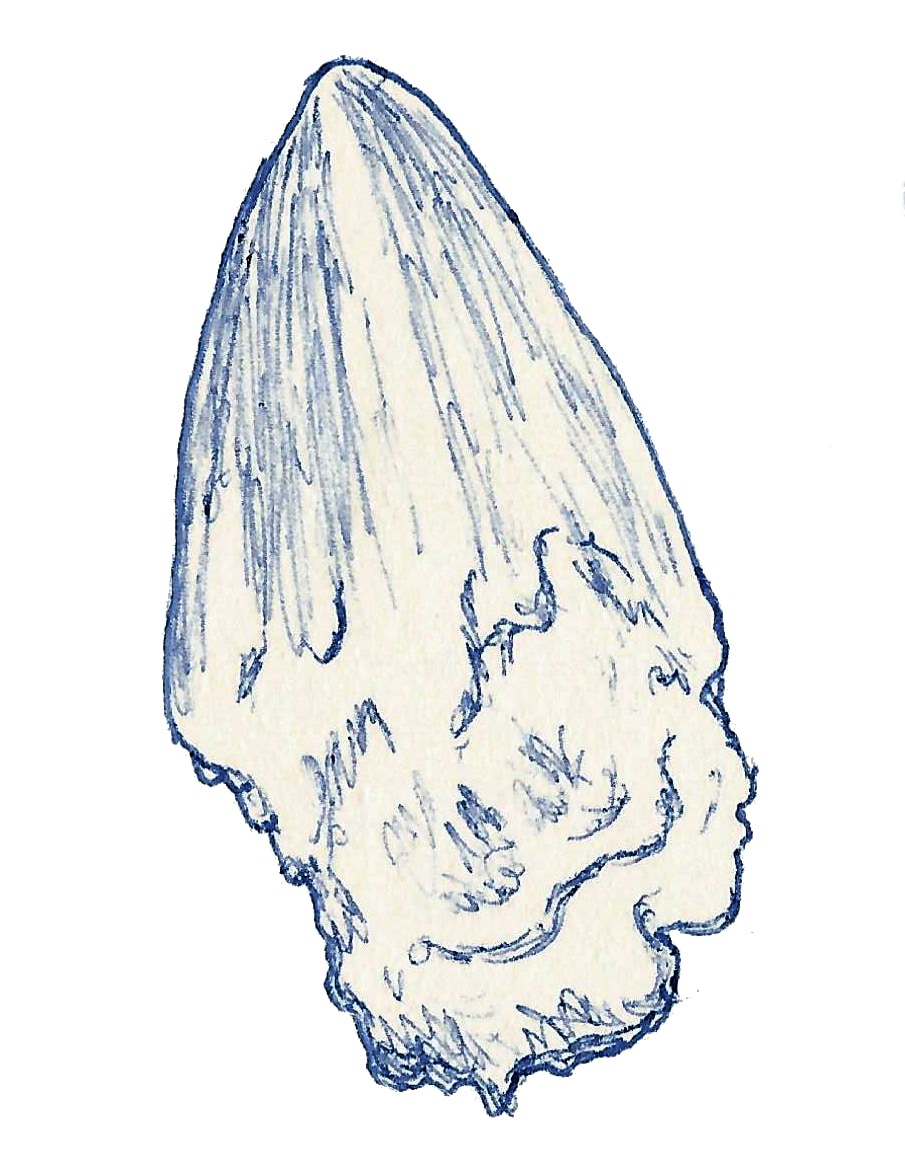
- Known only from a single tooth.
- The tooth is approximately three inches long.
- The tooth is very broad, flat, and symmetrical.
- The tooth is not recurved.
Dryptosaurus
North America
About Diplotomodon
Diplotomodon is a genus of theropod dinosaur that is considered dubious by paleontologists. Its existence is known solely from a single fossilized tooth discovered in New Jersey. This tooth, designated ANSP 9680, was found in marine deposits that date back to the Maastrichtian stage of the Late Cretaceous period.
History of Discovery and Classification
Initially described by Joseph Leidy in 1865 as Tomodon horrificus, the tooth was thought to belong to a carnivorous marine reptile, possibly a plesiosaur. The generic name Tomodon was later found to be preoccupied by a genus of snakes. Leidy subsequently renamed it Diplotomodon in 1868, adding the Greek prefix diploos meaning "double," and at that time suggested it might be a fish. Over time, interpretations of its identity shifted. Edward Drinker Cope proposed in 1870 that it was a carnivorous dinosaur. Later, in 1990, Ralph Molnar suggested it might be a synonym of the tyrannosauroid dinosaur Dryptosaurus. However, Halsey Wilkinson Miller in 1955 classified it as a mosasaur, and David Weishampel in 2006 considered it an indeterminate member of the Tetanurae. Today, Diplotomodon is widely regarded as a nomen dubium due to the scarcity of fossil material.
Physical Characteristics and Diet
The sole known fossil of Diplotomodon is a tooth measuring approximately three inches in length. This tooth is described as being very broad, flat, and symmetrical, with a notable lack of curvature. Its "cutting tooth" nature, combined with its classification as a theropod dinosaur, suggests that Diplotomodon was likely a carnivore. The limited fossil evidence prevents detailed analysis of its overall size, weight, or other physical attributes.
Source: Wikipedia ↗
Frequently Asked Questions
What does Diplotomodon mean?
The name Diplotomodon means "double cutting tooth". It was derived from Greek words referring to its double-edged or cutting nature.
Where was Diplotomodon found?
Fossils of Diplotomodon were found in New Jersey, specifically near Mullica Hill in marine deposits.
What period did Diplotomodon live in?
Diplotomodon lived during the Maastrichtian stage of the Late Cretaceous period.
What did Diplotomodon eat?
Based on the tooth's description as a "cutting tooth" and its reassessment as a dinosaur, it is believed to have been a carnivore.
Is Diplotomodon a valid dinosaur genus?
Diplotomodon is generally considered a nomen dubium, meaning it is a dubious name. This is because it is only known from a single tooth, making definitive classification difficult.
Related Dinosaur species
Bicentenaria
Bicentenaria argentina was a small, bipedal carnivorous dinosaur that lived during the early Late Cretaceous period in what is now Argentina. Its scientific name commemorates the 200th anniversary of Argentina's May Revolution. Discovered in the Candeleros Formation, its fossils include skull fragments, vertebrae, limb bones, and claws.

Achillobator
Achillobator was a large, heavily-built dromaeosaurid theropod dinosaur that inhabited Mongolia during the Late Cretaceous period. It is distinguished by its robust skeleton, deep maxilla, and primitive pelvis, contrasting with the generally lighter build of other dromaeosaurids. This predator likely hunted large prey using its enlarged sickle claw.

Acheroraptor
Acheroraptor is an extinct genus of dromaeosaurid theropod dinosaur that lived in North America during the Late Cretaceous period. It is known from fossil remains discovered in the Hell Creek Formation of Montana, United States. Acheroraptor is notable for being one of the geologically youngest dromaeosaurids, existing just before the Cretaceous-Paleogene extinction event.