
Dracoraptor
Carnivore·Early Jurassic·Wales, United Kingdom·Bipedal
Dracoraptor is a genus of early theropod dinosaur that lived during the Hettangian stage of the Early Jurassic Period, approximately 201 million years ago. Its fossils were discovered in Wales, making it one of the oldest known Jurassic dinosaurs and the first from the Jurassic of Wales. The name "Dracoraptor" means "dragon thief," referencing the Welsh dragon and its predatory nature.
Key Facts
- ›Dracoraptor lived during the Hettangian stage of the Early Jurassic Period.
- ›Its fossils were discovered in the Blue Lias Formation on the South Wales coast, UK.
- ›It is one of the oldest known Jurassic dinosaurs and the first from the Jurassic of Wales.
- ›Dracoraptor was a bipedal theropod dinosaur.
- ›Its pointed and serrated teeth indicate a diet of small vertebrate animals.
- ›The genus name "Dracoraptor" means "dragon thief."
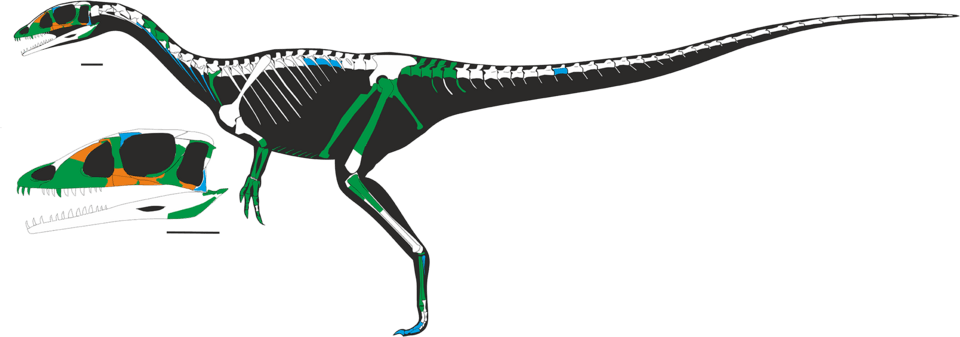
- Bipedal locomotion.
- Pointed and serrated teeth.
- Juvenile length of 2.1 meters and hip height of 70 cm.
- Estimated adult length of up to 3 meters.
- Elongated neck vertebrae with low neural spines.
- Tail vertebrae with two parallel keels on the undersides.
- Presence of a furcula.
Coelophysoidea, Neotheropoda
United Kingdom
About Dracoraptor
Dracoraptor is a genus of early theropod dinosaur that roamed the Earth during the Hettangian stage of the Early Jurassic Period, approximately 201 million years ago. This remarkable discovery was made in Wales, making Dracoraptor one of the oldest known dinosaurs from the Jurassic Period and the very first dinosaur skeleton unearthed from the Jurassic of Wales. The name "Dracoraptor" translates to "dragon thief," a fitting moniker that acknowledges the Welsh dragon and the dinosaur's predatory nature.
Discovery and Naming
The initial fossils of Dracoraptor were found in 2014 by amateur paleontologists Rob and Nick Hanigan, along with Sam Davies, at the Blue Lias Formation on the South Wales coast. The discovery occurred near Penarth, where stone plates containing dinosaur remains had fallen from a cliff face. These fossils were later studied and prepared by researchers from the University of Manchester and Amgueddfa Cymru – Museum Wales. The type species, Dracoraptor hanigani, was formally named and described in 2016 by a team of British paleontologists. The specific epithet "hanigani" honors the brothers who discovered the remains.
Physical Characteristics and Classification
Dracoraptor was a bipedal dinosaur. The known fossil is of a juvenile, measuring 2.1 meters (6.9 ft) in length with a hip height of 70 centimeters (28 in); adult specimens are estimated to have reached lengths of up to 3 meters (9.8 ft). Distinguishing features include pointed, serrated teeth, elongated neck vertebrae, and tail vertebrae with unique keels. A furcula, or wishbone, was also present, a feature rarely found in early theropod fossils. Cladistic analysis has placed Dracoraptor as a basal member of the Neotheropoda, positioning it very low on the evolutionary tree and making it the basalmost known coelophysoid.
Paleobiology and Habitat
The pointed and serrated teeth of Dracoraptor clearly indicate a carnivorous diet, likely consisting of small vertebrate animals given the size of its teeth. Its small size and long legs would have enabled it to run at high speeds, allowing it to capture prey that might be too fast for larger predators. During the Early Jurassic, the region now known as South Wales was a coastal environment with a warm, shallow sea dotted with small islands. It is theorized that the Dracoraptor carcass may have washed into the sea from the land to the north, leading to its preservation in what is now offshore deposits. Tentative illustrations depict Dracoraptor as a shore-dwelling predator and scavenger.
Dracoraptor plays a significant role in understanding dinosaur evolution, as it helps fill gaps in knowledge about the dinosaurs that survived the Triassic-Jurassic extinction event and went on to diversify throughout the Jurassic period. Its discovery highlights the ongoing potential for new and significant dinosaur finds in regions previously considered less fruitful for such discoveries.
Source: Wikipedia ↗
Frequently Asked Questions
When did Dracoraptor live?
Dracoraptor lived during the Hettangian stage of the Early Jurassic Period, approximately 201 million years ago. This makes it one of the earliest known dinosaurs from the Jurassic period.
Where were Dracoraptor fossils found?
The first Dracoraptor fossils were discovered in 2014 on the South Wales coast, specifically at the Blue Lias Formation near Penarth and Lavernock Point. This discovery marked the first dinosaur skeleton found from the Jurassic period in Wales.
What does the name Dracoraptor mean?
The name Dracoraptor means "dragon thief." It is derived from the Latin word "draco," meaning "dragon" (a reference to the Welsh dragon), and "raptor," meaning "robber," a common suffix for theropod dinosaurs.
What did Dracoraptor eat?
Dracoraptor had pointed and serrated teeth, indicating it was a meat-eater. Its small teeth, about one centimeter long, suggest it preyed on small vertebrate animals.
How big was Dracoraptor?
The discovered fossil was of a juvenile that was 2.1 meters (6.9 ft) long with a hip height of 70 centimeters (28 in). Adult Dracoraptors may have reached lengths of up to 3 meters (9.8 ft).
What kind of dinosaur was Dracoraptor?
Dracoraptor was a basal member of the Neotheropoda, positioned low in the evolutionary tree. It is considered the basalmost coelophysoid, a group of theropod dinosaurs.
Related Dinosaur species

Cryolophosaurus
Cryolophosaurus is a genus of large theropod dinosaur from the Early Jurassic period of Antarctica. It was one of the largest theropods of its time, with estimated lengths between 6-7 meters and weights of 350-465 kilograms. A distinctive feature of Cryolophosaurus is its "pompadour" crest, a bony structure running across its head, believed to have been used for species recognition.

Berberosaurus
Berberosaurus is a genus of neotheropod dinosaur that lived during the Early Jurassic period in what is now Morocco. It is considered one of the oldest formally identified theropods from North Africa and may represent the earliest known ceratosaur. Berberosaurus is known from partial postcranial remains and is characterized by unique anatomical features in its vertebrae and hindlimb bones.
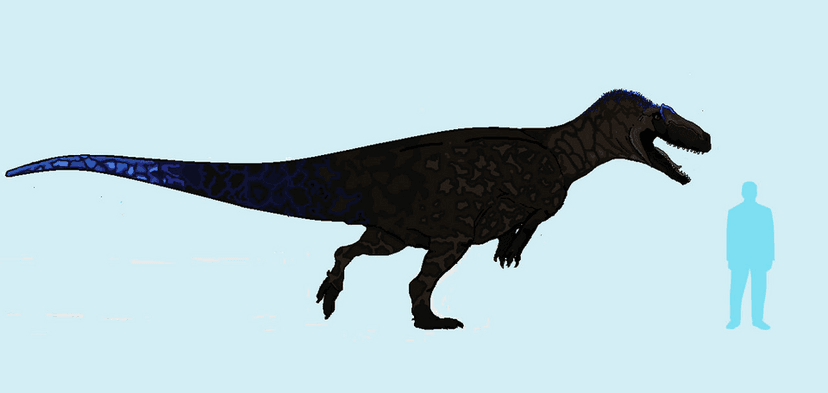
Dandakosaurus
Dandakosaurus is a dubious genus of theropod dinosaur from the Kota Formation in India, living during the Early Jurassic period. Due to limited fossil evidence, some paleontologists consider it a nomen dubium. Remains suggest it was a carnivore, but its exact classification and features remain uncertain.