
Dromaeosauroides
Carnivore·Early Cretaceous·Bornholm, Denmark·Bipedal
Dromaeosauroides is a genus of dromaeosaurid theropod dinosaur that lived during the Early Cretaceous period in what is now Denmark and possibly England. It is known from only two fossilized teeth, but these indicate it was a feathered, sickle-clawed predator similar to its relatives Dromaeosaurus and Deinonychus. Dromaeosauroides is significant as the first and only scientifically named dinosaur from Denmark and one of the oldest known dromaeosaurs globally.
Key Facts
- ›Dromaeosauroides lived during the Early Cretaceous period.
- ›It is known from two fossil teeth, discovered in Denmark.
- ›The genus name means "Dromaeosaurus-like", referring to tooth resemblance.
- ›Dromaeosauroides is estimated to have been 2 to 3 meters long and weighed around 40 kg.
- ›As a dromaeosaur, it was likely feathered and possessed a sickle claw on its feet.
- ›Its habitat was a coastal lagoon environment.
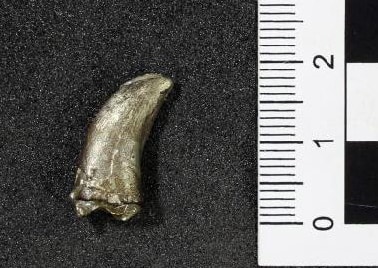
Feathered body, Large sickle claw on the second toe, Curved, finely serrated teeth, Estimated length of 2-3 meters, Estimated weight of 40 kg
Dromaeosaurus, Velociraptor, Deinonychus
Denmark, Possibly England
About Dromaeosauroides
Dromaeosauroides is a genus of dromaeosaurid theropod dinosaur that roamed the Earth during the Early Cretaceous period. Its fossil remains have been discovered in what is now Denmark, specifically on the island of Bornholm in the Baltic Sea, and potentially also in England. This dinosaur holds the distinction of being the first and only dinosaur species scientifically named from Danish territory, making it a significant find for paleontology.
Discovery and Naming
The existence of Dromaeosauroides is known from two fossilized teeth. The first tooth, designated as the holotype, was found in 2000, and a second tooth was discovered in 2008. These teeth were found in the Jydegaard Formation, which dates to the Berriasian to Valanginian ages of the Early Cretaceous. In 2003, the genus and species Dromaeosauroides bornholmensis was formally described and named by paleontologists Per Christiansen and Niels Bonde. The genus name reflects its resemblance to Dromaeosaurus, while the species name honors its discovery location on Bornholm.
Description and Characteristics
Dromaeosauroides is estimated to have been a relatively small theropod, measuring between 2 to 3 meters (7 to 10 ft) in length and weighing around 40 kilograms (88 lb). As a member of the dromaeosaurid family, it is believed to have been feathered. A hallmark of dromaeosaurs is the large, retractable sickle claw on the second toe of each foot, a feature likely possessed by Dromaeosauroides as well, used for hunting and climbing. The fossil teeth found are curved and finely serrated, consistent with a carnivorous diet.
Paleoenvironment and Significance
Fossils of Dromaeosauroides were found in sediments deposited in a coastal lagoon environment. Other fauna found in the same formation include fish, turtles, lizards, and even possible remains of sauropods. Dromaeosauroides is considered one of the oldest known dromaeosaurs globally and the first definitive dromaeosaurid from the Early Cretaceous of Europe. Its discovery has contributed significantly to understanding dinosaur distribution and diversity during this ancient period.
Source: Wikipedia ↗
Frequently Asked Questions
What is Dromaeosauroides?
Dromaeosauroides is a genus of dromaeosaurid theropod dinosaur from the Early Cretaceous. It is notable as the first and only scientifically named dinosaur discovered in Denmark.
When did Dromaeosauroides live?
Dromaeosauroides lived during the Early Cretaceous period, specifically from the Berriasian to the Valanginian ages, approximately 140 million years ago.
What does the name Dromaeosauroides mean?
The genus name Dromaeosauroides means 'Dromaeosaurus-like,' chosen because its fossil teeth closely resemble those of the genus Dromaeosaurus. The species name, bornholmensis, refers to the island of Bornholm where it was found.
How large was Dromaeosauroides?
Based on its teeth, Dromaeosauroides is estimated to have been between 2 to 3 meters (7 to 10 ft) in length and weighed about 40 kilograms (88 lb).
What did Dromaeosauroides eat?
As a dromaeosaurid theropod, Dromaeosauroides was a carnivore. Its diet likely consisted of smaller animals it could hunt in its coastal lagoon environment.
Where were the fossils of Dromaeosauroides found?
The fossils of Dromaeosauroides, specifically two teeth, were discovered in the Jydegaard Formation on the island of Bornholm in Denmark. Some teeth found in the United Kingdom may also belong to this animal.
What were the physical characteristics of Dromaeosauroides?
Dromaeosauroides was likely feathered and possessed a large sickle claw on its second toe, characteristic of dromaeosaurs. Its teeth were curved and finely serrated. It lived in a coastal lagoon environment.
Related Dinosaur species
Altispinax
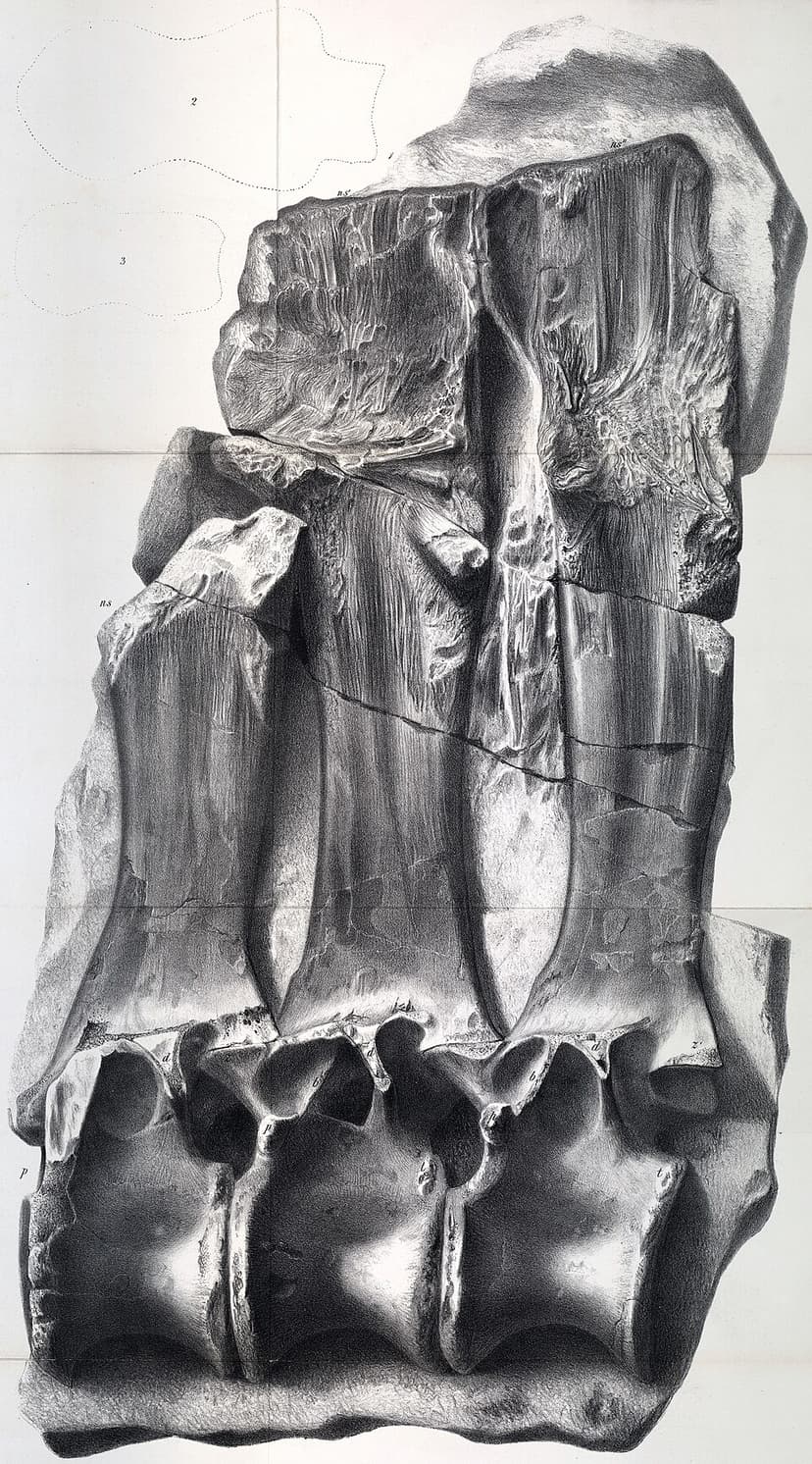
Altispinax was a large predatory theropod dinosaur that lived during the Early Cretaceous period in what is now England. It is known from a series of distinctive vertebrae featuring unusually tall spines, which gave the dinosaur its name. The classification and naming history of Altispinax have been complex, with several genera and species proposed over time.

Aratasaurus
Aratasaurus museunacionali is an extinct genus of basal coelurosaurian theropod dinosaur discovered in Brazil. Known from a partial right leg, it is the only tetrapod fossil found in the lower levels of the Romualdo Formation, dating to the Early Cretaceous period. The dinosaur's name commemorates its discovery during the preparation of fossils for the National Museum of Brazil, which was later damaged by a fire.

Aristosuchus
Aristosuchus was a small, bipedal, carnivorous theropod dinosaur that lived during the Early Cretaceous period. Its fossils were discovered on the Isle of Wight, England. Initially misidentified, it was later recognized as a distinct genus and is now generally placed within the Compsognathidae family.