
Anaxyrus boreas
The western toad (Anaxyrus boreas) is a large toad species native to western North America. It is characterized by a white or cream dorsal stripe, dusky gray or greenish coloring, and widely separated parotoid glands. This species is frequently encountered near water and can jump considerable distances, with breeding occurring between March and July.
Key Facts
- ›Has a distinctive white or cream dorsal stripe.
- ›Breeding occurs between March and July, with females laying up to 17,000 eggs in strings.
- ›Found in a variety of habitats from sea level to above treeline.
- ›Diet primarily consists of insects like bees, beetles, and ants, as well as arachnids.
- ›Produces skin toxins that deter many predators.

Western Toad, Boreal Toad
Riparian, Meadows, Forests, Woodlands, Savanna, Grasslands, Arid Zones
British Columbia, Alaska, Washington, Oregon, Idaho, Baja California, Montana, Wyoming, Nevada, Utah, Colorado, Yukon, Northwest Territories
Fish, Reptiles, Amphibians, Birds, Mammals, Common Ravens, Badgers
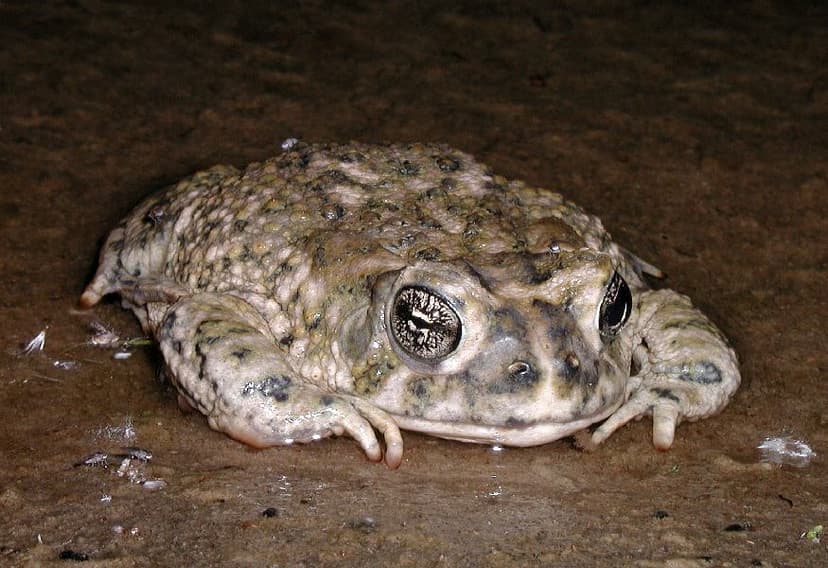
White Or Cream Dorsal Stripe, Widely Separated, Oval Parotoid Glands, Mottled Venter, Horizontal Pupils, Absence of Cranial Crests
About Anaxyrus boreas
Anaxyrus boreas: The Western Toad
The western toad, scientifically known as Anaxyrus boreas, is a prominent amphibian species native to the diverse landscapes of western North America. Frequently observed during wetter periods, it is known for its substantial size, typically ranging from 5.6 to 13 cm (2.2 to 5.1 inches) in snout-to-vent length. This species is distinguished by a prominent white or cream dorsal stripe, which contrasts with its dusky gray or greenish upper side, marked by concentrated skin glands within darker blotches. Its parotoid glands are notably large, oval, and widely separated, and it possesses horizontal pupils without cranial crests.
Habitat and Distribution
Anaxyrus boreas exhibits remarkable adaptability, inhabiting a wide spectrum of environments from sea level to elevations near or above the treeline, often reaching up to 10,000 feet. Its range extends from western British Columbia and southern Alaska southward through Washington, Oregon, and Idaho, down to northern Baja California, Mexico. Eastward, it is found in Montana, western and central Wyoming, Nevada, Utah, and western Colorado. Habitats include aspen groves, riparian forests, mountain meadows, and less commonly, coniferous forests. In California, optimal conditions are found in wet or dry mountain meadows, riparian areas with open water, oak savannas, and mixed conifer forests.
Life Cycle and Behavior
Western toads are active from January to October, depending on latitude and elevation, and hibernate during the winter months. Their activity patterns can be diurnal or nocturnal, often correlating with seasonal temperature changes; they tend to be diurnal in cooler spring and fall conditions and nocturnal during warmer summer months. Breeding takes place between March and July, with females capable of laying up to 17,000 eggs in gelatinous strings that attach to submerged vegetation or other objects in open water. The development of eggs and tadpoles is influenced by water temperature, with shallow water promoting faster development and offering some protection from predators. While generally terrestrial, they spend daylight hours in sheltered locations like under rocks or logs to avoid evaporative conditions, and can also utilize rodent burrows.
Diet and Defense
The diet of the western toad is primarily insectivorous, consisting of bees, beetles, ants, and arachnids, supplemented by other invertebrates such as crayfish, sow bugs, and grasshoppers. They are known to wait patiently for prey to come within striking distance. Like many toads, Anaxyrus boreas possesses skin toxins, which serve as a defense mechanism against a variety of predators, including common ravens, other birds, reptiles, amphibians, and mammals. Tadpoles are particularly vulnerable to aquatic predators like fish.
Conservation Status
The western toad is currently classified as a species of Least Concern by the IUCN, reflecting its widespread distribution and adaptability. However, ongoing concerns include the impact of diseases such as chytridiomycosis and environmental contamination. The overuse of urea as a fertilizer in some forested areas poses a threat, as dermal absorption of this chemical can lead to increased mortality in the species.
Source: Wikipedia ↗
Frequently Asked Questions
What is the scientific name for the western toad?
The scientific name for the western toad is Anaxyrus boreas. It was previously classified under the genus Bufo.
What does the western toad look like?
The western toad is a large toad with a white or cream dorsal stripe, dusky gray or greenish coloration dorsally, and widely separated oval parotoid glands. It has a mottled belly and horizontal pupils.
Where is the western toad found?
The western toad is native to western North America, with its range extending from western British Columbia and southern Alaska south through Washington, Oregon, and Idaho to northern Baja California, Mexico. It also extends east to Montana, Wyoming, Nevada, Utah, and western Colorado.
What is the habitat of the western toad?
Western toads inhabit a broad range of environments, including aspen groves, riparian forests, mountain meadows, and less commonly, Douglas fir forests. They can also be found in blue oak savanna, mixed conifer forests, and alpine meadows.
What do western toads eat?
The diet of the western toad primarily consists of insects such as bees, beetles, and ants, along with arachnids. They also consume other invertebrates like crayfish, sow bugs, and grasshoppers.
When does the western toad breed?
Breeding for the western toad typically occurs between March and July in mountainous areas, and as early as January in lower elevations. Females lay eggs in strings that adhere to vegetation.
What are the predators of the western toad?
Tadpoles are preyed upon by fish, reptiles, amphibians, birds, and mammals. Adult western toads are preyed upon by common ravens and likely other birds, reptiles, amphibians, and mammals. Badgers have also been known to consume them.
What is the conservation status of the western toad?
The western toad is currently listed as a species of least concern. However, concerns exist regarding the impact of diseases like chytridiomycosis and chemical contamination, particularly from urea fertilizer.
Related Frogs

Anaxyrus terrestris
The southern toad (Anaxyrus terrestris) is a large true toad found in the southeastern United States, commonly inhabiting areas with sandy soils. It is distinguished by knobs on its head and backward-pointing spurs, and its coloration can vary from brick red to mottled gray, brown, or black. This nocturnal species spends its days in burrows and is considered a generalist in its habitat preferences.

American toad
The American toad (Anaxyrus americanus) is a widespread amphibian found across eastern Canada and the United States. It is characterized by its variable coloration, which can range from yellow to brown to black, and its ability to change skin color based on environmental factors. This species is known for its distinctive trilling call during breeding season and its ability to hibernate through the winter.
Anaxyrus californicus
The arroyo toad (Anaxyrus californicus) is a species of true toad endemic to California, U.S., and Baja California, Mexico. It is characterized by its stocky build, warty skin, and distinctive horizontal pupils, and is recognized as an important indicator species for the health of its sandy wash habitats. Due to significant habitat destruction and other threats, it is currently classified as Endangered.