
Anaxyrus speciosus
The Texas toad (Anaxyrus speciosus) is a medium-sized toad found in the southern United States and northern Mexico. Distinctive for its breeding behavior in temporary pools after heavy rains, it is well-adapted to arid environments. This species is recognized for its "series of explosive trills" call, particularly at night, which attracts females.
Key Facts
- ›Native to Texas, USA, with its range extending to Oklahoma, New Mexico, and northern Mexico.
- ›Breeds in temporary water pools formed after heavy rainfall.
- ›Feeds on insects, including beetles, ants, and bugs.
- ›Can bury itself in soft soil or mud to prevent desiccation and conserve moisture.
- ›Its call is described as a "series of explosive trills" and is primarily heard at night during breeding season.
- ›Assessed by the IUCN as a species of 'least concern' due to its wide range and large population.
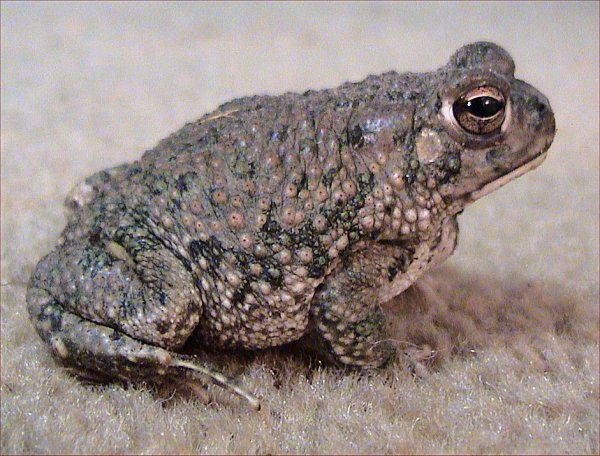
Texas Toad
Grassland, Savannah, Open Woodland, Arid Zones, Temporary Wetlands
Texas, Oklahoma, New Mexico
Boat-Tailed Grackles, Dytiscidae Larvae, Hydrophilidae Larvae, Yellow Mud Turtles, Garter Snakes
- Medium Size For A Toad
- Breeds In Temporary Pools After Heavy Rains
- Distinctive "Series of Explosive Trills" Call
- Ability To Burrow and Bury Itself To Avoid Desiccation
About Anaxyrus speciosus
Anaxyrus speciosus: The Texas Toad
The Texas toad (Anaxyrus speciosus) is a species of amphibian native to the southern United States and northern Mexico, notably designated as the Texas State Amphibian in 2009. This medium-sized toad is well-adapted to arid environments, inhabiting dry grasslands, savannahs with scattered mesquite, and open woodlands, often on sandy or frequently inundated soils.
Description and Adaptations
Adult Texas toads range from 52 to 91 mm (2.0 to 3.6 inches) in snout-to-vent length, with females generally being larger than males. Their survival in dry conditions is aided by their ability to dig burrows in soft soil and bury themselves, or to seek refuge in mud cracks, under logs, or in abandoned gopher burrows to prevent desiccation.
Breeding and Ecology
Breeding activity is closely tied to seasonal rainfall. After heavy rains, temporary water pools, ditches, and cattle tanks become vital breeding sites. During these periods, males congregate and emit a distinctive call, described as a "series of explosive trills," particularly at night, to attract females. Eggs are laid in the water, hatching within two days. The tadpole stage lasts between eighteen and sixty days, influenced by water temperature, before metamorphosis into juvenile toads. The Texas toad's diet consists of insects, including beetles, ants, and bugs.
Distribution and Conservation
The Texas toad's range includes Texas, Oklahoma, New Mexico, and northern Mexico. It is considered one of the most common toads in its region and exhibits tolerance to habitat changes, being found in both natural grasslands and cultivated areas. Due to its wide distribution and substantial population, the International Union for Conservation of Nature (IUCN) has assessed the Texas toad as a species of 'least concern,' with no particular threats currently identified.
Source: Wikipedia ↗
Frequently Asked Questions
Where can the Texas toad be found?
The Texas toad is native to the state of Texas in the United States, and its range also extends northward to Oklahoma, westward to New Mexico, and southward into northern Mexico. It is considered a desert species.
What is the habitat of the Texas toad?
This toad is found in dry grassland, savannahs with scattered mesquite, and open woodlands. It typically prefers sandy or frequently inundated soils and is well-adapted to arid climates.
What does the Texas toad eat?
The diet of the Texas toad consists primarily of insects. This includes a variety of prey such as beetles, ants, and bugs.
How does the Texas toad reproduce?
Breeding occurs after heavy rains, with males congregating in temporary pools and calling to attract females. Eggs are laid in the water and hatch within two days, with tadpoles developing over 18 to 60 days.
What are the predators of the Texas toad?
The Texas toad is preyed upon by various animals. Known predators include boat-tailed grackles, larvae of Dytiscidae and Hydrophilidae (water beetles), yellow mud turtles, and several species of garter snakes.
What is the conservation status of the Texas toad?
The Texas toad is currently listed as 'least concern' by the International Union for Conservation of Nature. This is due to its wide distribution, large population size, and tolerance to habitat changes.
Related Frogs

Anaxyrus terrestris
The southern toad (Anaxyrus terrestris) is a large true toad found in the southeastern United States, commonly inhabiting areas with sandy soils. It is distinguished by knobs on its head and backward-pointing spurs, and its coloration can vary from brick red to mottled gray, brown, or black. This nocturnal species spends its days in burrows and is considered a generalist in its habitat preferences.

American toad
The American toad (Anaxyrus americanus) is a widespread amphibian found across eastern Canada and the United States. It is characterized by its variable coloration, which can range from yellow to brown to black, and its ability to change skin color based on environmental factors. This species is known for its distinctive trilling call during breeding season and its ability to hibernate through the winter.

Anaxyrus boreas
The western toad (Anaxyrus boreas) is a large toad species native to western North America. It is characterized by a white or cream dorsal stripe, dusky gray or greenish coloring, and widely separated parotoid glands. This species is frequently encountered near water and can jump considerable distances, with breeding occurring between March and July.