
Aplastodiscus cavicola
Aplastodiscus cavicola, commonly known as Cruz's treefrog, is a species of frog native to Brazil. It inhabits subtropical or tropical moist lowland forests and rivers, but is currently threatened by habitat loss.
Key Facts
- ›Endemic to Brazil.
- ›Inhabits subtropical or tropical moist lowland forests.
- ›Also found along rivers.
- ›Threatened by habitat loss.

Cruz's Treefrog
Lowland Forests, Rivers
Brazil
About Aplastodiscus cavicola
Aplastodiscus cavicola, more commonly recognized as Cruz's treefrog, is a species of amphibian native to Brazil. As a member of the Hylidae family, it inhabits specific ecological niches within its native range.
Habitat and Distribution
The natural environments for Aplastodiscus cavicola are subtropical or tropical moist lowland forests. The species is also found along rivers, suggesting a reliance on humid conditions and proximity to water sources. Its distribution is endemic to Brazil.
Conservation Status
Cruz's treefrog is currently classified as threatened. The primary factor contributing to its vulnerable status is habitat loss, which poses a significant risk to its continued survival and population stability.
Source: Wikipedia ↗
Frequently Asked Questions
What is Aplastodiscus cavicola?
Aplastodiscus cavicola is a species of frog belonging to the family Hylidae. It is commonly known as Cruz's treefrog.
Where is Aplastodiscus cavicola found?
This frog species is endemic to Brazil. Its natural habitats are subtropical or tropical moist lowland forests and rivers within Brazil.
What are the natural habitats of Aplastodiscus cavicola?
Aplastodiscus cavicola thrives in subtropical or tropical moist lowland forests. It can also be found along rivers.
What is the conservation status of Aplastodiscus cavicola?
Aplastodiscus cavicola is currently threatened. The primary threat identified is habitat loss.
Related Frogs

Aplastodiscus eugenioi
Aplastodiscus eugenioi is a species of frog native to Brazil, belonging to the Hylidae family. It is found in subtropical or tropical moist lowland forests and rivers. The primary threat to this species is habitat loss.
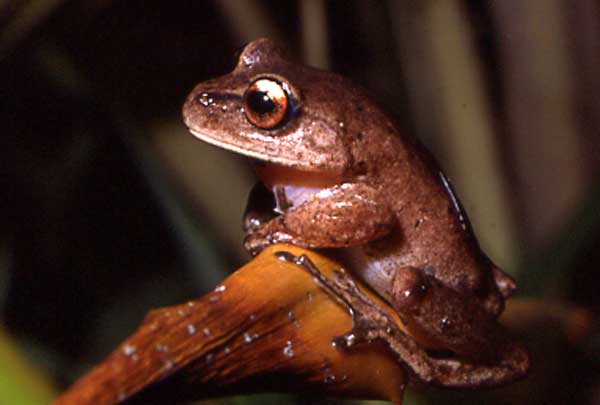
Aplastodiscus cochranae
Aplastodiscus cochranae, also known as the canebrake treefrog, is a species of frog found in the coastal mountains of Santa Catarina, Brazil. This frog is characterized by its robust appearance, distinct coloration, and specific breeding habits.
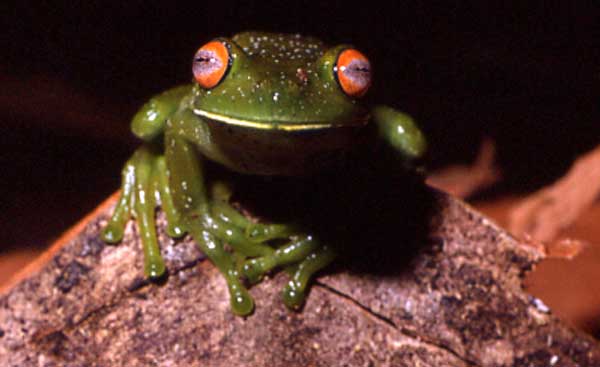
Aplastodiscus callipygius
Aplastodiscus albosignatus, commonly known as the Bocaina treefrog, is a species of frog endemic to Brazil. This arboreal amphibian is distinguished by its green coloration, including its muscles and bones, and unique granulations near its cloacal vent. It inhabits subtropical and tropical moist forests, particularly near mountain streams, and is currently listed as Least Concern by the IUCN.