
Boltysh
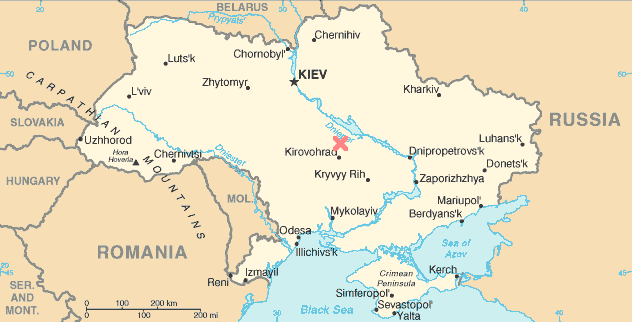
The Boltysh crater, also known as Bovtyshka, is a significant buried impact structure in Ukraine's Kirovohrad Oblast. With a diameter of 24 kilometers and an age of approximately 65.39 million years, it is notably close in age to the Chicxulub crater. While not believed to have caused major global environmental effects like Chicxulub, its discovery and dating have contributed to understanding impact events around the Cretaceous-Paleogene boundary.
Key Facts
- ›Diameter: 24 kilometers (15 MI)
- ›Age: 65.39 ± 0.14/0.16 million years
- ›Location: Kirovohrad Oblast, Ukraine
- ›Discovered during oil shale exploration in the 1960s
- ›Contains a central uplift approximately 6 km in diameter
- ›Buried beneath approximately 500 meters of sediment
Chicxulub Crater
Impact Glasses, Breccia
About Boltysh
Boltysh Crater
The Boltysh crater, also referred to as the Bovtyshka crater, is a significant buried impact structure located in the Kirovohrad Oblast of Ukraine. This crater is approximately 24 kilometers (15 miles) in diameter and holds a critical place in geological studies due to its age. Radiometric dating has placed its formation at approximately 65.39 ± 0.14/0.16 million years ago, positioning it less than one million years after the Chicxulub impact event in Mexico.
Geological Context and Discovery
Boltysh is situated in central Ukraine, within the basin of the Tiasmyn River. The crater itself is buried beneath approximately 500 meters (1,600 ft) of sediment, making it a fossil impact structure. It was discovered in the 1960s during exploration for oil shale deposits, and its identification as an impact crater was solidified by 1975. The impact created a central uplift, about 6 kilometers (3.7 miles) in diameter, which rises about 550 meters (1,800 ft) from the crater's base but is now concealed by overlying sediments.
Age and Significance
The precise dating of the Boltysh crater has been a subject of scientific inquiry. Initial estimates were broad, constrained by the ages of the impacted rocks and overlying sediments. However, subsequent radiometric dating, including argon-argon dating, has refined its age to around 65.39 million years. This close temporal proximity to the Cretaceous–Paleogene (K–Pg) boundary and the Chicxulub impact has made Boltysh a subject of interest for understanding potential secondary effects of large impact events. Despite its proximity in age, the Boltysh impact is not believed to have caused major global environmental catastrophes on the scale attributed to Chicxulub, though some research suggests it may have disrupted recovery processes following the K-Pg extinction.
Source: Wikipedia ↗
Frequently Asked Questions
Where is the Boltysh crater located?
The Boltysh crater is located in central Ukraine, specifically in the Kirovohrad Oblast, near the village of Bovtyshka. It lies within the basin of the Tiasmyn River, a tributary of the Dnieper River.
How large is the Boltysh crater?
The Boltysh crater has a diameter of 24 kilometers (15 miles). It is surrounded by an ejecta blanket that preserves breccia over an area of 6,500 square kilometers.
When did the Boltysh impact event occur?
The Boltysh impact occurred approximately 65.39 million years ago, with a margin of error of ± 0.14/0.16 million years. This timing places it very close to the Cretaceous–Paleogene boundary.
Is the Boltysh crater related to the Chicxulub impact?
The Boltysh crater is currently thought to be unrelated to the Chicxulub impact event. While its age is very close to that of Chicxulub, it is believed to have occurred less than 1 million years after, and did not generate the same scale of global environmental effects.
How was the Boltysh crater discovered?
The Boltysh crater was discovered in the 1960s during exploration for oil shale deposits. Its presence was identified by geological surveys and later confirmed as a fossil meteorite crater.
What is the geological significance of the Boltysh crater?
The Boltysh crater is geologically significant due to its age, which is very close to the Cretaceous–Paleogene boundary and the Chicxulub impact. Studies of Boltysh contribute to understanding impact events and their potential effects around this critical time in Earth's history.
Related Impact Craters
Chicxulub
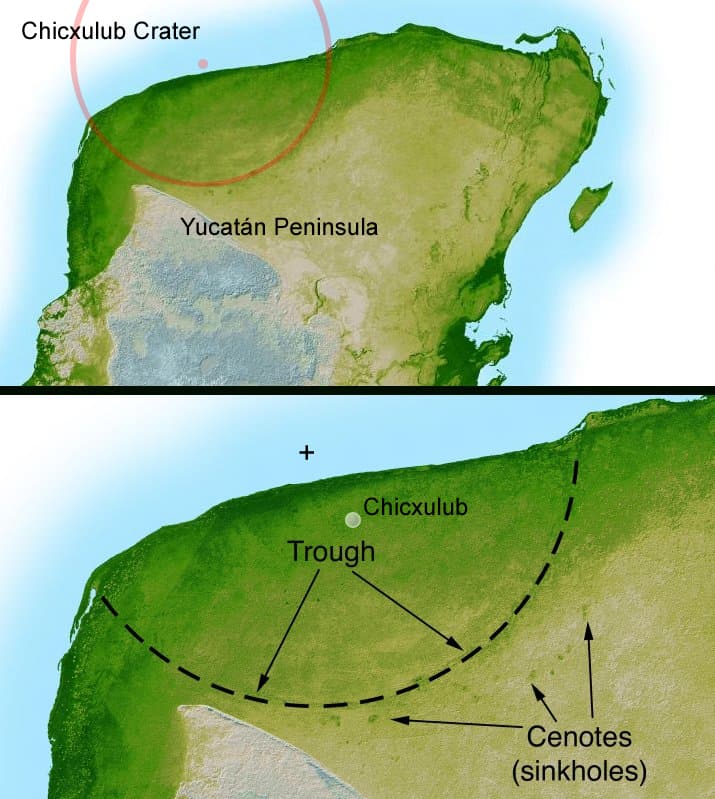
The Chicxulub crater, located beneath the Yucatán Peninsula in Mexico, is a massive impact structure formed approximately 66 million years ago by an asteroid impact. This event is widely recognized as the primary cause of the Cretaceous–Paleogene extinction event, which led to the demise of 75% of Earth's plant and animal species, including the non-avian dinosaurs.
Ilyinets
The Ilyinets crater, located in Ukraine's Vinnytsia Oblast, is an impact structure with a diameter of 8.5 kilometers. Its age is estimated to be around 378 million years, dating back to the Upper Devonian period. The crater is not currently visible on the surface, with its geological significance lying in its formation and location within the Ukrainian Shield.
Rotmistrovka
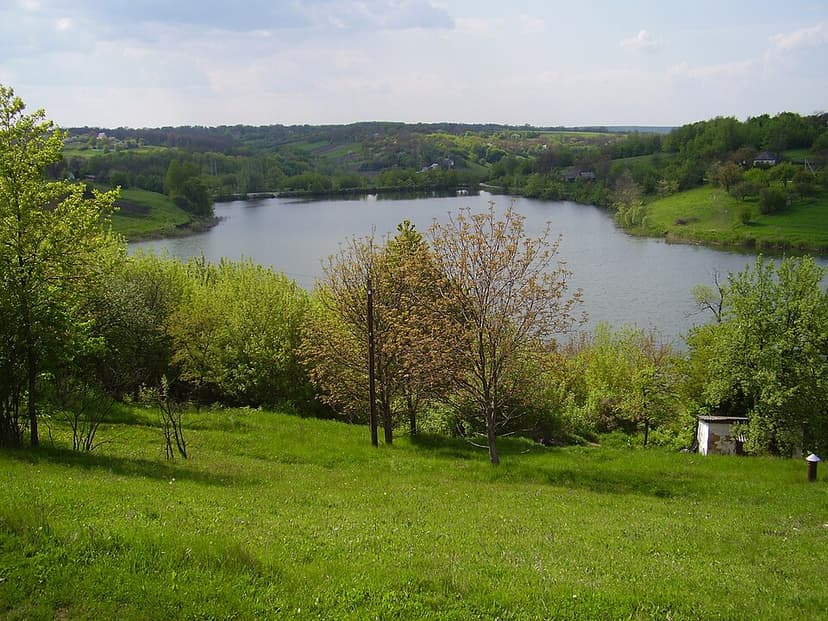
Rotmistrovka is a buried impact crater located in Cherkasy Oblast, Ukraine, near the village of the same name. Estimated to be 120 million years old, this crater is significant for its geological composition, featuring a brecciated granite lens and impact glass beneath sedimentary layers.