
Rotmistrovka
Rotmistrovka is a buried impact crater located in Cherkasy Oblast, Ukraine, near the village of the same name. Estimated to be 120 million years old, this crater is significant for its geological composition, featuring a brecciated granite lens and impact glass beneath sedimentary layers.
Key Facts
- ›Diameter: 2.7 kilometers (1.7 miles).
- ›Age: Approximately 120 ± 10 million years old, dating to the Lower Cretaceous period.
- ›Location: Cherkasy Oblast, Ukraine, near the village of Rotmistrivka.
- ›Buried structure: not exposed on the surface, covered by continental and marine sedimentary deposits.
- ›Composition: Contains a brecciated granite lens and impact glass, overlain by shales, limestones, and granite-derived sandstones.
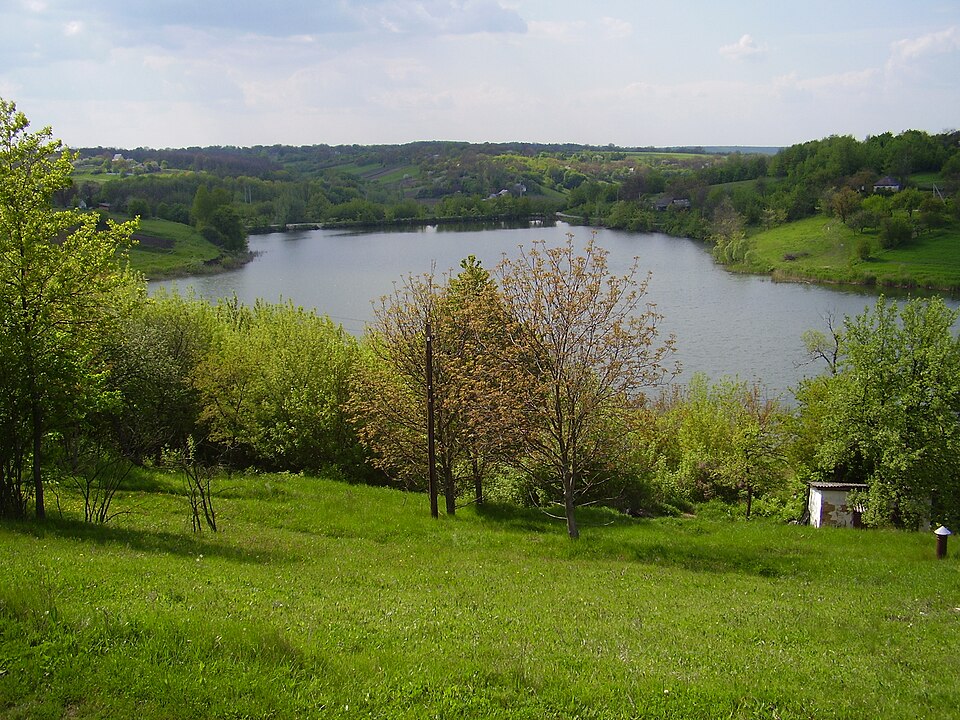
Impact Glass
About Rotmistrovka
Rotmistrovka Impact Crater
The Rotmistrovka impact crater is a significant geological feature located in Cherkasy Oblast, Ukraine, situated near the village of Rotmistrivka. This buried crater is estimated to have formed approximately 120 ± 10 million years ago, placing its origin in the Lower Cretaceous period. With a diameter of 2.7 kilometers (1.7 miles), Rotmistrovka is notable not for its surface visibility, but for its preserved subsurface composition.
Geological Composition and Significance
Rotmistrovka is not exposed on the Earth's surface, having been covered by subsequent continental and marine sedimentary deposits. Beneath these layers, the crater preserves a brecciated lens primarily composed of granite fragments. Interspersed within this breccia are particles of impact glass, a telltale sign of the high-energy terrestrial impact event. The overlying sedimentary sequence includes shales, limestones, and granite-derived sandstones, all dating from the Lower Cretaceous epoch, providing valuable context for the crater's age and the geological environment at the time of impact.
Source: Wikipedia ↗
Frequently Asked Questions
Where is the Rotmistrovka impact crater located?
The Rotmistrovka impact crater is situated in Cherkasy Oblast, Ukraine. It is found near the village of Rotmistrivka.
How old is the Rotmistrovka impact crater?
The estimated age of the Rotmistrovka impact crater is 120 ± 10 million years. This places its formation within the Lower Cretaceous geological period.
What is the size of the Rotmistrovka impact crater?
The Rotmistrovka impact crater has a diameter of 2.7 kilometers, which is equivalent to 1.7 miles.
Can the Rotmistrovka impact crater be seen on the surface?
No, the Rotmistrovka impact crater is not exposed to the surface. It is buried beneath layers of continental and marine sedimentary deposits.
What materials are found within the Rotmistrovka crater?
The crater contains a brecciated lens composed of granite fragments and particles of impact glass. This is overlain by geological formations such as shales, limestones, and granite-derived sandstones.
Related Impact Craters

Carswell
Carswell is a large impact structure located in northern Saskatchewan, Canada, with a diameter of approximately 39 kilometers. Estimated to be 115 million years old, it formed during the Lower Cretaceous period and is significantly exposed at the surface, making it a valuable site for geological study. The structure features a complex central peak with distinctive geological evidence of a high-energy impact event.
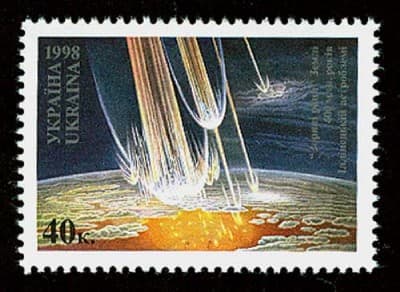
Ilyinets
The Ilyinets crater, located in Ukraine's Vinnytsia Oblast, is an impact structure with a diameter of 8.5 kilometers. Its age is estimated to be around 378 million years, dating back to the Upper Devonian period. The crater is not currently visible on the surface, with its geological significance lying in its formation and location within the Ukrainian Shield.
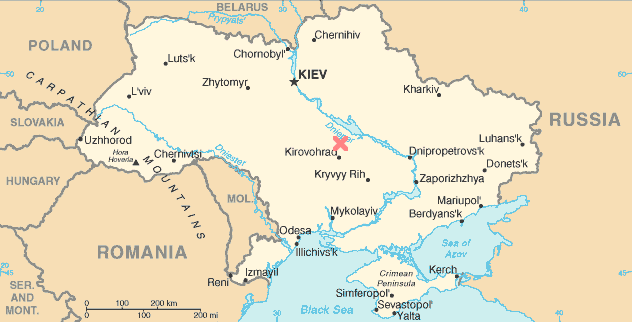
Boltysh
The Boltysh crater, also known as Bovtyshka, is a significant buried impact structure in Ukraine's Kirovohrad Oblast. With a diameter of 24 kilometers and an age of approximately 65.39 million years, it is notably close in age to the Chicxulub crater. While not believed to have caused major global environmental effects like Chicxulub, its discovery and dating have contributed to understanding impact events around the Cretaceous-Paleogene boundary.