
Lonar
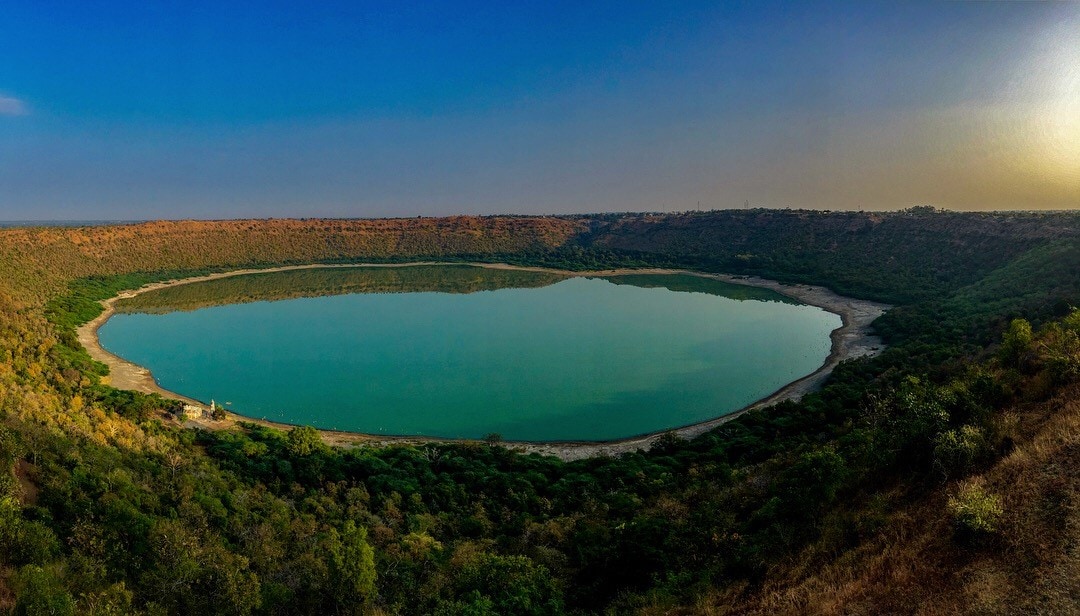
The Lonar crater, located in Maharashtra, India, is a unique geological formation known for its salt water lake situated within a basaltic rock impact structure. This crater, created by a meteorite impact approximately 52,000 years ago during the Pleistocene Epoch, is a site of scientific interest and a habitat for diverse flora and fauna.
Key Facts
- ›Lonar crater contains the world's only known salt water lake within basaltic rock.
- ›The impact event that formed the crater occurred around 52,000 years ago during the Pleistocene Epoch.
- ›The crater's lake has a diameter of 1.8 km and is approximately 137 meters below the crater rim.
- ›The lake is mineral-rich and salty due to evaporite effects, with sodium and potassium salts being extracted.
- ›Glass splinters found at the site confirm the high temperatures generated by the meteorite's impact.
- ›Numerous temples, many in ruins, surround the lake, with the Daitya Sudan temple being a notable exception.
Glass
About Lonar
Lonar Crater
The Lonar crater, situated in the Buldhana district of Maharashtra, India, is a remarkable geological site of international scientific interest. It is recognized globally as the world's only known salt water lake located within basaltic rock. The crater itself is the result of a meteorite impact that occurred approximately 52,000 years ago, during the Pleistocene Epoch.
Geography and Hydrology
The Lonar crater contains a lake with a diameter of 1.8 kilometers, and its surface is about 137 meters below the level of the crater rim. A small freshwater stream contributes to the lake, but due to significant evaporite effects, the water is mineral-rich and saline. This salinity allows for the extraction of valuable sodium and potassium salts.
Evidence of Impact
The impact event that formed the Lonar crater generated immense temperatures, causing the surrounding sand to transform into glass. The presence of glass splinters at the site serves as direct evidence of this high-energy impact. The area also supports a diverse ecosystem, with various bird species inhabiting the surrounding forests.
Historical and Cultural Context
Surrounding the Lonar Lake, numerous temples can be found, many of which are now in a state of ruin. A notable exception is the Daitya Sudan temple, located in the center of Lonar town. This temple was constructed in honor of Vishnu's victory over the giant Lonasur and is considered a fine example of early Hindu architecture. Other temples within the crater's vicinity include Vishnumandir, Wagh Mahadev, Mora Mahadev, Munglyacha Mandir, and Goddess Kamalaja Devia.
Source: Wikipedia ↗
Frequently Asked Questions
What is the Lonar crater?
The Lonar crater is a geological feature formed by a meteorite impact in the Indian state of Maharashtra. It is distinguished by a salt water lake located within the crater, which is set in basaltic rock.
When was the Lonar crater formed?
The Lonar crater is believed to have been created by a meteorite impact around 52,000 years ago. This places the event within the Pleistocene Epoch.
What is significant about the Lonar Lake?
Lonar Lake is significant because it is the world's only salt water lake found within basaltic rock. Its mineral-rich, salty nature is due to evaporite effects, allowing for the extraction of sodium and potassium salts.
What evidence exists of the meteorite impact at Lonar?
Evidence of the meteorite's impact includes the presence of glass splinters around the lake. These splinters are formed when the immense temperature rise from the impact turns sand into glass.
Are there any historical structures near the Lonar crater?
Yes, numerous temples, many of which are now in ruins, surround the Lonar crater and its lake. The Daitya Sudan temple, located in the center of Lonar town, is a well-preserved example of early Hindu architecture.
Related Impact Craters
Ramgarh
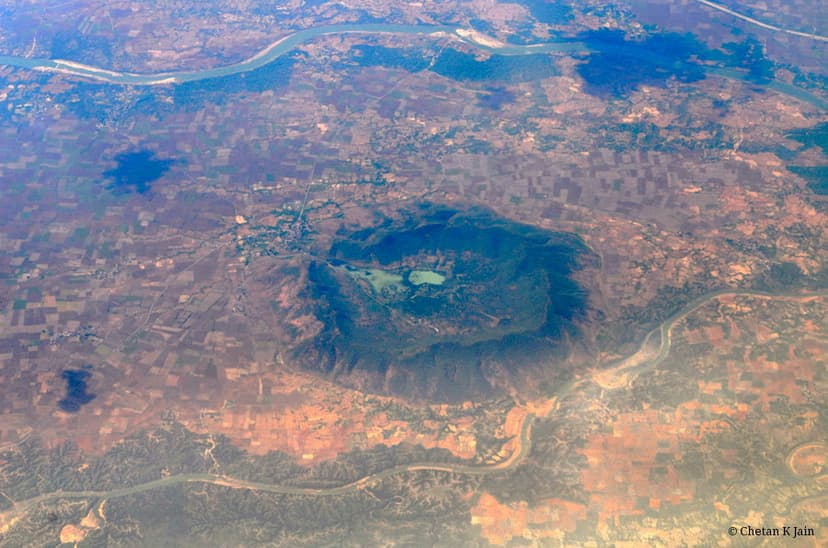
The Ramgarh crater, also known as the Ramgarh structure, is a significant geological feature in Rajasthan, India. Designated as a National Geological Monument, it is currently undergoing investigation to be formally recognized as India's third confirmed meteor impact crater. The site is notable for its unique topography and the presence of potential extraterrestrial mineral evidence.

Henbury
The Henbury Meteorites Conservation Reserve in Australia's Northern Territory preserves a field of over a dozen impact craters, formed by a fragmented meteorite. It is recognized as one of the world's best-preserved small crater fields and was the earliest documented impact site in Australia, holding cultural significance for local Aboriginal peoples.

Holleford
The Holleford Crater is a buried impact structure located near Holleford, Ontario, Canada. It was discovered in the 1950s through aerial photograph analysis and subsequent geophysical studies confirmed it as a meteorite impact crater, despite not being exposed on the surface. The crater is estimated to be 550 million years old and is a significant site for geological research.