
Ramgarh
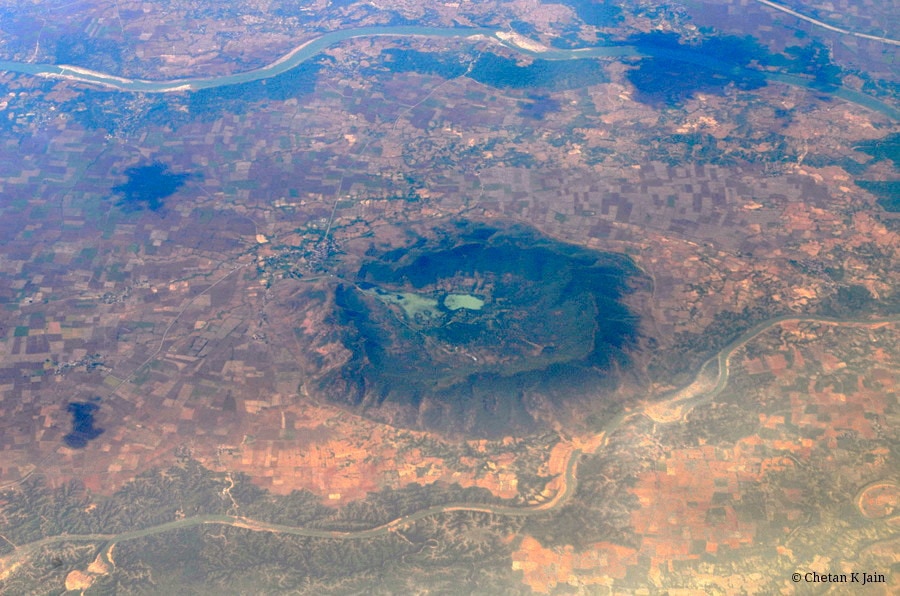
The Ramgarh crater, also known as the Ramgarh structure, is a significant geological feature in Rajasthan, India. Designated as a National Geological Monument, it is currently undergoing investigation to be formally recognized as India's third confirmed meteor impact crater. The site is notable for its unique topography and the presence of potential extraterrestrial mineral evidence.
Key Facts
- ›Diameter: 3.5 kilometers (2.2 miles).
- ›Location: Kota plateau of the Vindhya Range, Rajasthan, India.
- ›Discovery: First visited by geologist Frederick Richard Mallet in 1869 and mapped by Rai Bahadur Kishan Singh Rawat.
- ›Geological Significance: Designated as a National Geological Monument and a potential impact crater pending confirmation by the Earth Impact Database.
- ›Associated Features: near the Bhand Deva Temple and on the western edge of Kuno National Park.
Dhala Crater, Lonar Crater
Iron, Nickel, Cobalt
About Ramgarh
Ramgarh Crater
The Ramgarh crater, also known by various names including Ramgarh structure, Ramgarh Dome, and Ramgarh astrobleme, is a notable geological formation situated in the Kota plateau of the Vindhya Range in Rajasthan, India. With a diameter of approximately 3.5 kilometers (2.2 miles), it is located near Ramgarh village, north of Baran City. This site has been designated as a National Geological Monument and is a subject of ongoing scientific investigation to confirm its status as a meteor impact crater.
Scientific Interest and Confirmation
First visited by geologist Frederick Richard Mallet in 1869, the Ramgarh crater has since been mapped and studied by numerous geologists. Evidence such as rootless sheared sandstone and shatter coned colluvium, along with glass spherules containing high percentages of iron, nickel, and cobalt, suggests an extraterrestrial origin. While some scientific bodies have recognized it as an impact crater, confirmation from the authoritative Earth Impact Database is still pending. If confirmed, it would rank as India's third impact crater, positioned between the larger Dhala crater and the smaller Lonar crater.
Geological Features and Location
The crater is characterized by a raised rim and a circular depression at its center, forming a plain with an average elevation of 260 meters above sea level. It lies on a plateau rising 240 meters above mean sea level, with the crater itself rising an additional 150 to 200 meters. The Ramgarh rivulet flows from its southwestern chasm, eventually becoming a tributary of the Parvati River. The crater is situated on the western edge of Kuno National Park, making it an area of both geological and ecological interest. The Bhand Deva Temple, a 10th-century Shiva temple in the style of the Khajuraho Group, is located near the crater's center.
Source: Wikipedia ↗
Frequently Asked Questions
What is the Ramgarh crater?
The Ramgarh crater, also referred to as the Ramgarh structure or astrobleme, is a geological formation located in the Kota plateau of the Vindhya Range in Rajasthan, India. It is a candidate for a meteor impact crater, measuring approximately 3.5 kilometers in diameter.
Where is the Ramgarh crater located?
The Ramgarh crater is situated adjacent to Ramgarh village, about 40 km north of Baran City in the Mangrol tehsil of Baran district, within the Indian state of Rajasthan. It lies on the western edge of Kuno National Park.
What is the size of the Ramgarh crater?
The Ramgarh crater has an estimated diameter of 3.5 kilometers (2.2 miles). If confirmed, it would be positioned between the sizes of India's two other confirmed impact craters, Dhala (14 km) and Lonar (1.8 km).
When was the Ramgarh crater discovered?
The Ramgarh crater was first visited by geologist Frederick Richard Mallet in 1869. It was subsequently mapped on a small scale by Rai Bahadur Kishan Singh Rawat.
Is the Ramgarh crater confirmed as an impact crater?
While the Ramgarh crater has been recognized as a potential impact structure by some scientific bodies and exhibits evidence consistent with a meteorite strike, its confirmation by the Earth Impact Database is pending. Studies have found rootless sheared sandstone and shatter coned colluvium, along with glass spherules rich in iron, nickel, and cobalt.
What is the geological significance of the Ramgarh crater?
Ramgarh crater is designated as a National Geological Monument in India. Its significance lies in its potential to be India's third confirmed impact crater and its unique geological features, including a raised rim and a central depression, which are being studied for evidence of extraterrestrial impact.
Related Impact Craters
Lonar
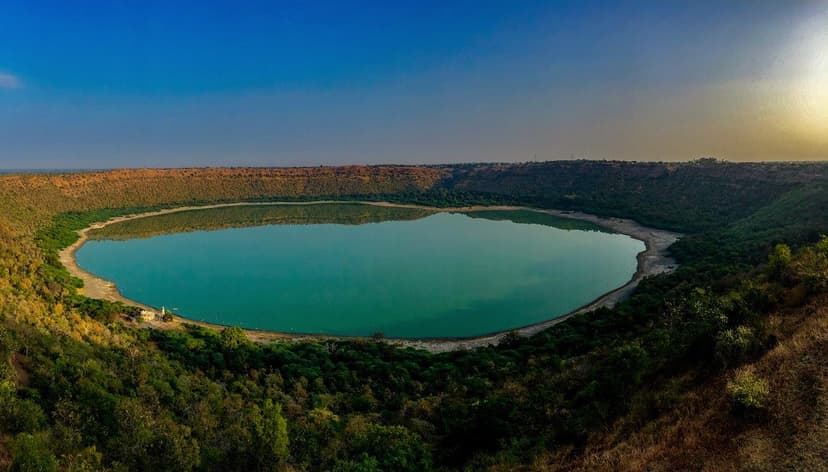
The Lonar crater, located in Maharashtra, India, is a unique geological formation known for its salt water lake situated within a basaltic rock impact structure. This crater, created by a meteorite impact approximately 52,000 years ago during the Pleistocene Epoch, is a site of scientific interest and a habitat for diverse flora and fauna.

Henbury
The Henbury Meteorites Conservation Reserve in Australia's Northern Territory preserves a field of over a dozen impact craters, formed by a fragmented meteorite. It is recognized as one of the world's best-preserved small crater fields and was the earliest documented impact site in Australia, holding cultural significance for local Aboriginal peoples.

Holleford
The Holleford Crater is a buried impact structure located near Holleford, Ontario, Canada. It was discovered in the 1950s through aerial photograph analysis and subsequent geophysical studies confirmed it as a meteorite impact crater, despite not being exposed on the surface. The crater is estimated to be 550 million years old and is a significant site for geological research.