
Marquez
The Marquez crater is a buried impact structure located in Leon County, Texas. Estimated to be 58 million years old, its buried nature means it is not visible on the surface, though surface formations like the Marquez Dome are believed to be parts of its central uplift.
Key Facts
- ›Diameter: 12.7 km (8 miles)
- ›Age: Approximately 58 ± 2 million years
- ›Location: Leon County, Texas, USA
- ›Not exposed at the surface, but surface formations are associated with its central peak.
- ›Discovery involved reflection seismology and identification of shatter cones.

Shatter Cones
About Marquez
Marquez Crater
The Marquez crater is a significant buried impact structure located in Leon County, Texas, United States. Situated near the small town of Marquez, approximately 177 kilometers northeast of Austin, this crater offers valuable insights into terrestrial impact events even though it is not visible on the Earth's surface.
Key Characteristics
With a diameter of 12.7 kilometers (8 miles), the Marquez crater is estimated to be 58 ± 2 million years old, dating back to the Paleocene epoch. The impact event occurred within Cretaceous sedimentary rocks. While the crater itself is not exposed, surface formations such as the Marquez Dome are believed to represent portions of the central rebound peak. These surface features include a roughly 1.2-kilometer diameter circular region of disturbed sedimentary rocks, potentially associated with a central peak that may rise as much as 1,120 meters above the buried crater's base.
Discovery and Confirmation
Early investigations into the Marquez Dome initially suggested the presence of an underlying salt dome. However, subsequent research, utilizing reflection seismology, refuted this hypothesis. The discovery of features like shatter cones, which are strongly indicative of meteoritic impacts, provided conclusive evidence for the impact origin of the Marquez structure. These geological markers are crucial in confirming its status as a meteorite crater.
Source: Wikipedia ↗
Frequently Asked Questions
Where is the Marquez crater located?
The Marquez crater is situated in Leon County, Texas, United States, near the town of Marquez, approximately 177 km northeast of Austin.
How large is the Marquez crater?
The Marquez crater has an estimated diameter of 12.7 kilometers (8 miles).
How old is the Marquez crater?
The impact event that formed the Marquez crater is estimated to have occurred around 58 ± 2 million years ago.
Can the Marquez crater be seen on the surface?
No, the Marquez crater is not exposed at the surface. However, surface formations such as the Marquez Dome are thought to be parts of its central rebound peak.
What geological evidence points to the Marquez crater being an impact structure?
Initial theories suggested a salt dome, but reflection seismology and the discovery of shatter cones, features strongly associated with meteoritic impacts, ruled out that origin and confirmed its impact nature.
Related Impact Craters

Connolly Basin
Connolly Basin is a 9 km-diameter impact crater situated in the remote Gibson Desert of central Western Australia. Initially mistaken for a diapir, its impact origin was identified in 1985. The crater features a distinct topographic rim and a central uplift exposing deformed bedrock, with surrounding sedimentary rocks dating from the Early Cretaceous to Paleogene and uplifted central rocks likely from the Early Permian.

Hiawatha
The Hiawatha impact structure is a large, probable impact crater discovered beneath the Hiawatha Glacier in northwest Greenland. Identified through airborne radar surveys and confirmed by shocked quartz and melt rock findings, it dates back approximately 57.99 million years to the late Paleocene epoch. Its discovery holds significant implications for understanding Earth's impact history.
Chesapeake Bay
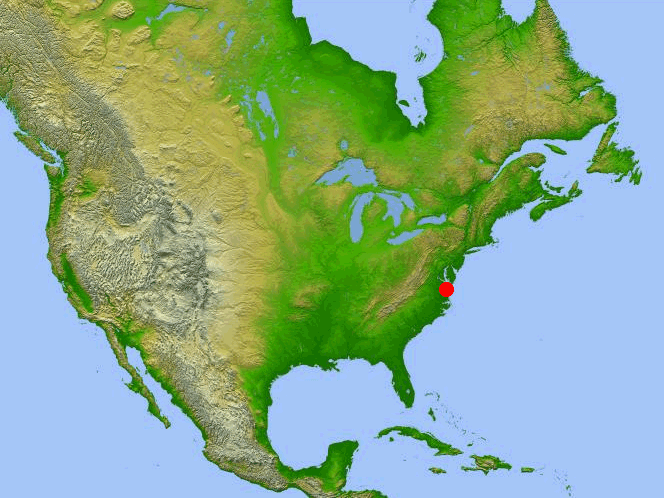
The Chesapeake Bay impact crater is a large, deeply buried structure located beneath the mouth of the Chesapeake Bay in the United States. Formed by a high-speed bolide impact approximately 35.5 million years ago, it is one of the best-preserved "wet-target" impact craters globally and has significantly influenced the region's geology, including the formation of the Chesapeake Bay itself.