
Tenoumer
Mauritania·Nearly circular
Tenoumer is a probable impact crater located in the western Sahara Desert of Mauritania. While initially theorized as volcanic, current evidence strongly suggests an impact origin. It is a nearly circular structure exposed at the surface, with its base covered by a significant layer of sediments.
Key Facts
- ›Diameter: 1.9 km
- ›Age: Approximately 1.57 million years old (as of 2016)
- ›Location: Western Sahara Desert, Mauritania
- ›Morphology: Nearly circular, exposed at the surface
- ›Target Rock: Gneiss and granite of Precambrian peneplain with a thin layer of Pliocene sediments
- ›Discovery: Recognized as a probable impact structure

About Tenoumer
Tenoumer is a probable impact crater situated in the vast western Sahara Desert of Mauritania. Measuring 1.9 kilometers in diameter, this nearly circular structure is exposed at the surface, with its edges rising significantly above the crater's base. While the crater's floor is obscured by a substantial layer of sediments, approximately 200 to 300 meters thick, the geological evidence points towards an extraterrestrial impact event.
Geological Context and Discovery
The impact occurred within gneiss and granite formations of the Precambrian peneplain, overlaid by a thin deposit of Pliocene sediments. Initially, the discovery of basalt and rhyodacite outside the crater basin led to theories of a volcanic origin. However, subsequent investigations and the presence of basement rocks beyond the crater's rim have provided compelling evidence for an impact event.
Age and Significance
As of 2016, the estimated age of the Tenoumer impact crater is approximately 1.57 million years, a revision from earlier estimates. The crater's well-preserved morphology and the clear indications of an impact event make it a geologically significant site for studying impact processes in arid environments.
Source: Wikipedia ↗
Frequently Asked Questions
Where is the Tenoumer impact crater located?
The Tenoumer impact crater is situated in the western Sahara Desert, within Mauritania.
What is the estimated age of the Tenoumer crater?
As of 2016, the age of the Tenoumer crater is estimated to be approximately 1.57 million years old. Previous estimates suggested an age of 21,400 ± 9,700 years.
What is the size of the Tenoumer impact crater?
The Tenoumer impact crater has a diameter of 1.9 kilometers (1.2 miles). The edges of the crater rise up to 110 meters above its base.
What type of rocks were present at the Tenoumer impact site?
The Tenoumer crater formed in gneiss and granite of the Precambrian peneplain, which were covered by a thin layer of Pliocene sediments. Basalt and rhyodacite were also found outside the crater basin.
Was the Tenoumer crater always believed to be an impact structure?
No, a volcanic origin was once theorized for Tenoumer due to the discovery of basalt and rhyodacite. However, current evidence clearly indicates an impact origin.
Related Impact Craters
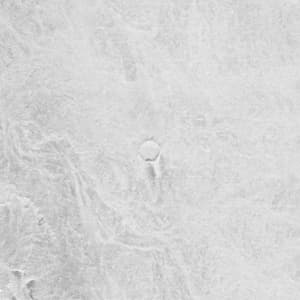
Aouelloul
Aouelloul is a well-preserved impact crater located in the Akchar Desert region of Mauritania. This roughly circular crater, measuring 390 meters in diameter, is geologically significant due to the presence of tektites and its estimated age of 3.1 million years.

Gweni-Fada
Gweni-Fada Crater is an eroded impact structure located in the Ennedi Plateau of Chad. First identified in aerial photographs in the 1950s, its impact origin was later supported by evidence of shock metamorphism found in collected rock samples. The crater exhibits a complex morphology with an outer depression and an inner rugged terrain.
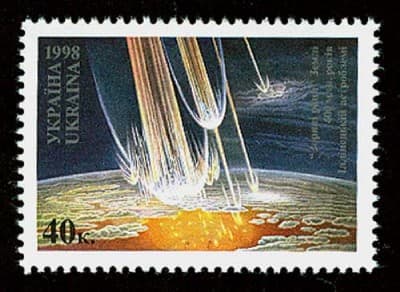
Ilyinets
The Ilyinets crater, located in Ukraine's Vinnytsia Oblast, is an impact structure with a diameter of 8.5 kilometers. Its age is estimated to be around 378 million years, dating back to the Upper Devonian period. The crater is not currently visible on the surface, with its geological significance lying in its formation and location within the Ukrainian Shield.