
Vepriai
Lithuania
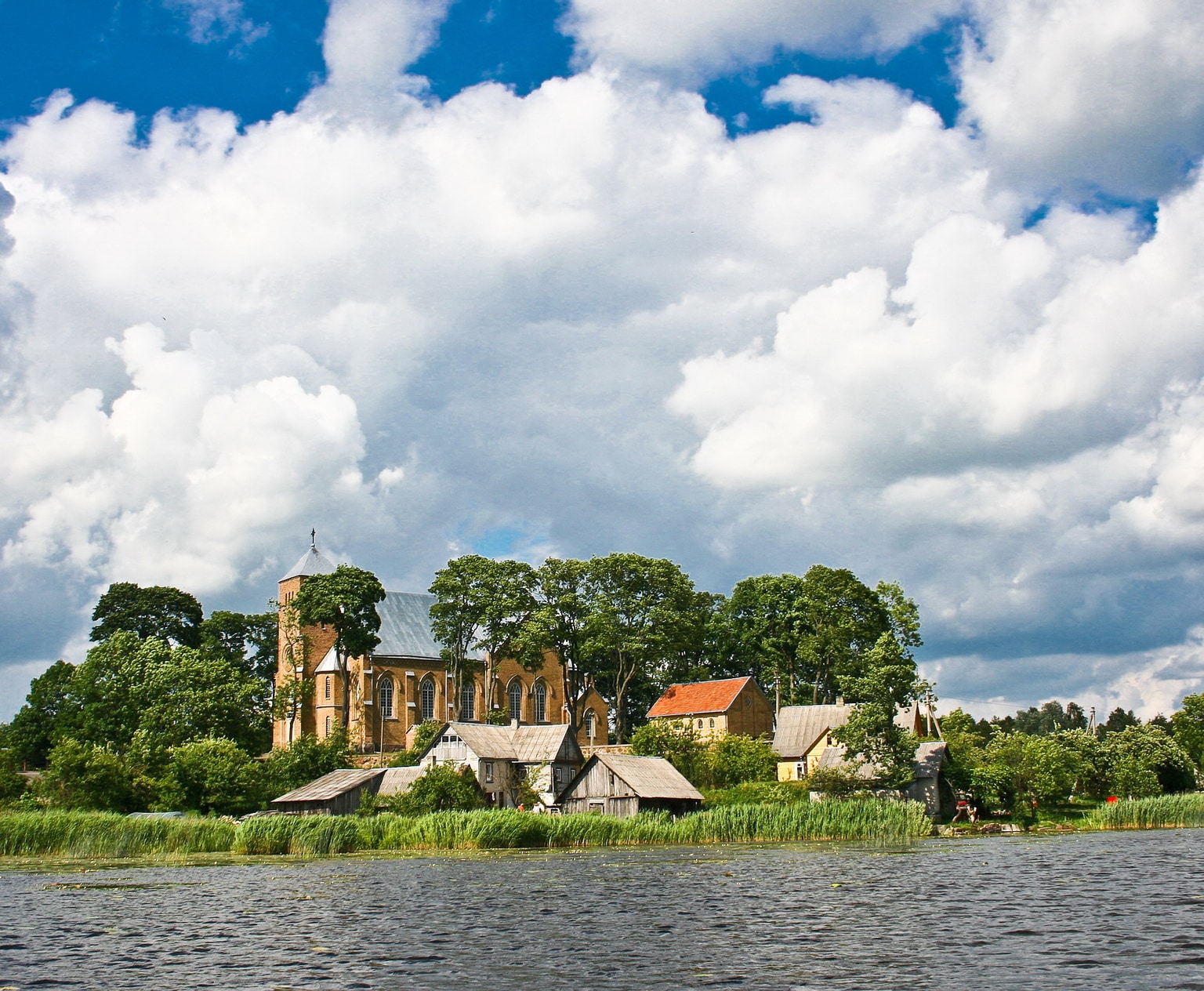
Vepriai is a town in Lithuania that is situated near the center of the Vepriai Meteor Crater, the largest impact structure found in the country. The town itself has a rich history dating back to at least 1384, once serving as a significant hill fort and later developing into a residential manor complex and eventually a modern town.
Key Facts
- ›Vepriai is located near the center of the Vepriai Meteor Crater, Lithuania's largest known impact structure.
- ›The town was first mentioned in historical records in 1384 as Weperen.
- ›Historically, Vepriai served as a powerful hill fort protecting Lithuanian lands from the Teutonic Order.
- ›The area has been inhabited by various noble families over centuries, with a Renaissance palace built in the 17th century.
- ›A Neoclassical palace was erected in the 19th century and remains a dominant feature of the manor ensemble.
- ›Vepriai became the administrative capital of Vepriai Volost from 1864 until 1950.
About Vepriai
Vepriai Impact Crater
Vepriai is a town in Lithuania recognized for its proximity to the Vepriai Meteor Crater, the largest impact structure documented within the country. The town itself boasts a long historical lineage, with its origins tracing back to at least 1384 when it was recorded as Weperen. This site was once a formidable hill fort, crucial in the defense of Lithuanian territories against incursions from the Teutonic Order. Over centuries, the area evolved from a defensive stronghold to a center of noble residence and administration, eventually developing into its present-day form.
Historical and Geographical Context
The town of Vepriai is strategically situated on a hill near Vepriai Lake and south of the Šventoji River, placing it at the heart of the Vepriai Meteor Crater. Historically, the site was fortified, and later, residential manors were established, ruled by prominent Lithuanian noble families such as the Kęsgailos, Šemetos, Ogińskis, Tyzenhauzs, and Platers. The architectural landscape of Vepriai includes remnants of a 19th-century Neoclassical palace, a neo-Gothic church, and a Baroque roadside chapel, reflecting its layered history. Geographically, Vepriai is located in the Aukštaitija Region, within the Middle Lithuanian Lowlands, surrounded by forests, hills, and river valleys, making it an attractive site for both its natural beauty and historical heritage.
Source: Wikipedia ↗
Frequently Asked Questions
What is Vepriai known for?
Vepriai is primarily known as a town situated near the center of the Vepriai Meteor Crater, which is the largest impact crater in Lithuania. The town also has a long and rich history, featuring a medieval hill fort and several historical manor complexes.
When was Vepriai first mentioned?
Vepriai was first mentioned in historical records in 1384 by Wigand of Marburg in his Chronicle, under the name Weperen.
What was the historical significance of Vepriai?
In the Middle Ages, Vepriai was a powerful hill fort that played a role in defending Lithuanian lands from western threats, particularly the Teutonic Order. Later, it became the site of various noble families' residences and administrative centers.
What geological feature is Vepriai associated with?
Vepriai is located near the center of the Vepriai Meteor Crater, which is the largest impact crater discovered in Lithuania.
What kind of structures are found in Vepriai?
The town features remains of historical structures including the derelict western pavilion of the 19th-century Vepriai manor palace, the neo-Gothic Vepriai Roman Catholic Church built in 1910, and a Baroque roadside chapel built after 1772.
Related Impact Craters

Gweni-Fada
Gweni-Fada Crater is an eroded impact structure located in the Ennedi Plateau of Chad. First identified in aerial photographs in the 1950s, its impact origin was later supported by evidence of shock metamorphism found in collected rock samples. The crater exhibits a complex morphology with an outer depression and an inner rugged terrain.
Ilyinets
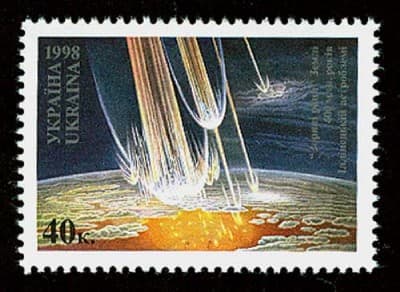
The Ilyinets crater, located in Ukraine's Vinnytsia Oblast, is an impact structure with a diameter of 8.5 kilometers. Its age is estimated to be around 378 million years, dating back to the Upper Devonian period. The crater is not currently visible on the surface, with its geological significance lying in its formation and location within the Ukrainian Shield.
Haughton
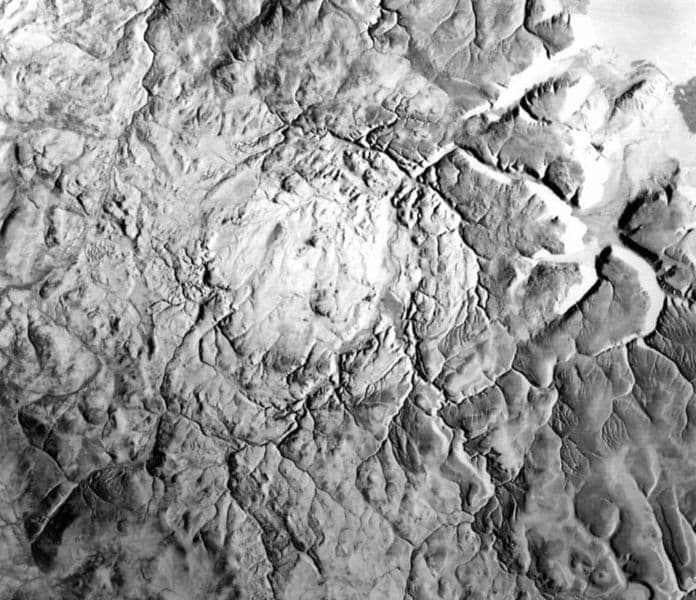
The Haughton impact crater, located on Devon Island in far Northern Canada, is a significant geological site due to its well-preserved features resulting from its high-latitude, cold environment. Formed approximately 31-32 million years ago, it serves as a valuable terrestrial analogue for Martian impact craters, prompting extensive research by space exploration organizations.