
Woodleigh
The Woodleigh impact structure is a large, deeply buried meteorite crater located in Western Australia. Its immense size, potentially exceeding 120 kilometers in diameter, makes it one of the largest confirmed impact structures globally and a significant geological feature, though its exact dimensions and age are subject to ongoing research. The discovery of unique minerals like reidite provides strong evidence for the extreme pressures generated by the impact event.
Key Facts
- ›Potentially up to 120 km in diameter, making it one of the largest confirmed impact structures globally.
- ›Discovered in 2000 by a team led by Arthur J. Mory.
- ›Dated to approximately 364 ± 8 million years ago, during the Late Devonian period.
- ›The central uplift is estimated to be 20 km in diameter.
- ›Contains evidence of extreme pressure, including shocked quartz and the rare mineral reidite.
- ›Not exposed at the surface, making its exact size challenging to determine.
Acraman, Tookoonooka, Gnargoo
Shocked Quartz, Reidite, Breccia
About Woodleigh
Woodleigh Impact Structure
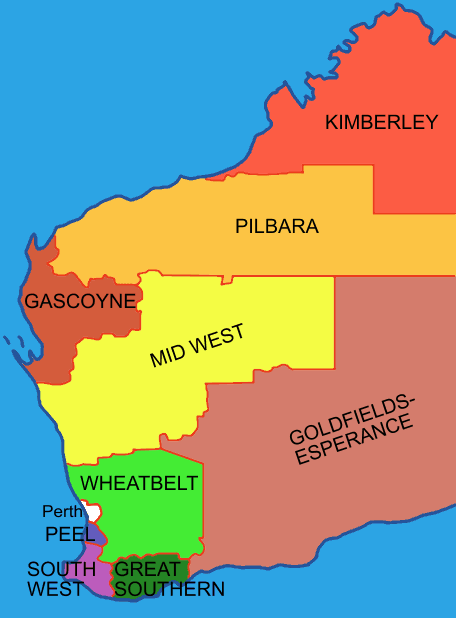
The Woodleigh impact structure, also known as an astrobleme, is a significant geological feature located in Western Australia. Centered on Woodleigh Station, east of Shark Bay in the Gascoyne region, this structure is notable for its immense potential size, which remains a subject of scientific investigation due to its subsurface nature.
Description and Discovery
Woodleigh is not exposed at the surface, meaning its true dimensions are difficult to ascertain. Initial assessments in 2000 by a team led by Arthur J. Mory suggested a diameter of up to 120 kilometers, which would rank it among the largest confirmed impact structures globally. However, subsequent studies have proposed smaller diameters, with some research pointing to figures closer to 60 kilometers, while others suggest a range between 60 and 160 kilometers or more. If the larger estimates are accurate, the impact would have been caused by a bolide, such as an asteroid or comet, approximately 5 to 12 kilometers wide.
The central uplift of the structure, interpreted to be about 20 kilometers in diameter, was first encountered through drilling in the late 1970s. Its significance as an impact feature was only recognized in 1997 during a gravity survey. Further investigation in 1999 yielded core samples containing veins of melted glass, breccia, and shocked quartz. These materials are indicative of immense pressures, far exceeding those typically generated by volcanic or seismic activity, strongly suggesting an extraterrestrial impact.
Age and Significance
The Woodleigh impact event is now dated to approximately 364 ± 8 million years ago, placing it within the Late Devonian period. This timeframe aligns with the significant Late Devonian extinction event, raising questions about a potential link. The discovery of the extremely rare mineral reidite in drill core samples from the central uplift zone in 2018 further supports the interpretation of a large impact structure, potentially exceeding 100 kilometers in diameter and possibly making it the largest in Australia.
Woodleigh is counted among Australia's largest impact structures, alongside Acraman and Tookoonooka. Its subsurface nature, coupled with the evidence of extreme pressures and its ancient age, makes it a crucial site for understanding impact dynamics and their potential influence on Earth's history, including mass extinction events.
Source: Wikipedia ↗
Frequently Asked Questions
Where is the Woodleigh impact structure located?
The Woodleigh impact structure is situated in Western Australia, centered on Woodleigh Station, east of Shark Bay in the Gascoyne region.
What is the estimated size of the Woodleigh crater?
Estimates for the Woodleigh crater's diameter vary, with some suggesting it could be up to 120 kilometers, while others propose a smaller diameter closer to 60 kilometers. More recent studies indicate a range between 60 and 160 kilometers or more.
When did the Woodleigh impact event occur?
The Woodleigh impact is now thought to date from approximately 364 ± 8 million years ago, during the Late Devonian geological period. Earlier estimates placed the event between the Late Permian and Late Triassic.
What evidence supports the Woodleigh structure being an impact crater?
Evidence includes thin veins of melted glass, breccia, and shocked quartz found in drill cores, which indicate extremely high pressures. The discovery of the rare mineral reidite further supports its origin as an impact structure.
Why is the Woodleigh impact structure significant?
Its potential large size makes it one of the largest confirmed impact structures in the world. The presence of minerals formed under immense pressure provides valuable insights into impact processes, and its age coincides with the Late Devonian extinction event.
Related Impact Craters

Henbury
The Henbury Meteorites Conservation Reserve in Australia's Northern Territory preserves a field of over a dozen impact craters, formed by a fragmented meteorite. It is recognized as one of the world's best-preserved small crater fields and was the earliest documented impact site in Australia, holding cultural significance for local Aboriginal peoples.
Cleanskin
The Cleanskin crater is an eroded impact structure in Australia, straddling the border between the Northern Territory and Queensland. With a diameter of 15 kilometers, its polygonal shape is attributed to pre-existing regional faults. The crater formed during the late Mesoproterozoic to Neoproterozoic eras and became eroded and buried by the Cambrian and Cretaceous periods respectively.

Connolly Basin
Connolly Basin is a 9 km-diameter impact crater situated in the remote Gibson Desert of central Western Australia. Initially mistaken for a diapir, its impact origin was identified in 1985. The crater features a distinct topographic rim and a central uplift exposing deformed bedrock, with surrounding sedimentary rocks dating from the Early Cretaceous to Paleogene and uplifted central rocks likely from the Early Permian.