
Acraman
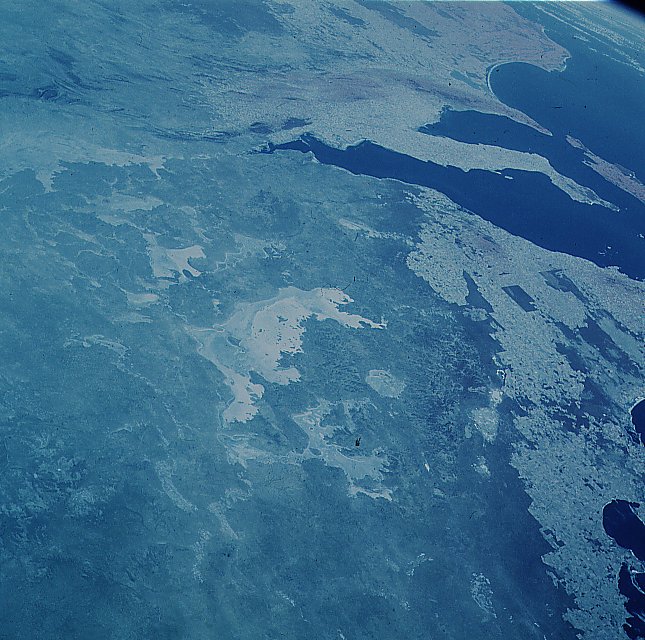
The Acraman impact structure is a deeply eroded crater in South Australia, marked by the ephemeral Lake Acraman. Evidence for its formation includes shatter cones and shocked quartz found on islands within the lake. The impact event is estimated to have occurred approximately 590 million years ago, with its ejecta found hundreds of kilometers away.
Key Facts
- ›Located in the Gawler Ranges of South Australia.
- ›Marked by Lake Acraman, a circular playa lake approximately 20 km in diameter.
- ›Estimated original diameter ranges from 35-40 km to 85-90 km.
- ›Estimated age of 590 million years ago, during the Ediacaran period.
- ›Evidence includes shatter cones and shocked quartz.
- ›Ejecta layer found in the Flinders Ranges, over 300 km away.
Shocked Quartz
About Acraman
Acraman Impact Structure
The Acraman impact structure is a significant geological feature located in the Gawler Ranges of South Australia. Its presence is primarily marked by Lake Acraman, a circular ephemeral playa lake approximately 20 kilometers in diameter, which occupies the central depression of the eroded crater.
Discovery and Evidence
The discovery of the Acraman impact structure and its associated ejecta was first reported in 1986. Key evidence supporting its impact origin includes the presence of shatter cones and shocked quartz found within the shattered bedrock on islands situated in Lake Acraman. These are tell-tale signs of the immense pressure and heat generated by a hypervelocity impact.
Age and Size
The impact event that created the Acraman structure is estimated to have occurred around 590 million years ago, during the Ediacaran period. This age is not directly determined from the crater itself but is inferred from the stratigraphic position of its ejecta found in nearby sedimentary basins. The original size of the impact structure is challenging to ascertain due to significant erosion. Estimates vary, with some researchers suggesting an original diameter of up to 85 to 90 kilometers, while others propose a smaller size, perhaps only 35 to 40 kilometers, closer to the diameter of the current lake.
Ejecta and Significance
A widespread layer of ejecta, believed to originate from the Acraman impact, has been identified within Ediacaran rocks of the Flinders Ranges, located at least 300 kilometers to the east. This ejecta layer, containing shocked minerals and small shatter cones, settled into the shallow seas that covered these areas at the time. The proximity of the Acraman impact structure to the type area for the Ediacara Biota has led to discussions about potential connections, although the global consequences of such a large impact would have been far-reaching.
The Acraman impact structure is listed on the South Australian Heritage Register, highlighting its importance as a record of Earth's impact history.
Source: Wikipedia ↗
Frequently Asked Questions
What is the Acraman impact structure?
The Acraman impact structure is a deeply eroded crater in South Australia, believed to have been formed by a celestial body impact. It is now marked by the presence of Lake Acraman, an ephemeral playa lake.
Where is the Acraman impact structure located?
The Acraman impact structure is situated in the Gawler Ranges of South Australia. The feature is physically marked by Lake Acraman.
When did the Acraman impact event occur?
The impact event that formed the Acraman structure is estimated to have occurred about 590 million years ago. This age places the event during the Ediacaran geological period.
What evidence supports the Acraman impact structure being an impact crater?
Evidence for the impact includes the presence of shatter cones and shocked quartz found in shattered bedrock on islands within Lake Acraman. A widespread ejecta layer containing shocked minerals and associated with an iridium anomaly has also been identified.
How large is the Acraman impact structure?
The original size of the Acraman impact structure is difficult to determine due to erosion. Estimates for its original diameter vary, with some suggesting up to 85-90 kilometers and others proposing a smaller size closer to 35-40 kilometers.
Is the Acraman impact structure confirmed?
Yes, the Acraman impact structure is confirmed as an impact crater. Evidence such as shatter cones and shocked quartz supports its impact origin.
Related Impact Craters
Cleanskin
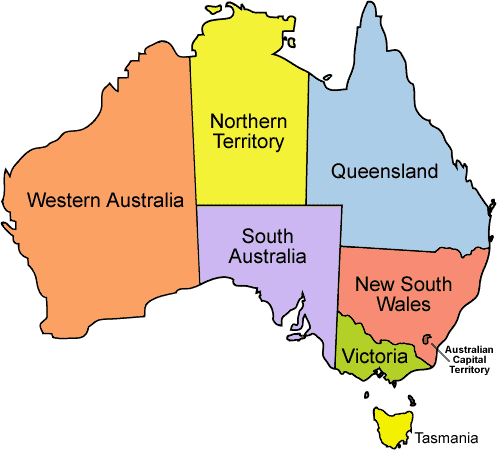
The Cleanskin crater is an eroded impact structure in Australia, straddling the border between the Northern Territory and Queensland. With a diameter of 15 kilometers, its polygonal shape is attributed to pre-existing regional faults. The crater formed during the late Mesoproterozoic to Neoproterozoic eras and became eroded and buried by the Cambrian and Cretaceous periods respectively.

Shoemaker
The Shoemaker impact structure, formerly known as Teague Ring, is the eroded remnant of a significant impact crater located in central Western Australia. Named in honor of planetary geologist Eugene Shoemaker, its prominent ring-like feature is visible in satellite imagery and lies on the boundary of the Earaheedy Basin and the Yilgarn craton.
Foelsche
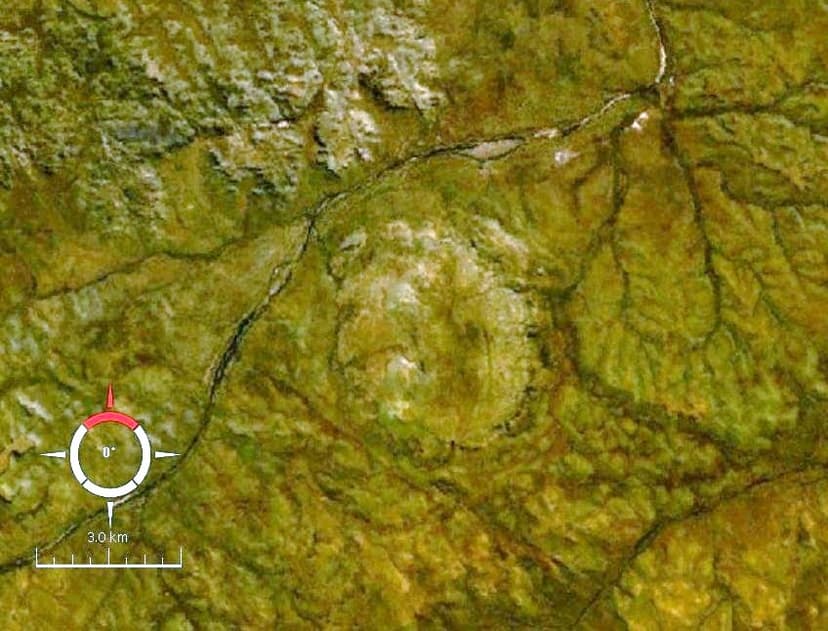
Foelsche is a largely buried impact structure in Australia's Northern Territory, named after the nearby Foelsche River. Its circular nature is evident on aeromagnetic images, leading to its discovery despite minimal surface exposure. The impact occurred into ancient sedimentary rocks, with remnants of the crater rim found around a Neoproterozoic sedimentary hill that partly covers the structure.