
Diplomesodon
Diplomesodon is a genus of shrew, currently containing only one living species, the piebald shrew (Diplomesodon pulchellus). This genus also includes extinct species and a potentially dubious species described from historical manuscripts. The piebald shrew is found in the Caspian region, a stark contrast to the location of an extinct species within the genus.
Key Facts
- ›The genus Diplomesodon contains one extant species, the piebald shrew.
- ›An extinct species, Diplomesodon fossorius, is known from the Early Pleistocene of South Africa.
- ›The status of Diplomesodon sonnerati (Sonnerat's shrew) is debated, as it is known only from a 19th-century manuscript.
- ›The American Society of Mammalogists considers D. sonnerati a potential subspecies of the piebald shrew.
- ›The piebald shrew is found in the Caspian region.
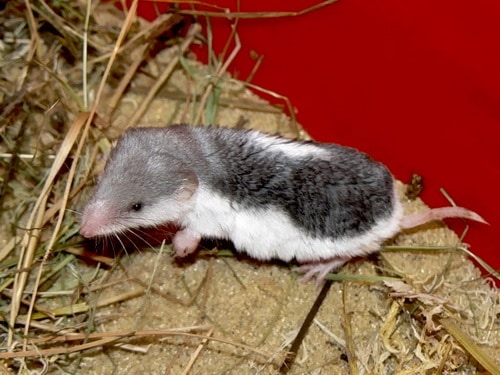
Piebald Shrew, Sonnerat's Shrew
Caspian Region, South Africa
About Diplomesodon
Diplomesodon is a genus of shrew notable for containing only one living species, the piebald shrew (Diplomesodon pulchellus). The genus's taxonomic history includes both extinct species and a debated, potentially extinct, species known only from historical descriptions.
Extinct and Enigmatic Species
An extinct member of this genus, Diplomesodon fossorius, is documented from the Early Pleistocene epoch in South Africa. This ancient species' habitat is geographically distant from the modern distribution of the piebald shrew. Another species, Sonnerat's shrew (Diplomesodon sonnerati), is described from a 19th-century manuscript without any accompanying physical remains. Its status as a valid taxon is uncertain, and if it is indeed valid, it is presumed to be extinct due to the lack of material evidence. The American Society of Mammalogists views D. sonnerati as a potential subspecies of the piebald shrew, contingent on its existence.
Distribution
The single extant species, the piebald shrew, is found in the Caspian region. This contrasts significantly with the South African origin of the extinct species Diplomesodon fossorius.
Source: Wikipedia ↗
Frequently Asked Questions
How many living species are in the genus Diplomesodon?
The genus Diplomesodon currently contains only one extant species. This living species is known as the piebald shrew.
Are there any extinct species within the Diplomesodon genus?
Yes, an extinct species named Diplomesodon fossorius has been identified. It is known from the Early Pleistocene period and was found in South Africa.
What is the status of Sonnerat's shrew?
Sonnerat's shrew, potentially Diplomesodon sonnerati, is considered an enigmatic species. It is known only from a 19th-century manuscript and no physical remains exist, making its taxonomic validity contentious. If it is a valid taxon, it is likely extinct.
Where is the piebald shrew found?
The piebald shrew (Diplomesodon pulchellus) is currently found in the Caspian region. This is geographically distant from the location of the extinct species Diplomesodon fossorius.
Related Insectivore species
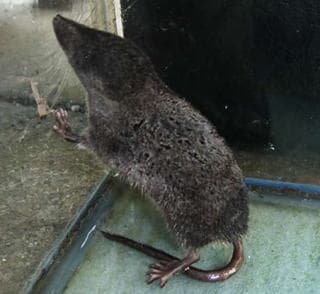
Chimarrogale
Chimarrogale represents a genus of Asiatic water shrews, small mammals belonging to the subfamily Soricinae within the family Soricidae. These shrews are characterized by their aquatic adaptations, with several species specifically inhabiting streams. The genus encompasses six distinct species found across various parts of Asia.
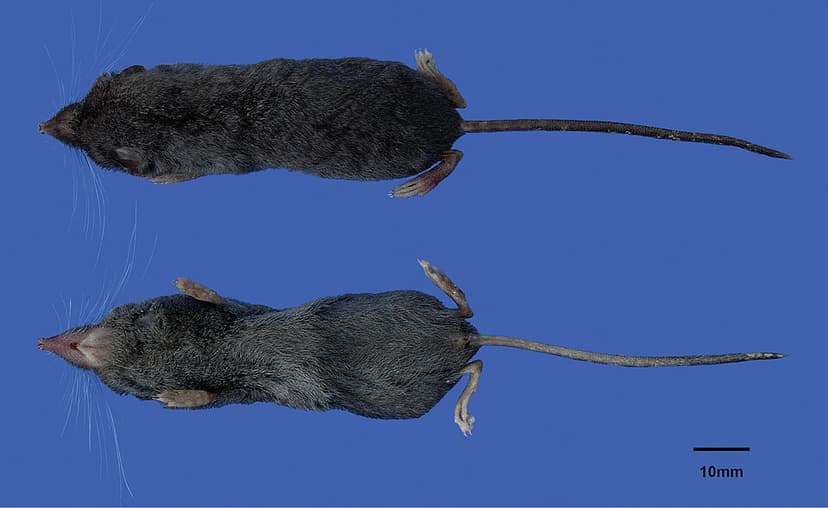
Chodsigoa
Chodsigoa is a genus of shrews belonging to the tribe Nectogalini. This genus is recognized within the family Soricidae and contains ten currently classified species. Historically, Chodsigoa has also been considered a subgenus of the genus Soriculus.
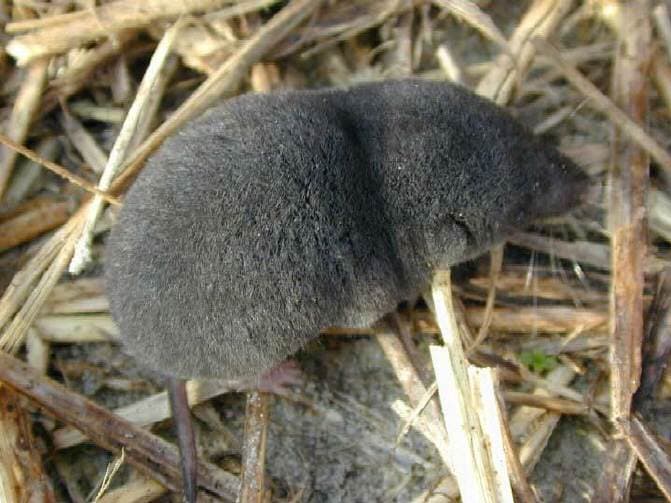
Blarina
Blarina is a genus of relatively large North American shrews characterized by their short tails. These shrews possess toxic saliva, which they use to immobilize their prey, and are known to be reservoirs for diseases like Lyme disease. The genus includes several species, with some facing potential extinction.