
Acanthodactylus schreiberi
Schreiber's fringe-fingered lizard (Acanthodactylus schreiberi) is a species endemic to Cyprus, inhabiting sandy shores, pastures, and plantations. This oviparous lizard is named in honor of Austrian zoologist Egid Schreiber. Its primary threat is habitat loss due to development.
Key Facts
- ›Endemic to the island of Cyprus.
- ›Inhabits sandy shores, pastureland, and plantations.
- ›Named after Austrian zoologist Egid Schreiber.
- ›Reproduction method is oviparous (egg-laying).
- ›Threatened by habitat loss due to development.

Schreiber's Fringe-Fingered Lizard
Cyprus
Habitat Loss, Residential Development, Commercial Development
About Acanthodactylus schreiberi
Schreiber's Fringe-Fingered Lizard
Schreiber's fringe-fingered lizard, scientifically known as Acanthodactylus schreiberi, is a species of lizard that is native to the island of Cyprus. This species is a member of the Lacertidae family.
Etymology
The common name and scientific name, schreiberi, are both in honor of the Austrian zoologist Egid Schreiber (1836-1913), who authored the significant work Herpetologia Europaea.
Habitat and Distribution
Acanthodactylus schreiberi is endemic to Cyprus. Its natural habitats are characterized by sandy shores, pastureland, and plantations.
Reproduction
This lizard species is oviparous, meaning it reproduces by laying eggs. Specific details regarding its reproductive cycle, such as clutch size or incubation periods, are not elaborated upon in the available information.
Conservation Status
Schreiber's fringe-fingered lizard faces threats primarily from habitat loss. This loss is a direct consequence of ongoing residential and commercial development, which encroaches upon its natural living environments.
Source: Wikipedia ↗
Frequently Asked Questions
Where is Schreiber's fringe-fingered lizard found?
Schreiber's fringe-fingered lizard is endemic to Cyprus. Its natural habitats include sandy shores, pastureland, and plantations on the island.
What does Schreiber's fringe-fingered lizard eat?
Specific details about the diet of Schreiber's fringe-fingered lizard are not provided in the available information. Further research would be needed to determine its dietary habits.
What are the main threats to Schreiber's fringe-fingered lizard?
The primary threat identified for Schreiber's fringe-fingered lizard is habitat loss. This is largely attributed to residential and commercial development encroaching on its natural environments.
How does Schreiber's fringe-fingered lizard reproduce?
Schreiber's fringe-fingered lizard reproduces oviparously, meaning it lays eggs. Specific details regarding clutch size or incubation periods are not mentioned.
Why is it called Schreiber's fringe-fingered lizard?
The species is named in honor of the Austrian zoologist Egid Schreiber (1836-1913), who was the author of 'Herpetologia Europaea'.
Related Lizards
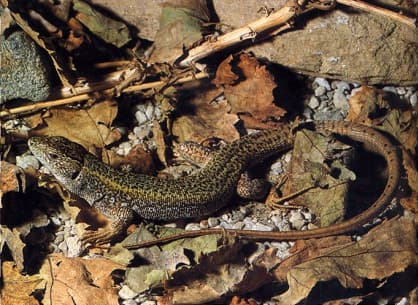
Balkan green lizard
The Balkan green lizard (Lacerta trilineata) is a widespread lizard species found throughout the Balkans and parts of the Eastern Mediterranean. It inhabits diverse environments such as Mediterranean shrubland, sandy shores, and agricultural areas. A key characteristic is its reproductive cycle, which typically spans from April to July, with individuals reaching sexual maturity around 80 millimeters in body size.

East Canary gecko
The East Canary gecko, also known as the Canary wall gecko (Tarentola angustimentalis), is a species of lizard native to the eastern Canary Islands. This plump, dorsally flattened gecko is characterized by adhesive toe pads, small tubercles on its skin, and variable greyish-brown coloration with darker bars. It inhabits a wide range of environments, from rocky shores and shrubland to urban areas, and is commonly observed at night on walls and ceilings.
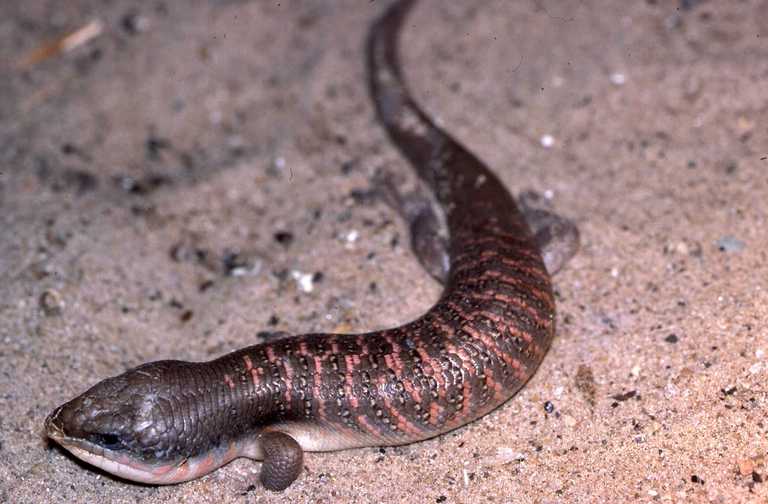
Eumeces algeriensis
Eumeces algeriensis, also known as the Algerian skink or Algerian orange-tailed skink, is a species of skink native to the Maghreb region of North Africa. It inhabits a variety of environments including temperate forests, shrublands, grasslands, and even rural gardens. This oviparous lizard is characterized by its endemic distribution within Algeria and Morocco.