
Eumeces algeriensis
Eumeces algeriensis, also known as the Algerian skink or Algerian orange-tailed skink, is a species of skink native to the Maghreb region of North Africa. It inhabits a variety of environments including temperate forests, shrublands, grasslands, and even rural gardens. This oviparous lizard is characterized by its endemic distribution within Algeria and Morocco.
Key Facts
- ›Endemic to the Maghreb region of North Africa.
- ›Found in Algeria and Morocco.
- ›Inhabits diverse habitats from forests to grasslands and gardens.
- ›Reproduces by laying eggs (oviparous).
- ›Common names include Algerian skink and Algerian orange-tailed skink.
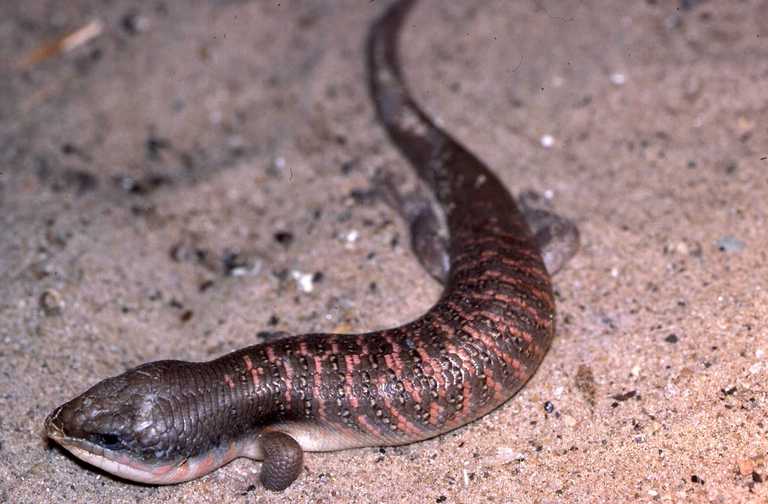
Algerian Skink, Algerian Orange-Tailed Skink, Eumece D'AlgéRie, BuláN
Algeria, Morocco, Melilla
About Eumeces algeriensis
Eumeces algeriensis, known by several common names including the Algerian skink, Algerian orange-tailed skink, and in French as eumece d'Algérie, is a species of skink belonging to the family Scincidae. This lizard is native to the Maghreb region of North Africa.
Geographic Range and Habitat
The natural distribution of Eumeces algeriensis is confined to Algeria and Morocco, including the Spanish exclave of Melilla. This species exhibits a preference for a diverse array of habitats, thriving in environments such as temperate forests, Mediterranean-type shrubby vegetation, and temperate grasslands. Its adaptability is further demonstrated by its presence in sandy shores, arable land, pastureland, plantations, and even rural gardens, indicating a capacity to coexist with human activity.
Reproduction
Eumeces algeriensis is an oviparous species, meaning it reproduces by laying eggs. Specific details regarding clutch size, incubation periods, or the exact number of offspring are not extensively documented in the available information.
Source: Wikipedia ↗
Frequently Asked Questions
What is Eumeces algeriensis commonly known as?
Eumeces algeriensis is commonly known as the Algerian skink or the Algerian orange-tailed skink. It also has common names in French as eumece d'Algérie and in Spanish as bulán.
Where is the Algerian skink found?
The Algerian skink is endemic to the Maghreb region of North Africa. Its natural range includes Algeria and Morocco, extending to the Spanish exclave of Melilla.
What types of habitats does Eumeces algeriensis prefer?
This skink is adaptable and can be found in a range of natural and human-influenced habitats. These include temperate forests, Mediterranean shrubland, temperate grasslands, sandy shores, arable land, pastures, plantations, and rural gardens.
How does Eumeces algeriensis reproduce?
Eumeces algeriensis reproduces by laying eggs. It is classified as an oviparous species.
Related Lizards

Chalcides striatus
The western three-toed skink (Chalcides striatus) is a lizard found in the Iberian Peninsula, southern France, and northwestern Italy. It superficially resembles a snake due to its tiny limbs, but possesses smooth, glossy skin with a silvery or bronze coloration marked by longitudinal dark lines. This secretive species inhabits damp, sunny areas with dense low vegetation and feeds on invertebrates.
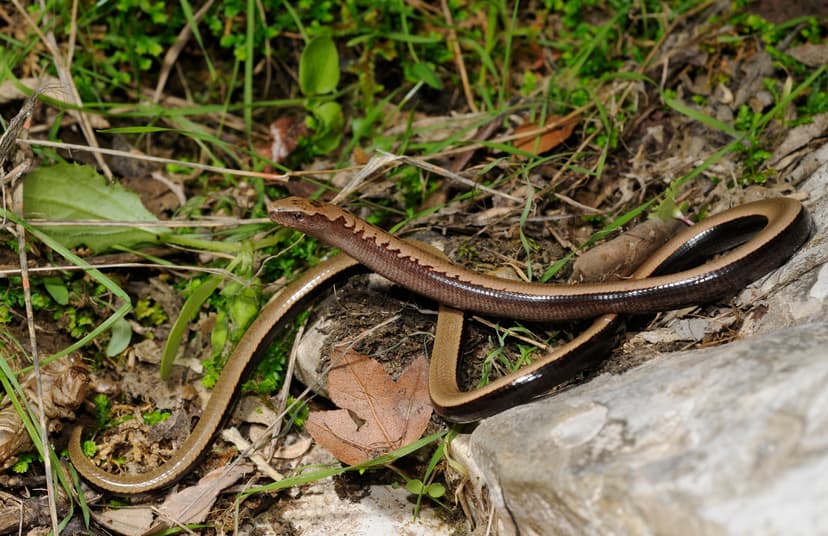
Peloponnese slowworm
The Peloponnese slow worm (Anguis cephallonica) is a legless lizard endemic to specific regions of Greece, including the Peloponnese peninsula and the Ionian islands of Cephalonia, Ithaca, and Zakynthos. This species is distinguished by a higher number of scale rows around its body and a unique chocolate-brown lateral stripe, and it gives birth to live young.

Psammodromus hispanicus
The Spanish psammodromus (Psammodromus hispanicus) is a small, slender lizard found across the Iberian Peninsula and along the Mediterranean coast of France. Characterized by its keeled, overlapping scales and distinctive blotchy coloration, it inhabits dry, open Mediterranean areas, including sandy shores and grasslands. This species is active during the day and feeds primarily on insects and spiders, facing threats from habitat loss.