
Aqaba agama
Pseudotrapelus aqabensis·Agamidae
The Aqaba agama (Pseudotrapelus aqabensis) is a species of lizard belonging to the agama family, found in arid regions of southern Jordan, Egypt's Sinai Peninsula, Israel, and northern Saudi Arabia. Its scientific name derives from the location where its holotype was discovered, Aqaba.
Key Facts
- ›Native to arid environments in Jordan, Egypt (Sinai), Israel, and Saudi Arabia.
- ›Its binomial name, aqabensis, honors the type locality of Aqaba.
- ›Belongs to the agama family.
- ›Found in southern Jordan and northern Saudi Arabia.

Aqaba Agama
Jordan, Egypt, Israel, Saudi Arabia
About Aqaba agama
Aqaba Agama (Pseudotrapelus aqabensis)
The Aqaba agama, scientifically known as Pseudotrapelus aqabensis, is a lizard species native to the arid landscapes of southern Jordan, the Sinai Peninsula in Egypt, Israel, and northern Saudi Arabia. This species is a member of the Agamidae family, commonly referred to as agamas.
Etymology
The specific epithet, aqabensis, directly references the type locality where the holotype specimen was discovered, the city of Aqaba. This naming convention highlights the geographical origin of the species' scientific description.
Source: Wikipedia ↗
Frequently Asked Questions
What is the scientific name for the Aqaba agama?
The scientific name for the Aqaba agama is Pseudotrapelus aqabensis. This binomial name is derived from the Latinized form of its scientific classification and a specific geographical location.
Where is the Aqaba agama found?
The Aqaba agama is native to the arid regions of southern Jordan, the Sinai Peninsula in Egypt, Israel, and northern Saudi Arabia. These locations share similar desert or semi-desert characteristics.
Why is it called the Aqaba agama?
The common name, Aqaba agama, and its scientific species name, aqabensis, are both derived from the city of Aqaba. This is where the holotype specimen, the original example used to describe the species, was found.
Related Lizards

Alsophylax pipiens
Alsophylax pipiens, commonly known as the even-fingered gecko, is a small gecko species found across Central Asia. It inhabits desert and arid regions, characterized by its modest size and adaptations for survival in harsh environments. This species is part of the Gekkonidae family.

Central Netted Dragon
The Central Netted Dragon is a medium-sized lizard native to arid and semi-arid regions of Australia, characterized by a distinctive net-like pattern on its reddish-brown to orange-brown body. It is a diurnal, terrestrial species known for its burrowing behavior and a diet that includes insects and vegetation. These dragons are popular pets and are commonly found in zoos.
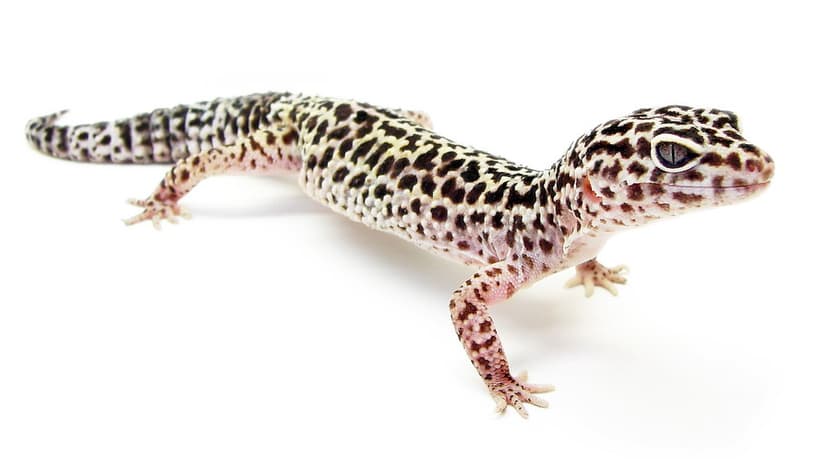
Common leopard gecko
The common leopard gecko (Eublepharis macularius) is a ground-dwelling lizard native to the arid regions of South Asia, including Afghanistan, Pakistan, India, and Nepal. Known for its distinctive spotted patterns and thick, fat-storing tail, it is a popular pet, often considered the first domesticated lizard species. These geckos are primarily nocturnal and opportunistic predators, feeding on invertebrates and small vertebrates.