
Common leopard gecko
The common leopard gecko (Eublepharis macularius) is a ground-dwelling lizard native to the arid regions of South Asia, including Afghanistan, Pakistan, India, and Nepal. Known for its distinctive spotted patterns and thick, fat-storing tail, it is a popular pet, often considered the first domesticated lizard species. These geckos are primarily nocturnal and opportunistic predators, feeding on invertebrates and small vertebrates.
Key Facts
- ›Native to dry, rocky grassland and desert regions of South Asia.
- ›Possess a thick tail used for storing fat reserves as an energy source.
- ›Can voluntarily detach their tails (autotomy) as a defense mechanism, which can regenerate.
- ›Exhibit temperature-dependent sex determination during incubation.
- ›Are considered one of the first domesticated lizard species due to extensive captive breeding.
- ›Have mobile eyelids, distinguishing them from many other gecko species.
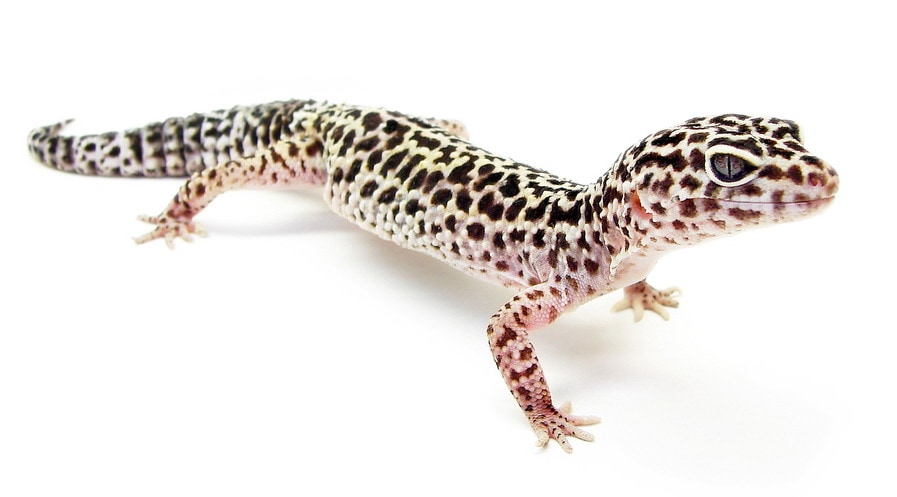
Common Leopard Gecko
Afghanistan, Pakistan, India, Nepal, Iran
- Small Lizards With A Base Coloration Ranging From Yellow To Brownish-Orange.
- Covered In Distinctive Dark Spots On the Dorsal Region.
- Hatchlings Measure 7-10 cm and Weigh 2-5 Grams.
- Adult Females Are Typically 18-20 cm Long and Weigh 50-70 Grams.
- Adult Males Are Typically 20-28 cm Long and Weigh 60-80 Grams.
- Lack Adhesive Lamellae On Their Toes, Preventing Them From Climbing Smooth Vertical Surfaces.
- Possess Thick Tails That Store Fat.
- Regenerated Tails Are Often Stumpy, Smoother, and Wider Than Original Tails.
Invertebrates, Small Vertebrates
- Primarily Nocturnal Or Crepuscular.
- Retreat To Burrows and Sheltered Spots During the Day.
- Can Vocalize When Confronted By Predators.
- Exhibit Caudal Autotomy As A Defense Mechanism.
- Males Can Display Aggressive Behavior Towards Other Males.
- Males Exhibit Courtship Behavior Towards Females.
About Common leopard gecko
The common leopard gecko, scientifically known as Eublepharis macularius, is a ground-dwelling lizard recognized for its distinctive spotted patterns and its status as one of the first domesticated lizard species. Native to the arid and semi-arid rocky dry grassland and desert regions of South Asia, including countries like Afghanistan, Pakistan, India, and Nepal, these geckos are well-adapted to their harsh environments.
Key Characteristics and Habitat
Leopard geckos are distinguished by their mobile eyelids, a trait that sets them apart from many other gecko species. Their coloration typically ranges from yellow to brownish-orange, adorned with characteristic spots, though extensive captive breeding has led to a wide variety of morphs. They inhabit areas with sparse vegetation and prefer clay or sandy soils, often seeking refuge in rock crevices. Unlike many geckos, their toes lack adhesive lamellae, meaning they cannot climb smooth vertical surfaces.
Behavior and Diet
These geckos are generally considered nocturnal or crepuscular, becoming most active at dusk to avoid the heat of the day and potential predators. They possess a notable defense mechanism: caudal autotomy, the ability to voluntarily detach their tails when threatened. These tails are crucial for storing fat, serving as an energy reserve. Their diet in the wild consists mainly of invertebrates, supplemented opportunistically with small vertebrates.
Reproduction and Lifespan
Leopard geckos reproduce oviparously, with females laying clutches of eggs. A unique aspect of their reproduction is temperature-dependent sex determination, where incubation temperatures influence whether offspring develop as male or female. In the wild, their lifespan averages around 4.9 years, but in captivity, with proper care, they can live for over 20 years, contributing to their popularity as pets.
Source: Wikipedia ↗
Frequently Asked Questions
What is the scientific name for the leopard gecko?
The scientific name for the leopard gecko is Eublepharis macularius. The genus name, Eublepharis, comes from Greek words for 'good eyelid,' referring to their mobile eyelids, and 'macularius' from Latin, meaning 'spot,' referencing their common markings.
Where are leopard geckos found in the wild?
Leopard geckos are native to the rocky, dry grassland, and desert regions of Afghanistan, Pakistan, northwestern India, western Nepal, and parts of Iran. They prefer arid and semi-arid areas with sparse vegetation and clay or sandy soils, often utilizing rocky crevices for shelter.
What do leopard geckos eat?
Leopard geckos are opportunistic predators. Their diet in the wild primarily consists of invertebrates, but they will also consume small vertebrates such as mouse pups, smaller reptiles, and even other young leopard geckos if the opportunity arises.
How long do leopard geckos live?
In the wild, leopard geckos have an average lifespan of approximately 4.9 years. However, with proper care in captivity, they can live for significantly longer, with some individuals exceeding 20 years.
Are leopard geckos venomous?
No, leopard geckos are not venomous. They are docile reptiles that pose no threat to humans and are popular for their manageable temperament.
What are some defense mechanisms of leopard geckos?
Leopard geckos primarily rely on camouflage and hiding during the day to avoid predators. If threatened, they may vocalize and can also detach their tails (autotomy) to distract a predator, allowing them to escape. The detached tail can twitch for a period after separation.
Do leopard geckos have eyelids?
Yes, unlike many other gecko species, leopard geckos possess mobile upper and lower eyelids. This characteristic is a key feature that distinguishes members of their subfamily and is reflected in their scientific genus name, Eublepharis.
Related Lizards
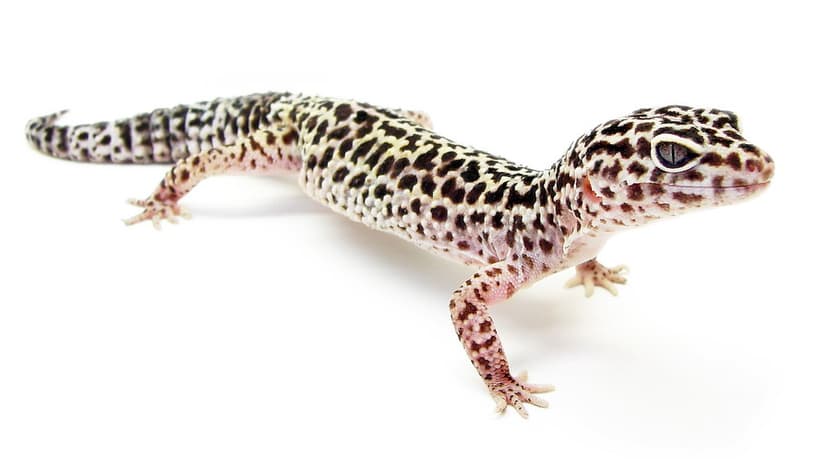
Leopard gecko
The leopard gecko, scientifically known as Eublepharis macularius, is a ground-dwelling lizard native to the dry grasslands and deserts of South Asia. Renowned for its distinctive spotted pattern, it is a popular pet, often considered the first domesticated lizard species. These geckos possess unique features like movable eyelids and thick, fat-storing tails.
Eublepharis macularius
The leopard gecko (Eublepharis macularius) is a ground-dwelling lizard native to the dry grasslands and deserts of South Asia. Known for its distinctive spotted pattern, it is a popular pet and often considered the first domesticated lizard species due to extensive captive breeding. These geckos possess unique features like mobile eyelids and a thick tail used for fat storage.

Steppe-runner
The Steppe-runner is a species of lizard native to a wide range across Eastern Europe and Central Asia. It is characterized by its adaptation to open, arid environments and is known for its agility in escaping predators.