
Bangalore geckoella
The Bangalore geckoella (Cyrtodactylus srilekhae) is a small, nocturnal, terrestrial gecko species endemic to India, specifically found in the Eastern Ghats and the Mysore plateau. It inhabits dense leaf-litter and hides under stones on forest floors. This species is often mistaken for Cyrtodactylus collegalensis.
Key Facts
- ›Belongs to the Gekkonidae family.
- ›Endemic to India, found in the Eastern Ghats and Mysore plateau.
- ›Nocturnal and terrestrial, inhabiting forest floors with leaf litter.
- ›Can reach a snout-to-vent length of up to 5 cm.
- ›Oviparous, meaning it reproduces by laying eggs.
- ›Often confused with Cyrtodactylus collegalensis.
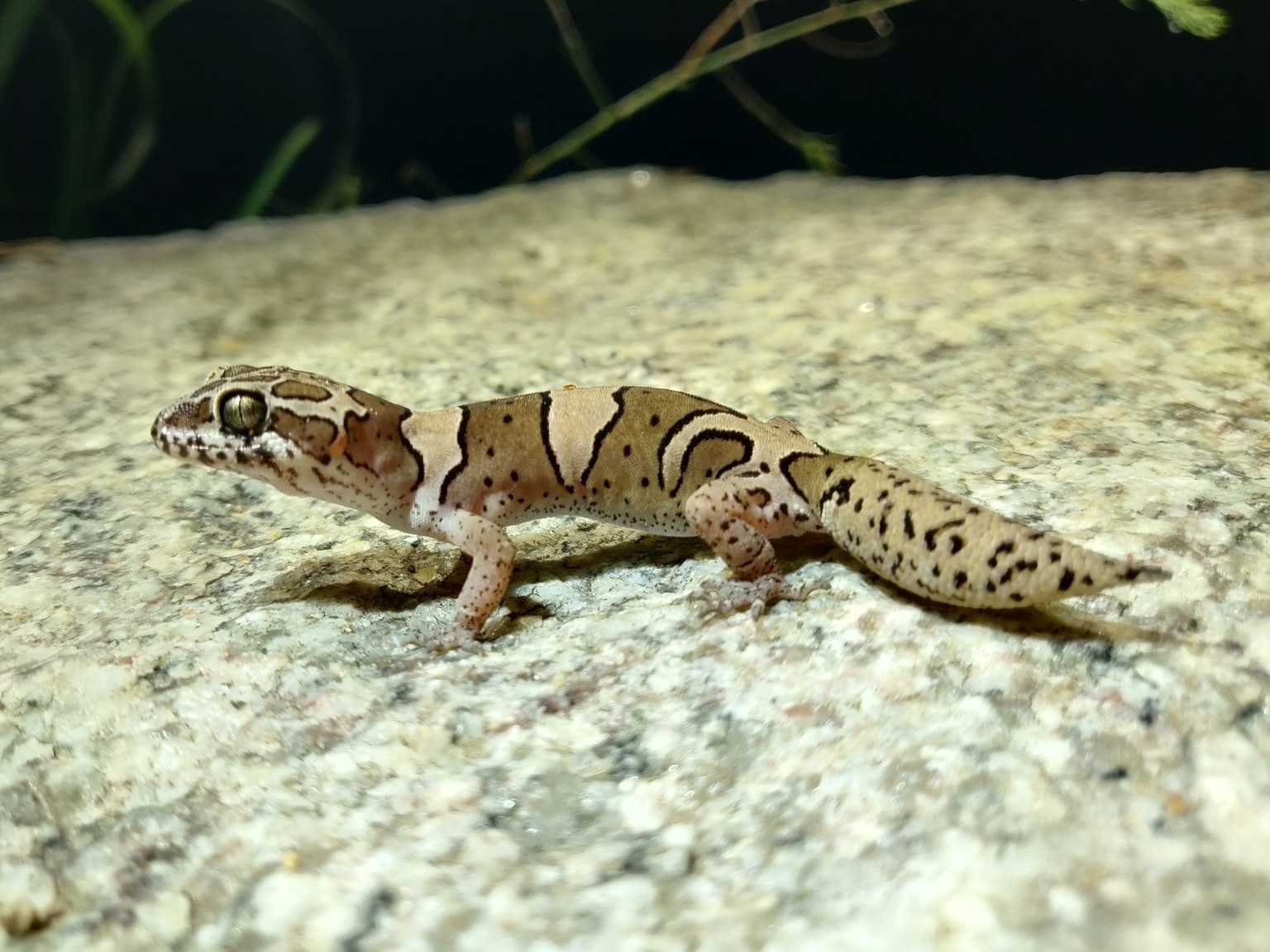
Bangalore Geckoella
India
Forest Floor, Mixed Deciduous Forest, Leaf Litter
Small For Its Genus., May Attain A Snout-To-Vent Length of 5 cm .
Nocturnal, Terrestrial, Hides Under Stones
About Bangalore geckoella
The Bangalore Geckoella (Cyrtodactylus srilekhae)
The Bangalore geckoella, scientifically known as Cyrtodactylus srilekhae, is a species of gecko native to India. This small, nocturnal, and terrestrial lizard belongs to the Gekkonidae family. Its specific name, srilekhae, honors Srilekha Agarwal, the mother of the individual credited with its binomial classification.
Geographic Range and Habitat
This species is endemic to India, with notable populations found in the Eastern Ghats and surrounding hilly terrains, particularly within the Mysore plateau. It has been recorded in the outskirts of Bangalore and adjacent areas along the border of Karnataka and Tamil Nadu states, specifically in the Melagiri hills. The Bangalore geckoella thrives in the forest floor environment of mixed deciduous forests on hill slopes, where it resides among dense leaf-litter and shelters beneath stones.
Physical Characteristics and Reproduction
Considered small for its genus, Cyrtodactylus srilekhae can reach a snout-to-vent length of approximately 5 centimeters (2.0 inches). It is often confused with its close relative, Cyrtodactylus collegalensis. The Bangalore geckoella reproduces by laying eggs, a characteristic known as being oviparous.
Source: Wikipedia ↗
Frequently Asked Questions
What is the scientific name of the Bangalore geckoella?
The scientific name of the Bangalore geckoella is *Cyrtodactylus srilekhae*. This binomial name identifies it specifically within the scientific classification of lizards.
Where is the Bangalore geckoella found?
The Bangalore geckoella is endemic to India. It is primarily found in the Eastern Ghats, parts of the Mysore plateau, and adjacent hilly regions near Bangalore, along the borders of Karnataka and Tamil Nadu states.
What kind of habitat does the Bangalore geckoella prefer?
This lizard inhabits dense leaf-litter and seeks shelter under stones on the forest floor. Its preferred environment is the mixed deciduous forest tracts found on hill slopes.
How large does the Bangalore geckoella get?
The Bangalore geckoella is considered small for its genus. It may attain a snout-to-vent length of up to 5 cm (2.0 inches).
How does the Bangalore geckoella reproduce?
The Bangalore geckoella is oviparous. This means that it reproduces by laying eggs.
What distinguishes the Bangalore geckoella from similar species?
The Bangalore geckoella is often confused with another similar species, *Cyrtodactylus collegalensis*. While both are geckos found in similar regions, specific morphological differences would distinguish them.
Related Lizards

Forest spotted gecko
The forest spotted gecko (Cyrtodactylus speciosus) is a species of gecko native to the hills of South India, found in parts of the Eastern and Western Ghats. This nocturnal, insectivorous lizard lives on the forest floor among leaf litter and pebbles, and reproduces by laying eggs.

Giri's geckoella
Giri's geckoella is a small, nocturnal, and terrestrial gecko species endemic to India. It is characterized by its insectivorous diet and preference for living in dense leaf litter on forest floors. The species is notable for its wide distribution across several Indian states.

Ameiva ameiva
The Ameiva ameiva, commonly known as the giant ameiva or South American ground lizard, is a widespread lizard species found across Central and South America, as well as some Caribbean islands. It is characterized by a streamlined body, vibrant green coloration in males, and a varied diet that includes insects, small vertebrates, and plant matter. These lizards typically inhabit forest floors, seeking shelter under logs and in leaf litter.