
Giri's geckoella
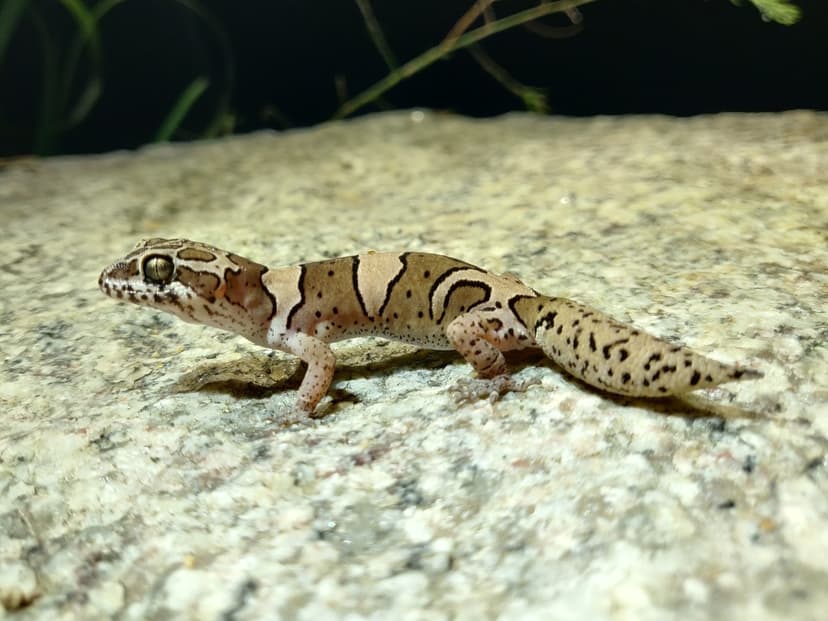
Giri's geckoella is a small, nocturnal, and terrestrial gecko species endemic to India. It is characterized by its insectivorous diet and preference for living in dense leaf litter on forest floors. The species is notable for its wide distribution across several Indian states.
Key Facts
- ›Endemic to India, found in western and central regions.
- ›Nocturnal, insectivorous, and terrestrial.
- ›Inhabits dense leaf litter on forest floors.
- ›Can reach a snout-to-vent length of up to 5.5 cm.
- ›Reproduces by laying eggs (oviparous).

Giri's Bent-Toed Gecko
India
Small For Its Genus., May Attain A Snout-To-Vent Length of 5.5 cm .
Insects
Nocturnal, Terrestrial, Insectivorous
About Giri's geckoella
Giri's geckoella, scientifically known as Cyrtodactylus varadgirii, is a small gecko species endemic to India. It belongs to the family Gekkonidae and is recognized for its wide distribution across several states in western and central India, including Maharashtra, Madhya Pradesh, and Gujarat. This species is named in honor of the Indian herpetologist Varad Giri.
Habitat and Behavior
This lizard is primarily nocturnal, meaning it is most active during the night. Its habitat consists of dense leaf litter found on the forest floor, where it likely finds shelter and hunts for prey. Giri's geckoella is terrestrial, preferring to live on the ground rather than in trees.
Physical Characteristics
As a member of the Cyrtodactylus genus, Giri's geckoella is relatively small. Adult individuals can reach a snout-to-vent length of up to 5.5 cm (approximately 2.2 inches). Specific details regarding its coloration and scale patterns are not extensively detailed in available records.
Diet and Reproduction
Giri's geckoella is insectivorous, subsisting on a diet of insects. Reproduction in this species is oviparous, meaning they reproduce by laying eggs. The exact incubation period and clutch size are not widely documented.
Source: Wikipedia ↗
Frequently Asked Questions
Where is Giri's geckoella found?
Giri's geckoella is found in parts of western and central India. It is widely distributed throughout the state of Maharashtra and also occurs in parts of Madhya Pradesh and Gujarat.
What does Giri's geckoella eat?
Giri's geckoella is an insectivore, meaning its diet primarily consists of insects. It forages for its food on the forest floor.
What is the habitat of Giri's geckoella?
This gecko species is terrestrial and prefers to live in dense leaf litter found on the forest floor. This provides it with shelter and hunting grounds.
How large does Giri's geckoella get?
Giri's geckoella is considered small for its genus. It can attain a snout-to-vent length of up to 5.5 cm (2.2 inches).
Is Giri's geckoella active during the day or night?
Giri's geckoella is a nocturnal species, meaning it is primarily active during the night. This is when it would typically forage for food.
How does Giri's geckoella reproduce?
Giri's geckoella is oviparous, which means it reproduces by laying eggs. The specific details of its nesting habits are not extensively documented.
Related Lizards

Forest spotted gecko
The forest spotted gecko (Cyrtodactylus speciosus) is a species of gecko native to the hills of South India, found in parts of the Eastern and Western Ghats. This nocturnal, insectivorous lizard lives on the forest floor among leaf litter and pebbles, and reproduces by laying eggs.
Bangalore geckoella
The Bangalore geckoella (Cyrtodactylus srilekhae) is a small, nocturnal, terrestrial gecko species endemic to India, specifically found in the Eastern Ghats and the Mysore plateau. It inhabits dense leaf-litter and hides under stones on forest floors. This species is often mistaken for Cyrtodactylus collegalensis.

Ameiva ameiva
The Ameiva ameiva, commonly known as the giant ameiva or South American ground lizard, is a widespread lizard species found across Central and South America, as well as some Caribbean islands. It is characterized by a streamlined body, vibrant green coloration in males, and a varied diet that includes insects, small vertebrates, and plant matter. These lizards typically inhabit forest floors, seeking shelter under logs and in leaf litter.