
Bezy's night lizard
Bezy's night lizard (Xantusia bezyi) is a small, smooth-skinned lizard found in central Arizona. Its habitat includes desert highlands and pine woodlands, where it shelters under exfoliating rock in granite outcrops. Distinctive features include a flattened head, dark splotches on its back, and eyes lacking eyelids with vertical pupils.
Key Facts
- ›Endemic to Arizona.
- ›Found in desert highlands and pine woodlands.
- ›Prefers to shelter under exfoliating rock in granite outcrops.
- ›Diet consists of spiders and insects.
- ›Viviparous reproduction method.
- ›Eyes lack eyelids and have vertical pupils.

Bezy's Night Lizard
Arizona
Desert Highlands, Pine Woodlands, Granite Outcrops
Small, Smooth-Skinned, Gray-Brown To Yellow-Brown Coloration, Measures 1.5 To 2.75 Inches From Nose To Vent, Flattened Head, Dark Splotches On Its Back, Eyes Lack Eyelids, Vertical, Linear Pupils
Spiders, Insects
- Shelters In Rock Crevices During Daylight Hours
About Bezy's night lizard
Bezy's night lizard, scientifically known as Xantusia bezyi, is a small reptile endemic to the state of Arizona in the United States. This species belongs to the family Xantusiidae, commonly referred to as night lizards.
Description and Habitat
This lizard is characterized by its smooth skin and a coloration that ranges from gray-brown to yellow-brown. Adult specimens typically measure between 1.5 to 2.75 inches (38 to 70 mm) in snout-to-vent length. Bezy's night lizard possesses a flattened head and distinctive dark splotches across its back. A notable anatomical feature is its eyes, which lack eyelids and have vertical, linear pupils.
The preferred habitats for Bezy's night lizard are desert highlands and pine woodlands. Within these environments, they are commonly found seeking shelter beneath exfoliating rock formations, particularly in granite outcrops.
Behavior and Diet
During the daylight hours, Bezy's night lizard remains hidden, typically sheltering in rock crevices. Its diet consists primarily of spiders and insects, making it an insectivorous species.
Reproduction
Bezy's night lizard exhibits viviparous reproduction, meaning that the young develop internally within the mother and are born live, rather than hatching from eggs.
Etymology
The common name, Bezy's night lizard, honors the noted American herpetologist Robert Lee Bezy, born in 1941.
Source: Wikipedia ↗
Frequently Asked Questions
What is Bezy's night lizard named after?
Bezy's night lizard is named in honor of the noted American herpetologist Robert Lee Bezy, who was born in 1941.
Where can Bezy's night lizard be found?
This species is endemic to central Arizona. It inhabits desert highlands and pine woodlands.
What kind of habitat does Bezy's night lizard prefer?
Bezy's night lizard prefers desert highlands and pine woodlands. It is typically found sheltering under exfoliating rock formations in granite outcrops within these areas.
What does Bezy's night lizard eat?
The diet of Bezy's night lizard primarily consists of spiders and insects. It is an insectivorous species.
How does Bezy's night lizard reproduce?
Bezy's night lizard reproduces viviparously, meaning the young develop inside the mother and are born live.
What are some physical characteristics of Bezy's night lizard?
Bezy's night lizard is small with smooth skin, measuring 38 to 70 mm from nose to vent. It is gray-brown to yellow-brown, has a flattened head, and features dark splotches on its back. Its eyes lack eyelids and possess vertical, linear pupils.
Related Lizards
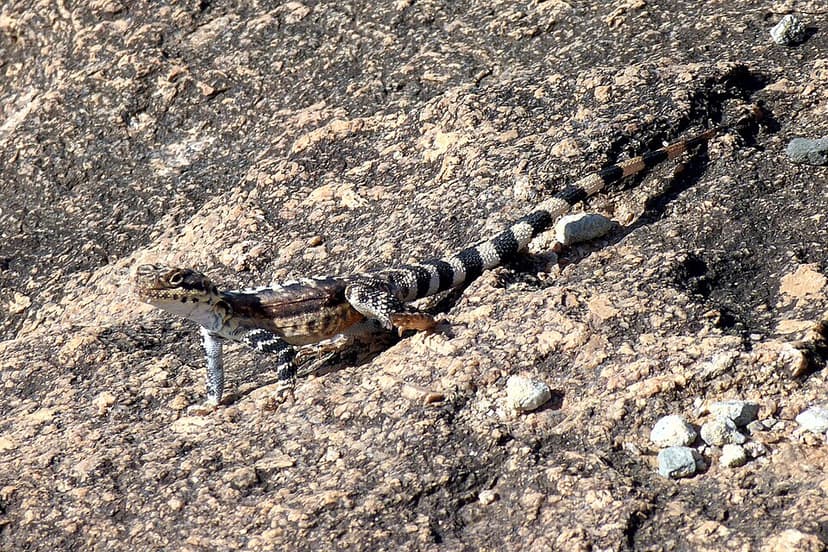
Ornate Crevice-Dragon
The Ornate Crevice-Dragon, also known as the ornate dragon, is a species of lizard belonging to the Agamidae family, endemic to the granite outcrops of Western Australia. It is characterized by its greatly flattened body, a distinctly banded tail, and a common habit of head-bobbing when basking.
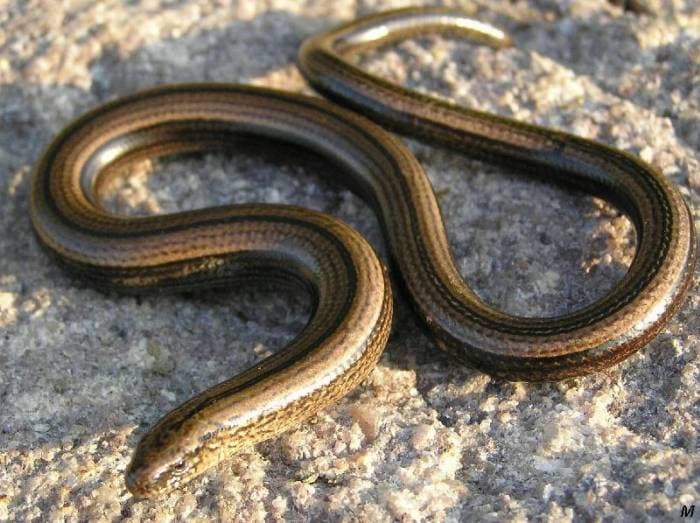
Anguis
Anguis, commonly known as slow worms, are a genus of legless lizards that are often mistaken for snakes. They are characterized by their grey-brown coloration, with females often exhibiting a coppery sheen and males displaying blue spots, especially during breeding season. These lizards inhabit a variety of warm, protected environments across Europe and parts of Asia, feeding primarily on invertebrates.

Carinascinus greeni
The alpine cool-skink (Carinascincus greeni), also known as the northern snow skink, is a viviparous lizard endemic to the alpine regions of Tasmania, Australia. It is characterized by small, dark scales with pale green to bronze spots and inhabits rocky banks of streams, swamps, and boulder fields above 1,000 meters. This species faces threats from climate change, which is shrinking its cool habitat and potentially allowing lowland species to encroach.