
Coleonyx brevis
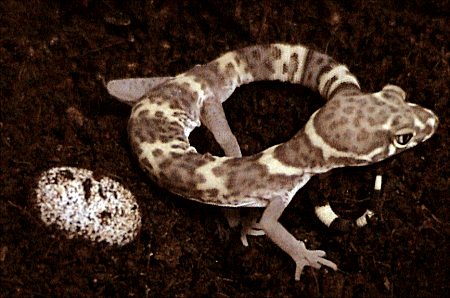
The Texas banded gecko (Coleonyx brevis) is a small, terrestrial lizard native to the southwestern United States and northern Mexico. It is characterized by distinct alternating bands of yellow and brown or pink, often with black accents. These geckos are primarily nocturnal and carnivorous, inhabiting semi-arid regions, frequently found near rock piles or canyon crevices.
Key Facts
- ›Small terrestrial lizards, rarely exceeding 4 inches (10 cm) in length.
- ›Exhibit alternating yellow and brown/pink bands with black speckling.
- ›Found in western Texas, southeastern New Mexico, and parts of northern Mexico.
- ›Primarily nocturnal and carnivorous, feeding on small arthropods.
- ›Can vocalize with squeaking noises, especially when handled.
- ›Lay one or two large eggs relative to their body size.
Texas Banded Gecko
United States, Mexico
Semi-Arid Habitats, Rock Piles, Canyon Crevices
- Small, Terrestrial Lizards.
- Rarely Exceed 4 Inches In Length.
- Alternating Bands of Yellow and Brown Or Pink Coloration Along the Body.
- Generally Have Black Accenting On the Bands.
- May Exhibit Varying Degrees of Black Speckling.
- Hatchlings and Juveniles Display A Distinct Banded Pattern, Which Becomes More Mottled In Adults.
Small Arthropods
- Primarily Nocturnal.
- Carnivorous.
- Capable of Vocalizing, Emitting Squeaking Noises When Harassed Or Handled.
About Coleonyx brevis
Texas Banded Gecko (Coleonyx brevis)
The Texas banded gecko, scientifically known as Coleonyx brevis, is a small, distinctive lizard native to the arid and semi-arid regions of the southwestern United States and northern Mexico. Its common name derives from its striking appearance, featuring alternating bands of yellow and brown or pink, often accentuated by black speckling. These geckos are well-adapted to their environment and are typically found seeking refuge among rock piles or within the sheltered crevices of canyons.
Description and Characteristics
Coleonyx brevis is a terrestrial species, rarely growing to lengths exceeding 4 inches (approximately 10 cm). While juveniles display a more pronounced banded pattern, this coloration tends to become more mottled as the gecko matures into adulthood. They are primarily nocturnal, meaning they are most active during the night, which aids them in their hunting for small arthropods, their main food source. Despite their small size, they are capable of vocalizing, often emitting noticeable squeaking sounds when they feel threatened or are handled.
Habitat and Distribution
The natural range of the Texas banded gecko encompasses western Texas and southeastern New Mexico in the United States. In Mexico, they are found in the northern states of Chihuahua, Coahuila, Nuevo León, and Durango. Their preferred habitat is semi-arid, and they are frequently observed in close proximity to rock formations and canyon walls, which provide both shelter from the elements and protection from predators.
Reproduction and Captivity
Reproduction typically occurs in the late spring. Female Texas banded geckos lay one or two eggs, which are notably large in proportion to the gecko's own body size. While not commonly encountered in captivity, their small stature and generally docile nature suggest they could make suitable pets for experienced keepers. Information regarding specific conservation status is not prominently detailed, and they are not currently listed as endangered.
Source: Wikipedia ↗
Frequently Asked Questions
What does a Texas banded gecko look like?
The Texas banded gecko is a small lizard, typically under 4 inches long. It has a distinctive pattern of alternating yellow and brown or pink bands along its body, often accented with black speckling. Juveniles have a clearer banded pattern that becomes more mottled in adults.
Where are Texas banded geckos found?
These geckos are native to semi-arid regions in the southwestern United States, specifically western Texas and southeastern New Mexico. They are also found in northern Mexico, including the states of Chihuahua, Coahuila, Nuevo León, and Durango.
What is the habitat of the Texas banded gecko?
Texas banded geckos prefer semi-arid environments. They are commonly found in areas with rock piles or within the crevices of canyons, where they can find shelter and suitable hunting grounds.
What do Texas banded geckos eat?
As primarily carnivorous animals, Texas banded geckos consume a diet consisting of almost any small arthropods they can catch. Their nocturnal nature aids them in hunting these prey items.
Are Texas banded geckos social or do they make noise?
Texas banded geckos are generally solitary but are capable of vocalizing. They are known to emit squeaking noises, particularly when they feel threatened or are being handled by humans.
How do Texas banded geckos reproduce?
Reproduction for the Texas banded gecko typically occurs in the late spring. Females lay one or two eggs, which are notably large in proportion to the gecko's small body size.
Are Texas banded geckos endangered?
According to available information, the Texas banded gecko does not hold any particular conservation status. They are not frequently encountered in captivity, and their wild populations are not listed as threatened.
Related Lizards
Eastern fence lizard
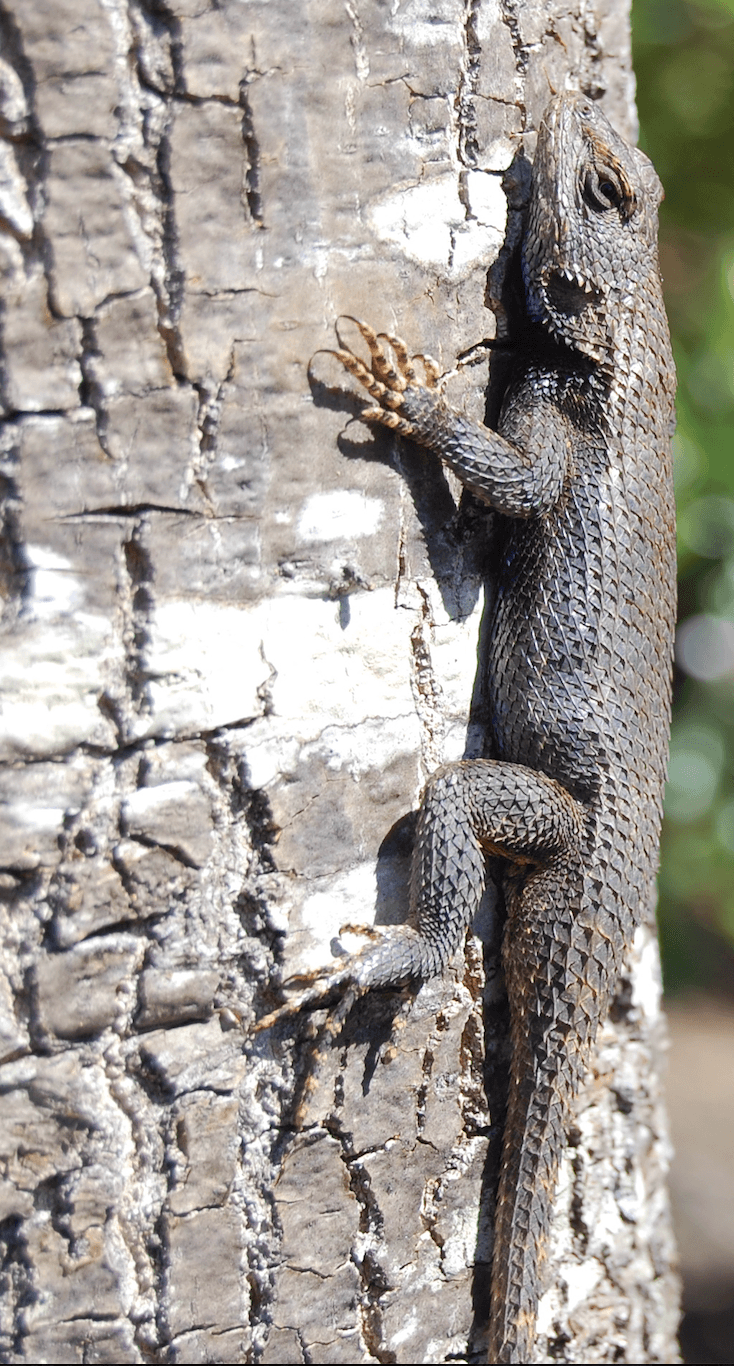
The eastern fence lizard is a medium-sized lizard found in the eastern United States, known for its keeled scales and distinctive coloration that varies between sexes. It inhabits forest edges, rock piles, and areas with coarse woody debris, often basking on structures like fence posts. A notable behavior is its escape response to fire ants, involving body twitches before fleeing.

Cyprus rock agama
The Cyprus rock agama is a species of agamid lizard endemic to the island of Cyprus. It inhabits a variety of rocky environments, from arid to Mediterranean habitats, and has adapted well to human presence in towns and agricultural areas. This diurnal lizard is primarily insectivorous but also consumes small vertebrates and fruits.
Aspidoscelis neomexicana
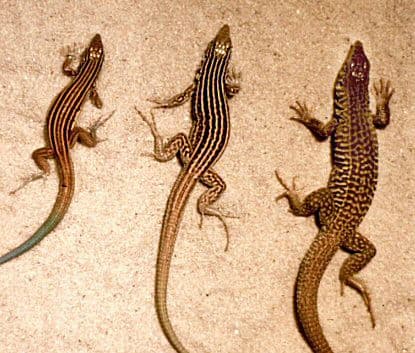
The New Mexico whiptail (Aspidoscelis neomexicana) is a unique, all-female lizard species native to the southwestern United States and northern Mexico, notable for its parthenogenetic reproduction. Characterized by its slender body, seven pale yellow stripes, and a blue or blue-green throat, this diurnal lizard inhabits a variety of semi-arid environments.