
Cordylidae
egg-laying and ovoviviparous
Cordylidae, commonly known as girdled lizards, spinytail lizards, or girdle-tail lizards, are a family of small to medium-sized lizards native to southern and eastern Africa. They are characterized by their flattened bodies, armored scales, and often spiny tails, which aid in defense and securing themselves in crevices. These diurnal and insectivorous lizards are primarily terrestrial, inhabiting rocky terrain, though some species may burrow or live in trees.
Key Facts
- ›Native to southern and eastern Africa.
- ›Commonly called girdled lizards, spinytail lizards, or girdle-tail lizards.
- ›Possess flattened heads and bodies with heavy armor of osteoderms and large, rectangular scales.
- ›Many species have spiny tails to aid in wedging into crevices and deterring predators.
- ›Primarily diurnal and insectivorous.
- ›Mostly terrestrial, inhabiting rocky terrain, with some species burrowing or living in trees.

Girdled Lizards, Spinytail Lizards, Girdle-Tail Lizards
Southern Africa, Eastern Africa
- Small To Medium-Sized Lizards.
- Flattened Heads and Bodies.
- Heavy Armor of Osteoderms.
- Large, Rectangular Scales Arranged In Regular Rows.
- Many Species Have Rings of Spines On the Tail.
- Some Species Are Almost Entirely Limbless With Tiny Spikes In Place of Hind Limbs .
Insects
- Diurnal .
- Terrestrial.
- Inhabit Crevices In Rocky Terrain.
- Some Species Dig Burrows.
- Some Species Live Under Exfoliating Bark On Trees.
- Tail Spines Aid In Wedging Into Sheltering Crevices.
- Tail Spines Aid In Dissuading Predators.
About Cordylidae
Cordylidae: The Girdled Lizards
The Cordylidae family, commonly referred to as girdled lizards, spinytail lizards, or girdle-tail lizards, encompasses a group of small to medium-sized reptiles native to southern and eastern Africa.
Description and Behavior
These lizards are characterized by their distinctive flattened heads and bodies, which are protected by heavy armor consisting of osteoderms and large, rectangular scales arranged in orderly rows. A notable feature of many species is the presence of rings of spines on their tails. These spines serve a dual purpose: they help the lizard wedge itself securely into narrow crevices for protection and also act as a deterrent against predators.
Cordylidae are diurnal, meaning they are active during daylight hours, and are primarily insectivorous, feeding on insects. Their habitat is predominantly terrestrial, with most species found in rocky terrains where they utilize crevices for shelter. However, some members of the family have adapted to other environments, with at least one species known to dig burrows and another inhabiting the space under exfoliating bark on trees.
Taxonomy and Relatives
Cordylidae is closely related to the family Gerrhosauridae, another group of African and Madagascan lizards. Together, these two families form the clade known as Cordyliformes or Cordyloidea. Modern molecular analyses have confirmed this grouping and placed it within a larger clade that includes the Xantusiidae family.
Source: Wikipedia ↗
Frequently Asked Questions
What are girdled lizards commonly called?
Girdled lizards are commonly known by several names, including spinytail lizards and girdle-tail lizards. These names reflect their distinctive physical characteristics.
Where do cordylid lizards live?
The Cordylidae family is found in southern and eastern Africa. They are primarily terrestrial and often inhabit rocky environments.
What are the key physical features of girdled lizards?
Girdled lizards have flattened heads and bodies, covered in heavy armor made of osteoderms and large, rectangular scales arranged in regular rows. Many species also have spiny tails.
Are girdled lizards active during the day or night?
Girdled lizards are diurnal, meaning they are active during the daytime. Their behavior and foraging patterns are centered around daylight hours.
What do cordylid lizards eat?
Cordylid lizards are insectivorous, which means their diet primarily consists of insects. They are active hunters that forage for their prey.
Do all girdled lizards have tails with spines?
Many species within the Cordylidae family possess rings of spines on their tails. These spines are crucial for defense and for helping the lizard wedge itself into protective crevices.
How do girdled lizards protect themselves?
Girdled lizards are protected by their tough, armored scales and often by the spines on their tails. The spiny tail can be used to wedge into rock crevices, making it difficult for predators to extract them.
Related Lizards

Aspidoscelis gularis
The Texas spotted whiptail (Aspidoscelis gularis) is a long-tailed lizard native to the south-central and southwestern United States and northern Mexico. Characterized by its tan brown or green-brown coloration with seven distinct stripes and light spots, it is highly active and found in diverse habitats. This diurnal and insectivorous species is known for its quick movements and ability to shed its tail as a defense mechanism.
Common spotted whiptail
The Texas spotted whiptail is a long-tailed lizard species found in the south central and southwestern United States and northern Mexico. It is characterized by its tan brown or green-brown coloration with seven distinct grey or white stripes, and a long tail often three times the body length. This diurnal and insectivorous lizard thrives in diverse habitats, from grasslands to rocky terrains, and is known for its ability to shed its tail as a defense mechanism.
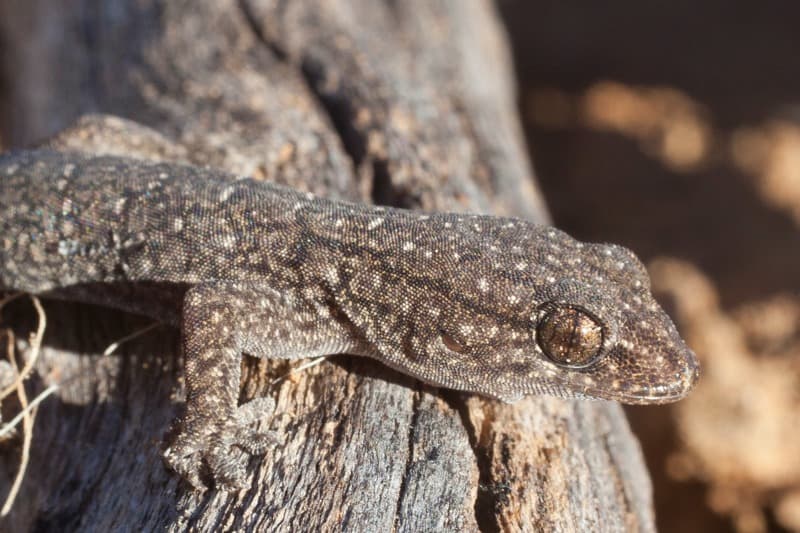
Gehyra variegata
Gehyra variegata, also known as the tree dtella, is a gecko species native to inland Australia. This lizard is characterized by its highly variable dorsal coloration, ranging from grey to brown with blotches or spots, and its ability to climb using specialized toe pads. It inhabits arid to sub-humid woodlands, shrublands, and rocky areas, demonstrating adaptability to disturbed land.