
Cordylus angolensis
The Angolan girdled lizard (Cordylus angolensis), also known as the Angolan spiny-tailed lizard, is a species endemic to Angola. This lizard is ovoviviparous, with females retaining eggs internally until they hatch.
Key Facts
- ›Scientific name: Cordylus angolensis
- ›Endemic to Angola.
- ›Reproduction method: Ovoviviparous.
- ›Distinctive name: Angolan spiny-tailed lizard.
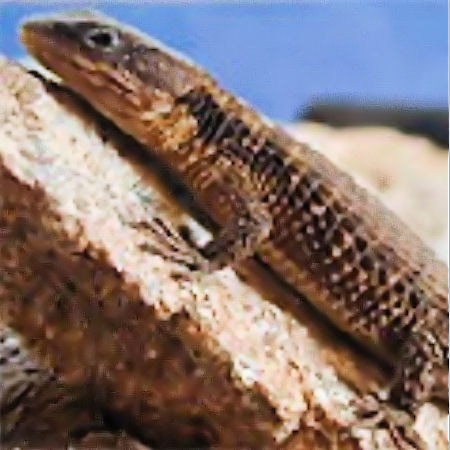
Angolan Spiny-Tailed Lizard
Angola
About Cordylus angolensis
Angolan Girdled Lizard (Cordylus angolensis)
The Angolan girdled lizard, scientifically known as Cordylus angolensis, is a reptile species notable for its specific geographic origin. It is also commonly referred to as the Angolan spiny-tailed lizard, a name that further highlights its distribution and a potential physical characteristic.
Endemic to Angola
As its names suggest, Cordylus angolensis is found exclusively in Angola. This endemic nature means that the species' entire natural range is confined to this Southern African nation, making its conservation and study particularly tied to the Angolan environment.
Reproduction
A key biological characteristic of the Angolan girdled lizard is its reproductive strategy. The species is ovoviviparous. This reproductive method involves the female retaining eggs within her body, where they develop until they are ready to hatch. The young are then born live, rather than hatching from eggs laid externally by the mother.
Source: Wikipedia ↗
Frequently Asked Questions
What is the scientific name of the Angolan girdled lizard?
The scientific name of the Angolan girdled lizard is Cordylus angolensis. This binomial nomenclature is used to classify the species within the genus Cordylus.
Where is the Angolan girdled lizard found?
The Angolan girdled lizard is endemic to Angola. Its common names, such as Angolan girdled lizard and Angolan spiny-tailed lizard, reflect its specific geographic origin.
How does the Angolan girdled lizard reproduce?
Cordylus angolensis is ovoviviparous. This means that the females carry the eggs inside their bodies until they are ready to hatch, and then give birth to live young.
Related Lizards

Chalcides sexlineatus
The Gran Canaria skink (Chalcides sexlineatus) is a species of skink endemic to the island of Gran Canaria in the Canary Islands. This lizard is characterized by its flattened body, wide head, and distinctive striping patterns, with variations between subspecies. It inhabits a wide range of environments across the island.

Chalcides simonyi
The Fuerteventura skink (Chalcides simonyi) is an endangered ovoviviparous species of skink found exclusively on the Canary Islands of Fuerteventura and Lanzarote. Characterized by the general skink traits of smaller legs and less pronounced necks, this species inhabits a variety of environments including shrubland, grassland, rocky areas, pastureland, and even urban settings.

Chamaesaura anguina
The Cape grass lizard (Chamaesaura anguina) is a slender, snake-like lizard found in the grasslands of southern Africa. It is ovoviviparous, meaning its eggs hatch internally, and females can breed year-round, an adaptation likely to mitigate losses from wildfires common in its habitat. The species is recognized by three subspecies and is listed as Near Threatened in Eswatini, though globally categorized as Least Concern by the IUCN.