
Desert horned lizard
Phrynosoma platyrhinos·Phrynosomatidae·Not specified in text
The desert horned lizard (Phrynosoma platyrhinos) is a medium-sized lizard native to western North America, known for its flat, broad body and distinctive cranial spines that give it a "horned" appearance. Primarily found in desert climates, they are often found near ant hills, which form a significant part of their diet. These lizards are generally gentle but possess unique defense mechanisms, including puffing up their bodies and, rarely, squirting blood from their eyes.
Key Facts
- ›Distinguished by large, pointed scales on the back of their heads, resembling horns.
- ›Possess a flat, broad body with a single row of fringe scales along the sides.
- ›Their coloration typically blends with the surrounding soil, varying from beige and tan to reddish with darker blotches.
- ›Primarily feed on invertebrates, with ants being a staple, supplemented by some plant material.
- ›Exhibit unique behaviors such as burying themselves in sand, puffing up their bodies when threatened, and a rare form of rain-harvesting.
- ›Unlike some other horned lizards, they rarely resort to squirting blood from their eyes as a defense.
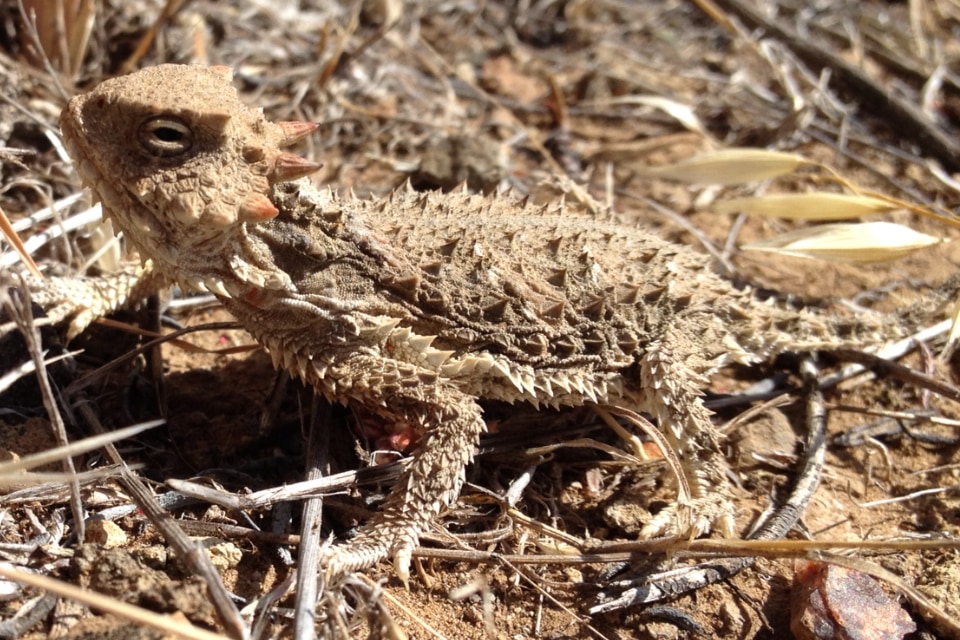
Horny Toads
Southern Idaho, Northern Mexico, Western North America, Great Basin, Southeastern Oregon, California, Western Arizona, Utah, Nevada, Northwestern Sonora, Northeastern Baja California
Desert, Arid Plains, Semi-Arid Plains, Hills, Lower Mountain Slopes, Areas With Fine Sand, Areas With Shrub Covering and An Understory
- Medium-Sized Lizard.
- Flat and Broad Body Shape.
- Large, Pointed Scales Protruding From the Back of the Head, Giving A Horned Appearance.
- One Row of Fringe Scales Down the Sides of the Body.
- One Row of Slightly Enlarged Scales On Each Side of the Throat.
- Coloration Varies But Generally Blends With Surrounding Soil: Beige, Tan, Or Reddish Dorsum.
- Contrasting, Wavy Blotches of Darker Color On the Dorsum.
- Two Prominent Dark Blotches On the Neck, Bordered Posteriorly By White Or Grey.
- Scattered Pointed Scales and Irregular Dark Blotches Along the Dorsum.
- Lack A Prominent Dorsal Stripe; It May Appear Faintly Or Be Entirely Absent.
- Juveniles Have Shorter and Less-Pronounced Cranial Spines Than Adults.
- Horns Are Wide At the Base and Do Not Contact Each Other At the Base.
Invertebrates, Ants, Crickets, Grasshoppers, Beetles, Worms, Flies, Ladybugs, Mealworms, Some Plant Material
- Generally Gentle Species.
- Can Attempt To Push Cranial Spines Into Hands When Held.
- Puff Themselves Up With Air When Excited To Appear Larger.
- Dash Into Bushes To Find Cover When Threatened.
- Most Likely To Run When Startled, But Usually Only For Short Distances.
- Almost Never Squirt Blood From Their Eyes.
- Exhibit Rain-Harvesting Behavior By Adopting Specific Postures.
- Perform Displays For Social Structure, Aggression, and Courtship, Including Push-Ups, Head Bobbing, Tail Movements, and Changes In Posture.
- Displays Are Less Aggressive and Appear Concerned With Sex and Species Recognition.
Insectivore, Granivore
About Desert horned lizard
The desert horned lizard (Phrynosoma platyrhinos) is a distinctive lizard species native to the arid and semi-arid regions of western North America. Often colloquially referred to as "horny toads," these reptiles are easily recognizable by their flattened, broad bodies and the prominent, pointed scales adorning the back of their heads, which give them a horned appearance. Their coloration typically provides excellent camouflage, blending seamlessly with the sandy or rocky soils of their habitat, with variations ranging from beige and tan to reddish hues, often marked with contrasting darker blotches.
Distribution and Habitat
Desert horned lizards are found across a wide geographic range stretching from southern Idaho in the United States down to northern Mexico. They thrive in diverse desert environments, showing a preference for areas with shrub cover and an understory, where they can easily bury themselves in sand or utilize existing burrows. Their range expanded significantly following the end of the Last Glacial Maximum, as desert environments grew more prevalent throughout western North America.
Diet and Behavior
Primarily insectivorous, the desert horned lizard’s diet consists mainly of invertebrates, with ants being a staple food item. They also consume crickets, grasshoppers, beetles, and other small insects, occasionally supplemented with plant material. To cope with the indigestible chitin in ants, they have evolved larger stomachs. Behaviorally, these lizards are generally gentle but possess unique defense mechanisms. They can puff up their bodies when threatened, bury themselves rapidly in sand, and, though rarely, are known to squirt blood from their eyes. They also exhibit interesting behaviors such as rain-harvesting and perform various displays related to social recognition and courtship.
Source: Wikipedia ↗
Frequently Asked Questions
What are the key physical characteristics of the desert horned lizard?
The desert horned lizard is characterized by its flat and broad body, along with prominent, pointed scales on the back of its head, giving it a horned appearance. It also has a single row of fringe scales down its sides and typically exhibits camouflage coloration varying from beige to reddish hues.
Where are desert horned lizards found?
These lizards are native to western North America, with their range extending from southern Idaho in the north to northern Mexico in the south. They are commonly found in desert climates across this region.
What do desert horned lizards eat?
Their diet primarily consists of invertebrates, with a strong preference for ants. They also consume other insects such as crickets, grasshoppers, and beetles, along with some plant material.
How do desert horned lizards defend themselves?
Desert horned lizards have several defense strategies. They can bury themselves in sand to hide, puff up their bodies to appear larger when threatened, and may try to push their cranial spines into an aggressor's hand. Unlike some relatives, they rarely squirt blood from their eyes.
Are there different types of desert horned lizards?
Yes, there are two recognized subspecies: the northern desert horned lizard (Phrynosoma platyrhinos platyrhinos) and the southern desert horned lizard (Phrynosoma platyrhinos calidiarum), which inhabit different geographic areas within the species' overall range.
What is the habitat of the desert horned lizard?
They inhabit diverse desert environments, often preferring areas with shrub cover and an understory. They are commonly found in places where they can bury themselves in sand or utilize burrows dug by other animals.
Related Lizards

Phrynosoma hernandesi
The greater short-horned lizard (Phrynosoma hernandesi) is a widely distributed reptile native to western North America, often called a "horned toad" but not a true toad. It inhabits a variety of environments from arid plains to high mountain forests, distinguished by its flat, squat body, a "crown" of pointed scales on its head, and a snub-nosed profile. This diurnal species primarily feeds on ants and employs camouflage and blood-squirting from its eyes as defense mechanisms.
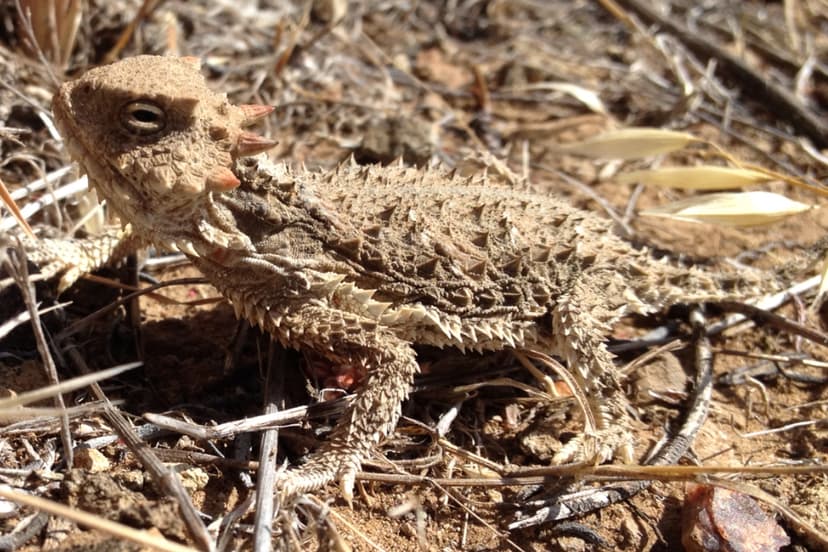
Phrynosoma platyrhinos
The desert horned lizard (Phrynosoma platyrhinos) is a medium-sized lizard native to western North America, characterized by its flat body, fringe scales, and distinctive "horns" formed by large, pointed cranial scales. They inhabit desert climates and arid to semiarid plains, preferring areas with shrub cover and loose soil for burrowing. Primarily feeding on invertebrates, especially ants, these lizards are known for their camouflage and unique defensive behaviors.
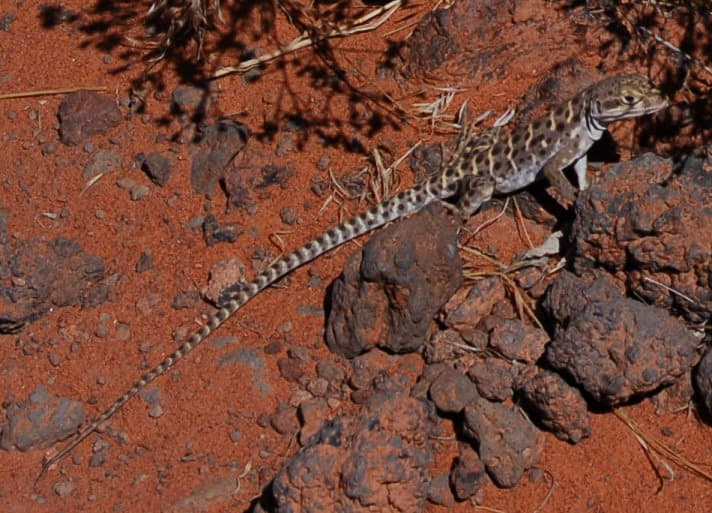
Gambelia wislizenii
The long-nosed leopard lizard (Gambelia wislizenii) is a relatively large North American lizard characterized by its long nose, long round tail, and granular scales that can be white, cream, or gray with irregular dark spots. It inhabits arid and semiarid plains across the western United States and northern Mexico, preferring open, flat areas with scattered low plants. This diurnal species is known for its speed, agility, and unique "freeze" defense mechanism.