
Günther's cylindrical skink
ovoviviparity
Günther's cylindrical skink is a limbless species of skink native to the Near East, specifically found in parts of Israel, Lebanon, Jordan, and Syria. It inhabits wooded or shrubby areas, often burrowing in grasses, and is known for giving birth to live young. The species faces significant threats from habitat loss due to agriculture.
Key Facts
- ›This skink species is characterized by the complete absence of limbs.
- ›Günther's cylindrical skink is found in wooded or shrubby environments and avoids modified habitats.
- ›Females reproduce ovoviviparously, giving birth to an average of three live young.
- ›The species is native to the near East, including northern Israel and southern Lebanon.
- ›Habitat loss from agricultural development poses a major threat to its population.
- ›It is protected by legislation in Israel.

GüNther's Cylindrical Skink
Israel, Lebanon, Jordan, Syria
Completely Limbless.
Burrows In Grasses.
Habitat Loss, Agriculture
About Günther's cylindrical skink
Günther's cylindrical skink, scientifically known as Chalcides guentheri, is a unique species of skink recognized for its complete absence of limbs. This characteristic gives the lizard a distinctive cylindrical shape, setting it apart within the Scincidae family. The species is native to the Near East, with its natural range encompassing northern Israel, southern Lebanon, extreme northwestern Jordan, and southwestern Syria.
Habitat and Behavior
The preferred habitat for Günther's cylindrical skink includes wooded or shrubby areas. They are not adapted to live in modified environments and are known to seek refuge by burrowing into grasses. This behavior suggests a primarily terrestrial and fossorial lifestyle.
Reproduction
Reproductively, Günther's cylindrical skink exhibits ovoviviparity. This means that instead of laying eggs, sexually mature females give birth to live young. On average, females produce a litter of three offspring, ensuring the continuation of the species through direct development.
Conservation Concerns
Günther's cylindrical skink is currently facing significant conservation challenges. The primary threat to its population is extensive habitat loss, largely driven by agricultural development in the regions where it resides. This degradation of its natural environment has led to a noticeable decline in its numbers. In response to these pressures, the species is protected by legislation within Israel, highlighting the efforts being made to conserve this specialized lizard.
Source: Wikipedia ↗
Frequently Asked Questions
What are the defining physical characteristics of Günther's cylindrical skink?
The most distinctive feature of Günther's cylindrical skink is its complete lack of limbs. This characteristic gives it a cylindrical appearance, distinguishing it from many other lizard species.
Where is Günther's cylindrical skink found geographically?
Günther's cylindrical skink is native to the Near East. Its known range includes northern Israel, southern Lebanon, extreme northwestern Jordan, and southwestern Syria.
What kind of habitat does Günther's cylindrical skink prefer?
This skink species prefers wooded or shrubby areas and is not found in habitats that have been modified by human activity. They are also known to burrow in grasses.
How does Günther's cylindrical skink reproduce?
Günther's cylindrical skink reproduces ovoviviparously, meaning the eggs develop inside the mother and she gives birth to live young. Sexually mature females typically give birth to an average of three offspring.
What are the main threats to Günther's cylindrical skink?
The primary threat to Günther's cylindrical skink is major habitat loss, largely due to agricultural expansion in its native regions. This habitat degradation is causing its population to decline.
Is Günther's cylindrical skink protected?
Yes, Günther's cylindrical skink is protected by legislation in Israel. This protection is in response to the significant threats it faces, particularly habitat loss.
Related Lizards

Furcifer lateralis
The carpet chameleon (Furcifer lateralis) is a small chameleon species endemic to eastern Madagascar. Known for its striking coloration, especially in females, it inhabits a variety of environments from forests to gardens. This species is relatively fast-maturing and short-lived, capable of breeding within months of hatching.
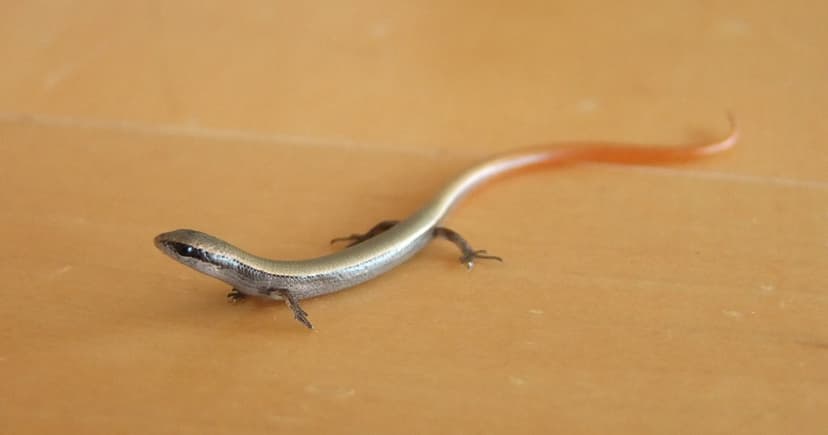
Ablepharus rueppellii
Ablepharus rueppellii, commonly known as Rüppell's snake-eyed skink, is a species of skink native to the Middle East, including Israel, Lebanon, Jordan, and Egypt's Sinai Peninsula. This species is characterized by its preference for leaf litter in forested or shrubby areas, and can also be found in oases and even urban environments in Israel. While generally uncommon, it is protected by legislation in Israel.

Budak's snake-eyed skink
Budak's snake-eyed skink is a species of lizard in the family Scincidae, endemic to the Near East. It prefers the leaf litter of shrubby or forested areas for its habitat. The species was elevated to full species status from a subspecies of Ablepharus kitaibelii in 1997 and is named in honor of herpetologist Abidin Budak.