
Gymnophthalmidae
Gymnophthalmidae, commonly known as spectacled lizards or microteiids, are a diverse family of lizards with at least 250 species found across Central and South America. They are characterized by their transparent, movable lower eyelids, which give them their "spectacled" appearance. These generally small lizards inhabit a wide range of environments, from deserts to rainforests, and are often found on the forest floor.
Key Facts
- ›Possess transparent, movable lower eyelids, earning them the common name "spectacled lizards."
- ›Many species exhibit reduced hind limbs, which is unusual among lizards.
- ›Inhabit diverse environments including deserts, mountains, and rainforests.
- ›Primarily feed on insects and other invertebrates.
- ›All known species are oviparous, meaning they lay eggs.
- ›Related to the Teiidae family but superficially resemble skinks.
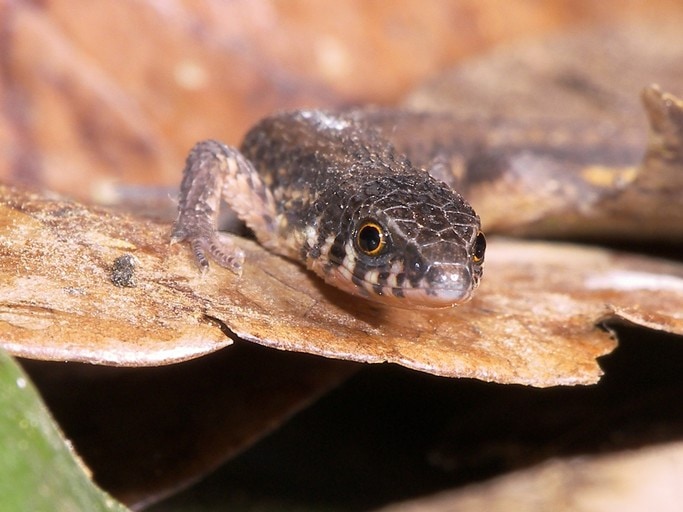
Spectacled Lizards, Microteiids
Central America, South America
Desert, Mountain, Rain Forest, Forest Floor, Wet Areas
- Generally Small Lizards.
- Many Species Have Reduced Limbs, Often the Hind Limbs.
- Possess Smooth Scales.
- Characterized By Transparent, Movable Lower Eyelids.
Insects, Other Invertebrates
- Usually Inhabitants of the Forest Floor.
- Can Be Nocturnal Or Intermittently Active Throughout the Day.
- Often Found Under Logs, Rocks, Or Other Debris.
- Forage For Small Invertebrate Prey.
- Some Species Are Able To Dive To Escape Predators.
Not Specified In Text
Not Specified In Text
About Gymnophthalmidae
What are Spectacled Lizards?
Gymnophthalmidae, commonly known as spectacled lizards or microteiids, constitute a diverse family of lizards with at least 250 recognized species. These reptiles are found across Central and South America, inhabiting a wide array of environments ranging from arid deserts to humid rainforests and mountainous regions.
Key Characteristics
A defining feature of Gymnophthalmids is their transparent and movable lower eyelids, which have earned them the name "spectacled lizards." This unique adaptation allows them to see even when their eyes are closed. In terms of physical form, they are generally small lizards, and unusually, many species exhibit reduced or absent hind limbs, a trait less common in other lizard families. Their scales are typically smooth, giving them a skink-like appearance, though they are more closely related to the Teiidae family.
Habitat and Behavior
Spectacled lizards are predominantly terrestrial, often found on the forest floor or in damp areas associated with tropical forests. Their activity patterns vary, with some species being nocturnal and others active intermittently throughout the day. They are typically observed foraging for their food or hiding under logs, rocks, and other debris for shelter or to escape threats. Some species have developed specialized escape mechanisms, such as the ability to dive.
Diet and Reproduction
The diet of Gymnophthalmids primarily consists of insects and other small invertebrates, making them important predators in their respective ecosystems. All known species within this family are oviparous, meaning they reproduce by laying eggs. This reproductive strategy is common among lizards but highlights their reliance on suitable nesting sites and environmental conditions for successful breeding.
Source: Wikipedia ↗
Frequently Asked Questions
What are spectacled lizards?
Spectacled lizards, belonging to the family Gymnophthalmidae, are a group of at least 250 lizard species found in Central and South America. They are distinguished by their transparent lower eyelids, which allow them to see even when their eyes are closed.
What is unique about their eyelids?
Their most distinctive feature is their transparent lower eyelid, which is movable. This characteristic gives them the common name 'spectacled lizards' and allows them to maintain vision when their eyes are shut.
Where do Gymnophthalmidae lizards live?
This family has a wide geographic distribution, found throughout Central America and South America. They inhabit a variety of environments, including deserts, mountainous regions, and tropical rainforests.
What do spectacled lizards eat?
Their diet primarily consists of insects and other small invertebrates. They are often observed foraging on the forest floor or under debris in search of prey.
Do all Gymnophthalmidae species lay eggs?
Yes, all species within the Gymnophthalmidae family are oviparous. This means they reproduce by laying eggs.
What is the typical habitat for these lizards?
Spectacled lizards are typically found on the forest floor or in wet areas associated with tropical forests. They can also be found in drier environments like deserts and mountainous areas depending on the specific species.
Are spectacled lizards related to skinks?
While they superficially resemble skinks due to their smooth scales, Gymnophthalmids are more closely related to the Teiidae family. Skinks are considered slightly more distant relatives.
Related Lizards

Ocellated gecko
The ocellated gecko (Sphaerodactylus argus) is a small lizard native to the Caribbean and surrounding regions, known for its distinctive eye spots. It primarily inhabits forests, walls, and buildings, feeding on insects and other small invertebrates. This oviparous species has two recognized subspecies and has established populations in areas like the Florida Keys, despite being introduced there.

Varanus flavescens
The yellow monitor (Varanus flavescens), also known as the golden monitor, is a medium-sized lizard native to South Asia, found in the floodplains of major river systems. Characterized by its olive or yellowish-brown coloration with darker markings and a short snout, it inhabits wet areas, forest edges, and near human settlements. This species is primarily threatened by hunting for its meat and skin, as well as habitat encroachment.

Ameiva ameiva
The Ameiva ameiva, commonly known as the giant ameiva or South American ground lizard, is a widespread lizard species found across Central and South America, as well as some Caribbean islands. It is characterized by a streamlined body, vibrant green coloration in males, and a varied diet that includes insects, small vertebrates, and plant matter. These lizards typically inhabit forest floors, seeking shelter under logs and in leaf litter.