
Indian kangaroo lizard (Otocryptis beddomei)
Agasthyagama beddomei·Agamidae
The Indian kangaroo lizard (Otocryptis beddomei) is a species of agamid lizard endemic to the Western Ghats of South India. Formerly classified under the genus Otocryptis, it was moved to the new genus Agasthyagama based on genetic studies. This species is distinguished by its kangaroo-like bipedal locomotion.
Key Facts
- ›Endemic to the Western Ghats of South India.
- ›Formerly classified in the genus Otocryptis.
- ›Moved to the new genus Agasthyagama based on DNA phylogeny.
- ›Known for its bipedal, kangaroo-like movement.
- ›Found largely south of the Shencottah Gap.
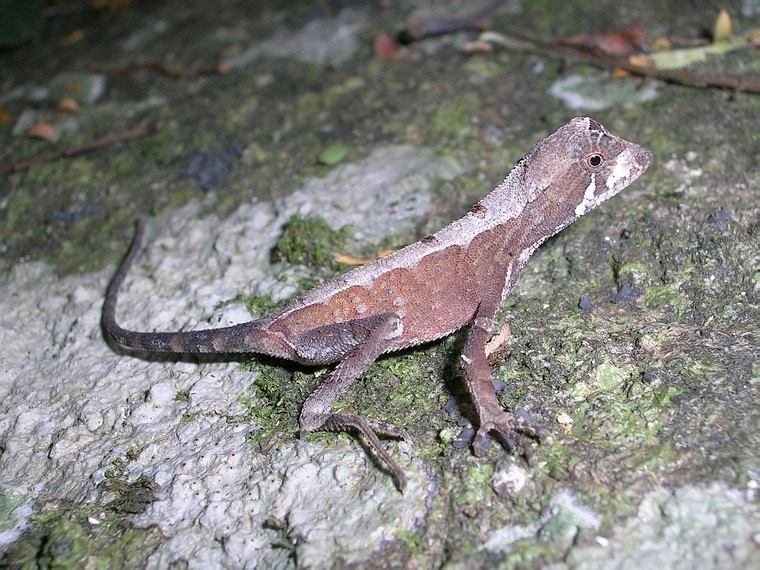
Indian Kangaroo Lizard
Western Ghats, South India
Agamid Lizard Known For Bipedal Locomotion., Distinct From Sri Lankan Otocryptis Species.
- Exhibits Bipedal Locomotion, Similar To Kangaroos.
About Indian kangaroo lizard (Otocryptis beddomei)
What is the Indian kangaroo lizard?
The Indian kangaroo lizard, scientifically classified as Agasthyagama beddomei, is a distinct species of agamid lizard found exclusively within the Western Ghats mountain range of South India. This lizard is notable for its unique mode of locomotion, capable of moving on its hind legs in a manner reminiscent of a kangaroo. It belongs to the genus Agasthyagama, a classification established following genetic research.
Taxonomy and Distribution
Historically, Agasthyagama beddomei was categorized under the genus Otocryptis, which also includes species from Sri Lanka. However, DNA phylogenetic studies revealed that the Sri Lankan Otocryptis species were more closely related to the genus Sitana of peninsular India. This discovery led to the establishment of the new genus Agasthyagama to accommodate the Indian species. Agasthyagama beddomei is primarily found in the southern regions of the Western Ghats, specifically south of the Shencottah Gap. Another related species, Agasthyagama edge, has been documented in the Idukki region.
Source: Wikipedia ↗
Frequently Asked Questions
What is the Indian kangaroo lizard?
The Indian kangaroo lizard, scientifically known as Agasthyagama beddomei, is a species of agamid lizard found exclusively in the Western Ghats of South India. It is recognized for its unique bipedal locomotion, resembling that of a kangaroo.
What is the scientific classification of the Indian kangaroo lizard?
The Indian kangaroo lizard was previously placed in the genus Otocryptis. However, DNA studies indicated its closer relationship to the Indian genus Sitana, leading to its reclassification into the new genus Agasthyagama.
Where in India can the Indian kangaroo lizard be found?
This species is endemic to the Western Ghats of South India. Specifically, Agasthyagama beddomei is found predominantly south of the Shencottah Gap, with another related species, A. edge, found in Idukki.
What are the distinguishing features of the Indian kangaroo lizard?
The most notable characteristic of the Indian kangaroo lizard is its ability to move on its hind legs in a bipedal, kangaroo-like manner. It is part of the Agasthyagama genus, which groups these unique lizards.
Related Lizards

Ablepharus
Ablepharus, commonly known as snake-eyed skinks, are small lizards distinguished by fused eyelids that prevent blinking, similar to snakes. They inhabit dry fields, hills, and rocky areas, often concealed within leaf litter. These skinks possess shiny, bronze scales and a characteristic dark stripe along their sides, feeding primarily on small insects and mollusks.

Anolis carolinensis
The Anolis carolinensis, commonly known as the green anole or Carolina anole, is a small to medium-sized lizard native to the southeastern United States. This arboreal species is recognized for its ability to change color from green to brown, a trait that, along with its expandable throat fan, plays a role in communication and social signaling. It inhabits forests, grasslands, and urban areas with sufficient vegetation and insect prey.

Anolis carolinensis carolinensis
The Anolis carolinensis, commonly known as the green anole or Carolina anole, is a small to medium-sized lizard native to the southeastern United States. It is distinguished by its ability to change color from shades of brown to green, a trait that leads to its common nickname 'American chameleon,' though it is not a true chameleon. These arboreal lizards inhabit forests, grasslands, and can even adapt to urban environments with sufficient vegetation and insect prey.