
Kotschy's gecko
Kotschy's gecko is a slender lizard native to southeastern Europe and the Middle East, characterized by its variable coloration and W-shaped dorsal bands. It inhabits a range of environments from coastal cliffs to building walls, displaying primarily nocturnal behavior. This species is known for its distinctive high-pitched "chick" call and lays two eggs that hatch into juveniles approximately 2 cm long.
Key Facts
- ›Slender body, growing up to 10 cm in length, with females being slightly larger than males.
- ›Variable coloration with a background of yellowish-grey to reddish-black, marked with darker W-shaped transverse bands.
- ›Inhabits diverse environments including cliffs, stony areas, scrub, tree trunks, and walls of buildings.
- ›Primarily nocturnal but can be active during the day in cooler seasons.
- ›Lays two eggs, which hatch after 11-18 weeks into juveniles about 2 cm long.
- ›Listed as 'Least Concern' by the IUCN due to its wide range and commonality.
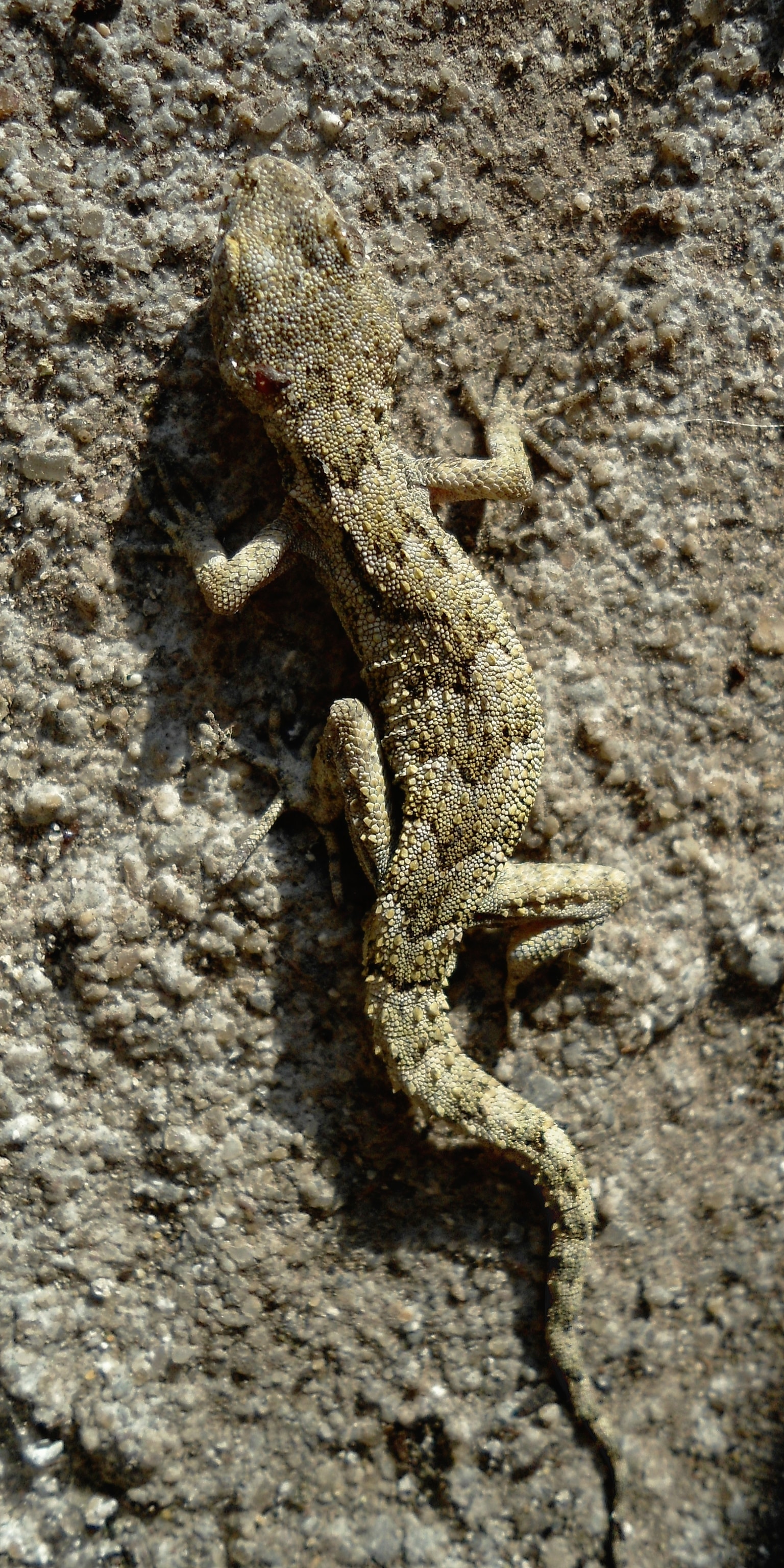
Kotschy's Gecko
Ukraine, Bulgaria, Serbia, North Macedonia, Albania, Greece, Cyprus, Turkey, Syria, Lebanon, Jordan, Israel, Southern Italy
- Slender Lizard
- Grows To About 10 cm In Length, Including Tail
- Females Are Slightly Larger Than Males
- Limbs and Tail Are Slim
- Small Tubercles On the Back and Tail
- Digits Lack Adhesive Pads But Have Relatively Long Toes With A Kink
- Coloration Is Variable: Yellowish-Grey, Greyish-Brown, Dark Brown, Or Reddish-Black Background
- Dorsal Surface Marked With W-Shaped Transverse Bands of Darker Color
- Overall Shade Can Darken In Cool Conditions and Lighten In Heat
- Underparts May Be Yellowish Or Orange
- Insects and Other Small Invertebrates
- May Be Found On Tree Trunks, Suggesting Potential Interaction With Arboreal Insects.
- Mainly Nocturnal, But Can Be Active During the Day In Cooler Seasons
- Good Climber Despite Lacking Adhesive Pads
- Retreats Into Dense Undergrowth, Rock Crevices, Or Clings To Underside of Overhangs When Disturbed
- Infrequently Found In Buildings
- Vocalizes With A Repeated High-Pitched "Chick"
- Calls May Be Used By Males and Females During Courtship
Deforestation
About Kotschy's gecko
Kotschy's gecko, scientifically known as Mediodactylus kotschyi, is a species of lizard belonging to the Gekkonidae family. This slender gecko is native to the southeastern regions of Europe and the Middle East, with its range extending along the coastal areas of the Eastern Mediterranean and Black Seas. It was named in honor of the Austrian botanist and explorer Theodor Kotschy.
Description and Habitat
This species typically grows to about 10 centimeters in length, including its tail, with females generally being slightly larger than males. Its body is slender, featuring slim limbs and tail, and small tubercles on its back and tail. A distinctive characteristic is the coloration, which is quite variable, ranging from yellowish-grey to dark brown or reddish-black, often adorned with darker, W-shaped transverse bands across its dorsal surface. The gecko's coloration can shift, becoming darker in cooler conditions and paler when exposed to heat. Kotschy's gecko is well-adapted to a variety of habitats, including cliffs, dry stony areas, scrubland, tree trunks, and the external and internal walls of buildings. While it can be found at elevations up to 1,700 meters, it is predominantly a lowland species.
Behavior and Reproduction
Kotschy's gecko is primarily nocturnal, though it may exhibit diurnal activity, especially early and late in the day, during cooler periods of the year. Despite lacking adhesive pads on its digits, it is a capable climber. When threatened, it tends to retreat into dense vegetation, seek refuge in rock crevices, or cling to the underside of overhangs. The gecko is known to emit a repeated, high-pitched "chick" vocalization, which may play a role in courtship between males and females. Females lay two eggs, occasionally one, in sheltered spots such as under stones or within crevices. These eggs typically hatch after an incubation period of eleven to eighteen weeks, yielding juveniles around 2 centimeters in length. The offspring reach maturity in approximately two years, and in captivity, Kotschy's gecko has been recorded to live for as long as nine years.
Conservation Status
The International Union for Conservation of Nature (IUCN) lists Kotschy's gecko as 'Least Concern.' This designation is attributed to its very wide geographic distribution and its common occurrence across much of this range. While the overall population trend is not definitively known, the species does not face any widely recognized, significant threats. However, deforestation is noted as a potential concern in parts of its range, such as Israel and Jordan, where the gecko is frequently found on tree trunks. There remains a possibility that this species may represent a species complex, which could lead to individual populations being classified under a more threatened category in the future.
Source: Wikipedia ↗
Frequently Asked Questions
What is Kotschy's gecko?
Kotschy's gecko is a species of gecko, a lizard belonging to the Gekkonidae family. It is native to southeastern Europe and the Middle East, named in honor of Austrian explorer Theodor Kotschy.
What does Kotschy's gecko look like?
This gecko is slender, reaching about 10 cm in length, with slim limbs and tail. Its back and tail have small tubercles. The coloration varies, often featuring a yellowish-grey to dark brown background with distinctive darker W-shaped bands across its back.
Where does Kotschy's gecko live?
Kotschy's gecko is found along the coastal areas of the Eastern Mediterranean and Black Seas. Its range includes countries like Ukraine (Crimean Peninsula), Greece, Turkey, Syria, Lebanon, Jordan, Israel, and southern Italy.
What kind of habitat does it prefer?
Its preferred habitats include cliffs, dry stony areas, scrubland, tree trunks, and the walls of both external and internal buildings. It can be found at elevations up to 1,700 meters but is more commonly a lowland species.
When is Kotschy's gecko most active?
Kotschy's gecko is mainly nocturnal, but it may also be active during the day, particularly in the early morning and late afternoon, especially during cooler parts of the year.
How does Kotschy's gecko reproduce?
Females lay two eggs, sometimes one, in sheltered locations like under stones or in crevices. These eggs incubate for eleven to eighteen weeks before hatching into small juveniles.
What is the conservation status of Kotschy's gecko?
The IUCN classifies Kotschy's gecko as 'Least Concern.' This status is due to its extensive distribution and abundance across much of its range, with no widespread, significant threats identified.
Related Lizards

Cyrtopodion kotschyi
Kotschy's gecko is a slender lizard native to southeastern Europe and the Middle East, distinguished by its variable coloration and distinct W-shaped dorsal bands. It typically inhabits rocky areas, scrub, and the walls of buildings, often being nocturnal. This species lays two eggs which take a considerable time to hatch, with individuals reaching maturity in about two years and a lifespan of up to nine years in captivity.

Puerto Rican crested anole
The Puerto Rican crested anole, also known as the common Puerto Rican anole, is a small to medium-sized lizard native to Puerto Rico and the Virgin Islands, with introduced populations elsewhere. Males are distinguished by a prominent fin-like crest running down their tail, while females possess a smaller version of this feature. These lizards are commonly found in a variety of habitats, including urban areas, and are known for their ability to change color.

Laudakia stellio
The Laudakia stellio, also known as the starred agama or roughtail rock agama, is a species of agamid lizard reaching up to 35 cm in length. It inhabits rocky areas in Greece and Turkey, where it basks on stone walls and rocks. This shy lizard can change its color to express its mood and is known for its spotted skin, which is linked to ancient mythology.