
Lucasium damaeum
The beaded gecko (Lucasium damaeum) is a small, terrestrial lizard endemic to Australia, known for its distinctive bead-like markings. It inhabits dry, arid to semi-arid regions across mainland Australia, seeking shelter in insect and spider holes during the day and emerging at night to hunt for insects. Its physical features include a reddish-brown coloration with cream "beads" along its vertebral strip and large eyes with a vertical slit pupil.
Key Facts
- ›Endemic to Australia, found in arid and semi-arid regions.
- ›Characterized by reddish-brown coloration with "bead"-like markings.
- ›Nocturnal, hunting insects and spiders at night.
- ›Terrestrial, preferring desert habitats like spinifex-covered sandhills.
- ›Oviparous, laying 2 eggs per clutch during a September to December breeding season.
- ›Feet are not adapted for climbing.
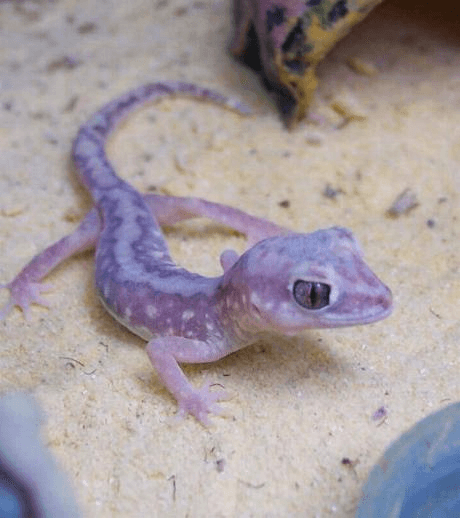
Beaded Gecko
Australia
Arid Desert, Semi-Arid Desert, Savannah Woodland, Spinifex-Covered Sandhills
- Approximately 7 cm In Length.
- Reddish-Brown Dorsal Coloration.
- Features Chains of Beads Surrounding A Cream-Pale Ridged Vertebral Strip.
- Single Lines of Pale Blotches Run Down the Sides of the Body.
- Scattered Smaller Spots Cover Dark Brown Limbs and Body.
- Rounded Snout.
- White Or Cream Upper Eyelid That Does Not Cover the Eye.
- Eyes Covered By Transparent Scales.
- Large Eyes With Pupils That Are Thin Vertical Slits During the Day and Rounded At Night.
- Tail Is A Straight Continuum of the Body, With Original Tails Having Continuing Patterns, But Regenerated Tails Are Plain Brown Or Spotted.
- Toes Are Flat, Unkinked, and Lack Adhesive Pads, Usually Whitish In Color.
Insects, Spiders
- Nocturnal Activity, Hiding During the Day and Hunting At Night.
- Travel Large Distances In Search of Food.
- Terrestrial and Ground-Dwelling.
- Use Insect and Spider Holes For Shelter During the Day.
- Swift-Moving.
Dogs, Cats, Foxes
Habitat Loss, Feral Predators
About Lucasium damaeum
What is known about the Beaded Gecko
The beaded gecko, scientifically known as Lucasium damaeum, is a species of gecko endemic to Australia. This small lizard is characterized by its distinctive appearance, featuring a reddish-brown coloration overlaid with markings that resemble chains of beads along a pale vertebral strip. It inhabits the arid and semi-arid regions of mainland Australia, including all states and the Northern Territory. The beaded gecko is a terrestrial creature, typically found in desert environments such as savannah woodlands and areas covered in spinifex.
Ecology and Behavior
As a nocturnal species, the beaded gecko spends its days concealed in shelters like insect and spider holes, emerging at night to actively hunt for its prey. Its diet consists mainly of insects. The gecko is known for its swift movement and ability to cover large distances in search of food. Its physical adaptations include large eyes with pupils that adjust from a vertical slit in daylight to a rounded shape in darkness, and its toes are flat and unsuited for climbing.
Reproduction
The beaded gecko is oviparous, meaning it reproduces by laying eggs. During the Australian breeding season, which spans from late September to December, females typically lay two eggs per clutch. Information regarding the specific incubation period or lifespan in the wild and captivity is not detailed in available records.
Source: Wikipedia ↗
Frequently Asked Questions
What does the beaded gecko look like?
The beaded gecko is about 7 cm long and has a reddish-brown upper side with markings that resemble chains of beads along a cream-colored vertebral strip. It has single lines of pale blotches down its sides and scattered spots on its limbs and body. Its eyes are large with a vertical slit pupil, and its toes are flat and lack adhesive pads.
Where can beaded geckos be found?
Beaded geckos are found in the drier, arid to semi-arid parts of mainland Australia, present in all states and the Northern Territory. They inhabit a variety of desert environments, including savannah woodlands and areas covered in spinifex.
What do beaded geckos eat?
Like most small lizards, beaded geckos primarily feed on insects. They crush their prey with their jaws rather than chewing it.
How do beaded geckos keep their eyes clean?
Beaded geckos have a white or cream upper eyelid that cannot cover their eyes. To maintain eye cleanliness, they use their long, flat tongues to wipe their eyes.
When do beaded geckos reproduce?
The breeding season for beaded geckos in Australia is from late September to December. Females typically lay two eggs per clutch.
Are beaded geckos good climbers?
No, beaded geckos are not well-suited for climbing. Their toes are flat and unkinked, lacking the adhesive pads that many arboreal lizards possess.
Related Lizards

Diplodactylus stenodactylus
The crowned gecko, scientifically known as *Lucasium stenodactylum* (formerly *Diplodactylus stenodactylus*), is a species of gecko native to Australia. It is characterized by its reddish-brown to brown coloration, often featuring a cream or white vertebral stripe, and pale spots on its limbs and body. This nocturnal lizard inhabits sandy soil, savannah woodlands, and shrubby stony areas.

Varanus giganteus
The perentie (Varanus giganteus) is one of Australia's largest lizards, inhabiting arid desert regions west of the Great Dividing Range. Known for its shyness and lean build, it features a distinctive creamy-white head and neck with black reticulations, and a yellow or cream body with brown rosettes. This apex predator plays a significant role in Aboriginal cultures as a totemic animal and bush tucker.
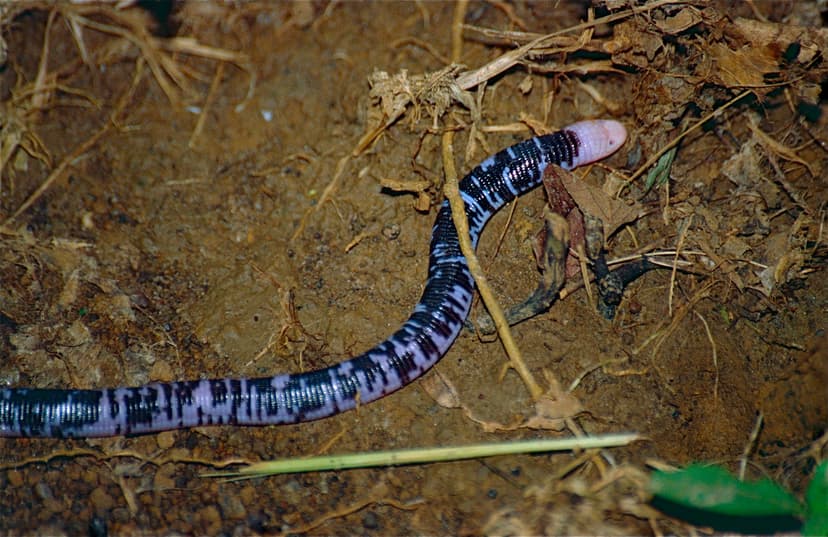
Amphisbaena fuliginosa
Amphisbaena fuliginosa, commonly known as the black-and-white worm lizard, is a fossorial species distinguished by its striking white and black mosaic pattern. It inhabits Amazonian forest areas in northern South America and is a burrowing, nocturnal predator of invertebrates and occasionally small vertebrates. This oviparous species plays a role in Yanomami mythology, where it is associated with warriors and the underworld.