
Morethia obscura
The shrubland Morethia skink (Morethia obscura) is a small, terrestrial lizard endemic to Australia. It is characterized by its olive-brown to olive-gray coloration, often with pale dorsolateral and broad black lateral stripes, and measures up to 129 mm in total length. Primarily found in arid and semi-arid woodlands, heaths, and shrublands, this species is insectivorous and reproduces by laying eggs.
Key Facts
- ›Endemic to Australia, found in New South Wales, South Australia, Victoria, and Western Australia.
- ›Small terrestrial lizard with an average adult body weight of approximately 1.9 grams.
- ›Adults measure between 107 mm and 129 mm in total length, with a snout-vent length of 18 mm to 56 mm.
- ›Inhabits woodlands, heaths, and shrublands, particularly in arid and semi-arid regions.
- ›Primarily insectivorous, with a diet likely consisting of crickets, flies, and beetles.
- ›Reproduces by laying 3 to 5 eggs, with breeding commencing from October to early November.

Shrubland Morethia Skink
New South Wales, Australia, South Australia, Australia, Victoria, Australia, Western Australia, Australia
Woodlands, Heaths, Shrublands, Mallee, Spinifex, Arid Areas, Semi-Arid Areas, Open Areas With Little Vegetation, Forest Edges
- Small Terrestrial Lizard.
- Average Adult Body Weight of Approximately 1.9 Grams.
- Dorsal Surface Is Olive Brown To Olive Gray.
- Sometimes Features A Pale Dorsolateral Stripe.
- Possesses A Broad, Irregular Black Lateral Stripe.
- Adults With Intact Tails Measure Approximately 107 mm To 129 mm.
- Snout Vent Length Ranges From 18 mm To 56 mm.
- Has One Pair of Nuchal Plates Covering the Dorsal Portion of the Neck.
- Scales On Mid-Body Are Usually In 26 To 28 Rows.
- Lamellae Under the Fourth Toe Are Smooth Or Keeled and Unicarinate.
Primarily Insectivorous, Likely Prey Includes Crickets, Likely Prey Includes Flies, Likely Prey Includes Beetles, Likely Prey Includes Grasshoppers, Insects Found In Vegetative Undergrowth
- Terrestrial.
- Heliothermic Species, Requires Ambient Light and Temperature.
- Abundant In Open Areas With Little Vegetation.
- Less Abundant, Almost Non-Existent In Heavily Vegetated Areas.
- Can Detach Tail For Defense .
- Can Regrow Detached Tail Within A Few Months.
- Known To Bury Themselves In Loose Soil To Hide When Pursued.
Foxes, Possums, Snakes, Birds, Rodents, Larger Lizards
Altered Fire Regimes, Habitat Loss Via Degradation, Predation
About Morethia obscura
What is Morethia obscura?
Morethia obscura, commonly known as the shrubland Morethia skink, is a small reptile belonging to the diverse lizard family Scincidae. This species is endemic to Australia and is characterized by its terrestrial lifestyle and preference for arid and semi-arid environments. While specific details about its life history are still being elucidated, existing research provides a foundational understanding of its physical traits, habitat, diet, and reproductive strategies.
Physical Characteristics and Habitat
The shrubland Morethia skink is a small lizard, with adults typically weighing around 1.9 grams and measuring between 10.7 to 12.9 cm in total length. Its coloration generally ranges from olive brown to olive gray, often featuring a pale dorsolateral stripe and a distinct, broad black lateral stripe. These skinks are found in a variety of habitats, including woodlands, heaths, and shrublands, often associated with mallee and spinifex vegetation. They are particularly abundant in open areas with sparse vegetation, such as forest edges, which provide necessary access to sunlight for thermoregulation while still allowing exploitation of food resources within more vegetated zones. They tend to be less common in densely vegetated areas and regions with rainfall exceeding 500mm annually.
Diet and Reproduction
While detailed dietary studies for Morethia obscura are limited, it is understood to be primarily insectivorous. Its diet likely consists of various insects found within its forest edge and undergrowth habitats, such as crickets, flies, and beetles. Reproduction is sexual, with distinct male and female organisms. Morethia obscura is oviparous, laying clutches typically ranging from 3 to 5 eggs. The breeding season commences in October to early November, with fertilized eggs developing significantly before being laid in late January.
Defense Mechanisms and Threats
Morethia obscura possesses notable defense mechanisms to evade predators, which include foxes, possums, snakes, birds, rodents, and larger lizards. The skink can employ autotomy, detaching its tail when threatened, which can then regenerate within a few months. Additionally, it can quickly bury itself in loose soil to escape pursuit. While habitat loss and degradation are potential threats, their preference for forest edges may offer some resilience. Altered fire regimes are also considered a threat, though the exact impact on their populations remains unclear, with complete loss following fire deemed unlikely.
Source: Wikipedia ↗
Frequently Asked Questions
What is the scientific name for the shrubland Morethia skink?
The scientific name for the shrubland Morethia skink is Morethia obscura. This name was given by G.M. Storr in 1972, distinguishing it from previously recognized species based on specific scale characteristics.
Where can the shrubland Morethia skink be found?
Morethia obscura is found across arid and semi-arid regions of Australia. Its distribution includes southwest New South Wales, southern South Australia and its offshore islands, northwest Victoria, and southern Western Australia.
What does the shrubland Morethia skink eat?
While specific dietary studies for Morethia obscura are limited, it is deduced to be primarily insectivorous. Its diet likely includes common insects found in its habitat, such as crickets, flies, and beetles.
How does the shrubland Morethia skink reproduce?
Morethia obscura is an oviparous species, meaning it reproduces by laying eggs. Females typically lay clutches of 3 to 5 eggs, with the breeding season starting in October or early November.
What are the main threats to Morethia obscura?
Key threats to the shrubland Morethia skink include altered fire regimes, which may impact its abundance, and habitat loss through degradation. Natural predators also pose a significant risk to the species.
Does Morethia obscura have any defense mechanisms?
Yes, Morethia obscura possesses two notable defense mechanisms. It can detach its tail to escape predators, a process called autotomy, and regenerate it over a few months. It can also bury itself in loose soil for concealment.
Related Lizards

Morethia boulengeri
Morethia boulengeri, commonly known as Boulenger's skink, is a small, insectivorous lizard endemic to Australia. It is characterized by its grey or brown dorsal coloration with darker flecks and a white ventral side, often featuring distinctive stripes. This adaptable species inhabits a variety of semi-arid and arid environments across the Australian mainland.

Pygopus lepidopodus
The common scaly-foot (Pygopus lepidopodus) is a legless lizard native to Australia, characterized by its snake-like appearance and prominent limb flaps. It inhabits grasslands, heaths, and woodlands, primarily foraging at dawn and dusk. When threatened, it exhibits a defensive behavior of flashing its tongue, mimicking snakes.
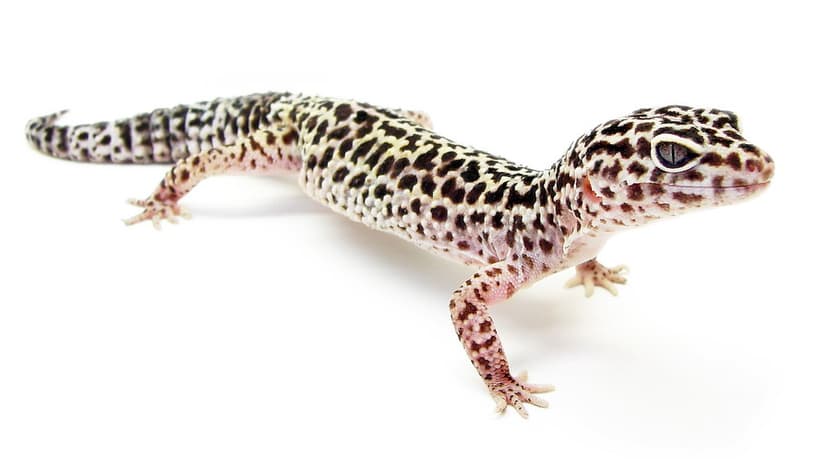
Eublepharis macularius
The leopard gecko (Eublepharis macularius) is a ground-dwelling lizard native to the dry grasslands and deserts of South Asia. Known for its distinctive spotted pattern, it is a popular pet and often considered the first domesticated lizard species due to extensive captive breeding. These geckos possess unique features like mobile eyelids and a thick tail used for fat storage.