
Oplurus saxicola
Oplurus saxicola·Opluridae
Oplurus saxicola, also known as the marked Madagascar swift, is a rock-dwelling iguana found exclusively in the Toliara province of southwestern Madagascar. Its distinctive physical characteristics include a depressed reddish-green body with marked spots, a white abdomen, a large throat, and very large, triangular eyes. This species is adapted to a saxicolous lifestyle, living among rocks.
Key Facts
- ›Endemic to Toliara province in southwestern Madagascar.
- ›Known for its depressed, reddish-green body with distinct spots and a white abdomen.
- ›Possesses very large, triangular eyes.
- ›Scales on the forefeet are webbed, and the thighs of the rear legs are muscular.
- ›The species name 'saxicola' derives from Latin, meaning 'rock dweller'.
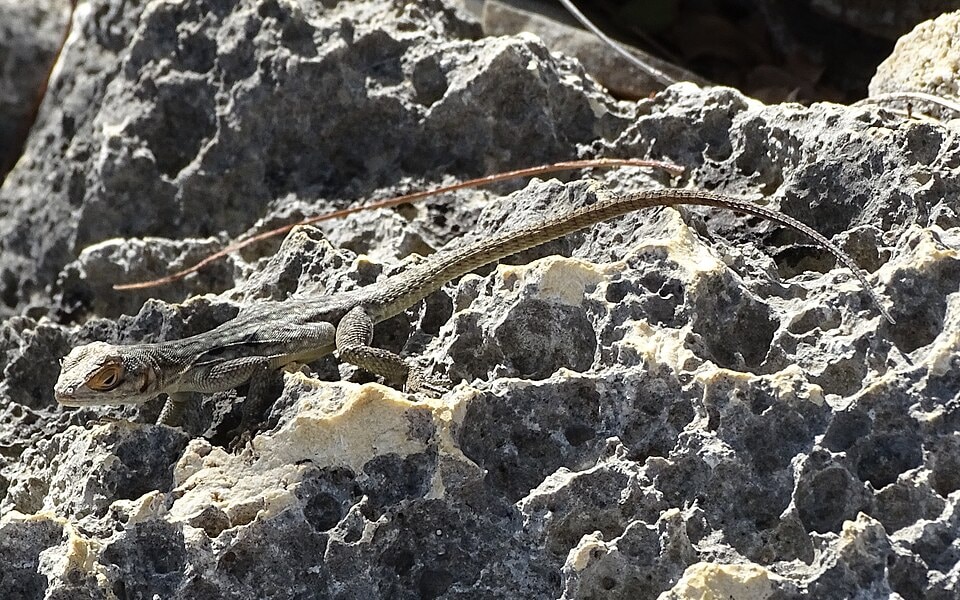
Marked Madagascar Swift
Madagascar
Rocky Environments, Saxicolous
- Extremely Depressed Reddish-Green Body With Marked Spots.
- White Abdomen.
- Large Throat.
- Very Large, Triangular-Shaped Eyes.
- Scales of the Forefeet Are Webbed.
- Thighs of Rear Legs Are Muscular.
- Scales On the Neck Are Similar In Size To Those On the Back.
About Oplurus saxicola
Oplurus saxicola: The Marked Madagascar Swift
Oplurus saxicola, commonly known as the marked Madagascar swift, is a distinctive lizard species belonging to the iguana family. Its name, derived from the Latin 'saxicola' meaning 'rock dweller,' accurately reflects its preferred habitat. This species is uniquely adapted to living among rocks, a characteristic that influences its morphology and behavior.
Description and Distribution
The marked Madagascar swift is characterized by its extremely depressed, reddish-green body adorned with striking spots, contrasting with a pale abdomen. It possesses a notably large throat and has very large eyes that are triangular in shape. Anatomical features include webbed scales on its forefeet and muscular thighs on its rear legs, adaptations likely aiding its movement within its rocky environment. The scales on its neck are comparable in size to those found on its back. This species is exclusively found in the Toliara province of southwestern Madagascar, making it endemic to this specific region.
Habitat and Lifestyle
As a saxicolous species, Oplurus saxicola thrives in rocky terrains. Its physical adaptations, such as its flattened body and specialized scales, are well-suited for navigating and sheltering within crevices and on rock surfaces. While specific details regarding its diet, social structure, and reproductive methods are not extensively documented in available records, its classification as an iguana suggests it likely occupies a niche within its ecosystem that involves foraging and seeking shelter within its chosen rocky landscape.
Source: Wikipedia ↗
Frequently Asked Questions
What does the name Oplurus saxicola mean?
The species name 'saxicola' comes from the Latin words 'saxum', meaning stone or rock, and 'cola', meaning dweller. This name reflects their habit of living in rocky environments.
Where is Oplurus saxicola found?
Oplurus saxicola is endemic to the Toliara province, located in the southwestern region of Madagascar. It is not found naturally anywhere else in the world.
What are the notable physical characteristics of Oplurus saxicola?
This lizard has a notably depressed body shape, colored reddish-green with distinct spots and a white underside. It features a large throat and very large eyes that are triangular in shape. The scales on its forefeet are webbed, and its hind legs have muscular thighs.
What kind of habitat does Oplurus saxicola prefer?
As indicated by its name, Oplurus saxicola is a saxicolous species, meaning it lives in rocky environments. Its adaptations, such as its body shape and scale structure, are suited to this habitat.
Related Lizards

Anatololacerta pelasgiana
The Pelasgian rock lizard (Anatololacerta pelasgiana) is a species of lizard native to Turkey and Greece. Little is documented about its specific characteristics, but its classification as a rock lizard suggests it likely inhabits rocky environments.
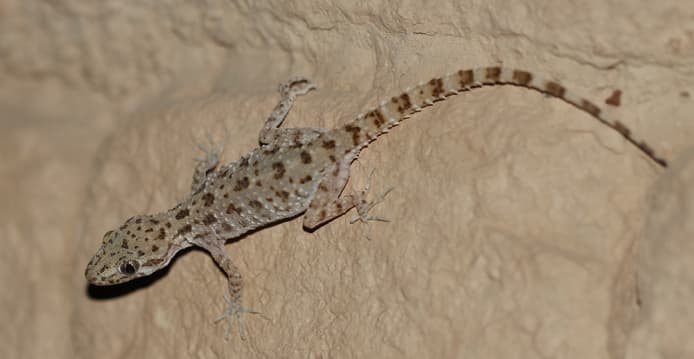
Cyrtopodion scabrum
Cyrtopodion scabrum, commonly known as the rough-tailed gecko, is a species of gecko found across West Asia, South Asia, and parts of North Africa. This lizard is characterized by its rough skin and is often found in rocky or arid environments. It has also been introduced to parts of the United States.
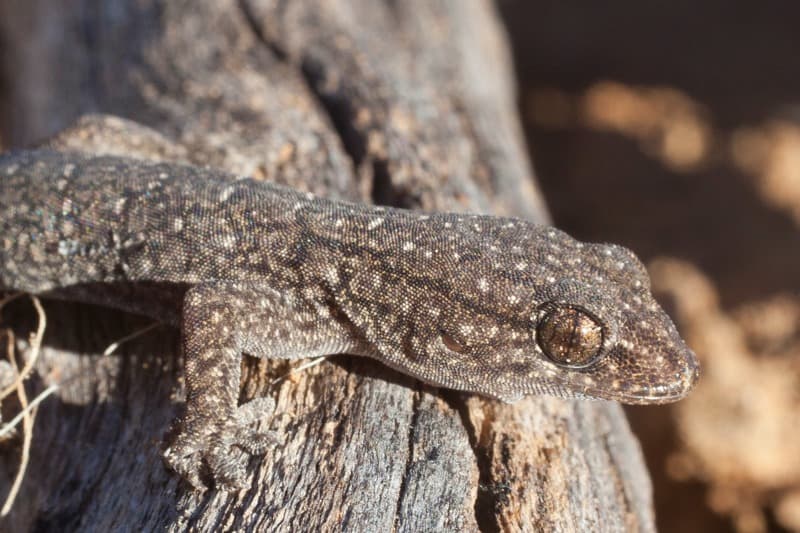
Gehyra variegata
Gehyra variegata, also known as the tree dtella, is a gecko species native to inland Australia. This lizard is characterized by its highly variable dorsal coloration, ranging from grey to brown with blotches or spots, and its ability to climb using specialized toe pads. It inhabits arid to sub-humid woodlands, shrublands, and rocky areas, demonstrating adaptability to disturbed land.