
Ptyodactylus
Ptyodactylus, commonly known as fan-fingered geckos, is a genus of geckos comprising 12 described species. These geckos are characterized by their distinctly splayed toes, resembling a snowflake pattern, which are equipped with adhesive pads and retractable claws. They are found across dry regions of Africa and the Middle East.
Key Facts
- ›Genus name "Ptyodactylus" means "fan-fingered".
- ›Possess adhesive toe pads for climbing.
- ›Each toe has a retractable claw.
- ›Tribe and subspecies are recognized within the genus.
- ›Distributed across dry areas of Africa and the Middle East.
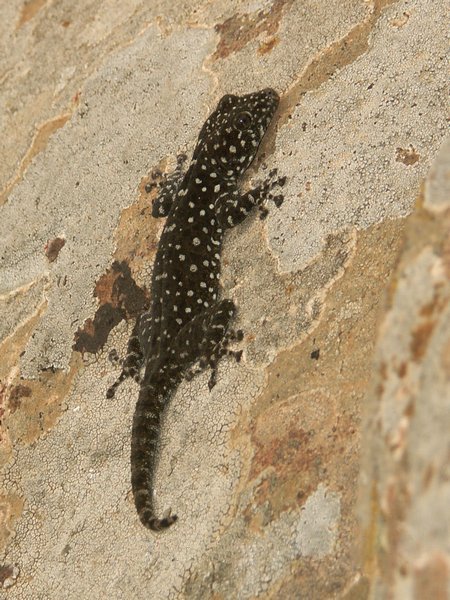
Fan-Fingered Geckos
Africa, Middle East
- Toes Are Splayed Out Like the Pattern of A Snowflake.
- Pads On the Ventral Surface of the Toes Are Adhesive.
- Each Toe Has A Retractable Claw.
About Ptyodactylus
Ptyodactylus: The Fan-Fingered Geckos
Ptyodactylus is a genus of geckos, commonly referred to as fan-fingered geckos, recognized for their distinctive toe structure. This genus encompasses 12 described species, each adapted to arid environments.
Geographic Range and Habitat
The Ptyodactylus genus is geographically distributed across the dry regions of both Africa and the Middle East. Their habitat primarily consists of arid landscapes, reflecting their adaptation to such environments.
Physical Characteristics
The most striking physical characteristic of Ptyodactylus geckos is their toes, which are splayed outwards in a pattern resembling a snowflake. These specialized toes are equipped with adhesive pads on their ventral surface, enabling them to grip surfaces effectively. Furthermore, each toe possesses a retractable claw, adding to their climbing capabilities.
Species Diversity
The genus includes several recognized species and subspecies, such as Ptyodactylus guttatus (Sinai fan-fingered gecko), Ptyodactylus hasselquistii (yellow fan-fingered gecko), and Ptyodactylus oudrii (Algerian fan-fingered gecko), among others. This diversity highlights their presence across various dry locales within their broad geographic range.
Source: Wikipedia ↗
Frequently Asked Questions
What are fan-fingered geckos?
Fan-fingered geckos are a genus of geckos known scientifically as Ptyodactylus. Their common name comes from the unique splayed pattern of their toes, which are described as being like a snowflake.
What is distinctive about Ptyodactylus toes?
The toes of Ptyodactylus geckos are splayed outwards, giving them their "fan-fingered" appearance. These toes also feature adhesive pads on their undersides, aiding in climbing, and each toe has a retractable claw.
Where are Ptyodactylus geckos found?
The genus Ptyodactylus is distributed across arid and dry regions of both Africa and the Middle East. Specific species can be found in areas like the Sinai Peninsula, Pakistan, Algeria, and Togo.
How many species are in the Ptyodactylus genus?
As of the current description, there are 12 recognized species within the Ptyodactylus genus. Several subspecies are also identified within these species.
Related Lizards

European snake-eyed skink
The European snake-eyed skink, also known as the European copper skink, is a small, slender lizard native to Eastern Europe and Southwestern Asia. It is characterized by its bronze coloration and immovable eyelids, a feature distinguishing it from many other skinks. This shy species inhabits dry, open areas, preferring to live under stones and leaves, and is primarily active during twilight hours.
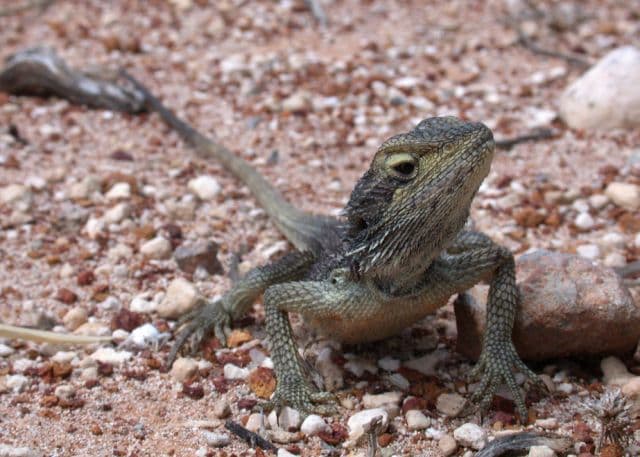
Abrolhos bearded dragon
The Abrolhos bearded dragon (Pogona minor minima) is a small agamid lizard endemic to the islands of the Houtman Abrolhos archipelago off the coast of Western Australia. It is characterized by its smaller size compared to related bearded dragons and inhabits sandy or limestone outcrop environments.

Algerian sand racer
The Algerian sand racer, scientifically known as Psammodromus algirus, is a lizard species found in southwestern Europe and northwestern Africa. It typically inhabits dense bushy vegetation and can be found at high elevations, though it is more common at lower altitudes. This species is characterized by its metallic brownish dorsal coloration with conspicuous white or yellowish stripes.