
Sonoran spotted whiptail
The Sonoran spotted whiptail (Aspidoscelis sonorae) is a parthenogenic lizard species native to the southwestern United States and Mexico. It is characterized by its unique reproductive method and its presence in arid environments.
Key Facts
- ›Parthenogenic species of teiid lizard.
- ›Found in Arizona and New Mexico (USA), and Mexico.
- ›Belongs to the genus Aspidoscelis.
- ›Reproduction occurs without fertilization.

Arizona, New Mexico, Mexico
About Sonoran spotted whiptail
The Sonoran Spotted Whiptail
The Sonoran spotted whiptail, scientifically known as Aspidoscelis sonorae, is a fascinating species of lizard recognized for its unique method of reproduction. This species belongs to the teiid family and is native to the arid regions of the southwestern United States, specifically found in Arizona and New Mexico, as well as parts of Mexico.
Key Characteristics
A defining feature of the Sonoran spotted whiptail is its parthenogenic nature. This means that individuals of this species are capable of reproducing asexually, with eggs developing and hatching without the need for fertilization by a male lizard. This reproductive strategy allows the species to persist and propagate through female lineages alone.
Source: Wikipedia ↗
Frequently Asked Questions
What is a Sonoran spotted whiptail?
The Sonoran spotted whiptail is a species of lizard belonging to the teiid family. It is notable for being a parthenogenic species, meaning it reproduces without fertilization from a male.
Where can the Sonoran spotted whiptail be found?
This lizard species has a natural geographic distribution that includes Arizona and New Mexico in the United States, as well as parts of Mexico.
What does parthenogenic mean for this lizard?
Parthenogenic means that individuals of this species can reproduce asexually. Eggs develop and hatch without being fertilized by a male, allowing for the continuation of the species through solely female lineages.
Related Lizards

Gray checkered whiptail
The gray checkered whiptail (Aspidoscelis dixoni), also known as Dixon's whiptail, is a lizard species found in northern Mexico and the southwestern United States. It is characterized by its gray coloration, thin body, and long tail adorned with 10-12 longitudinal white or yellow stripes, often with checkering. This diurnal and insectivorous species prefers rocky, semi-arid habitats with sparse vegetation and reproduces asexually through parthenogenesis.
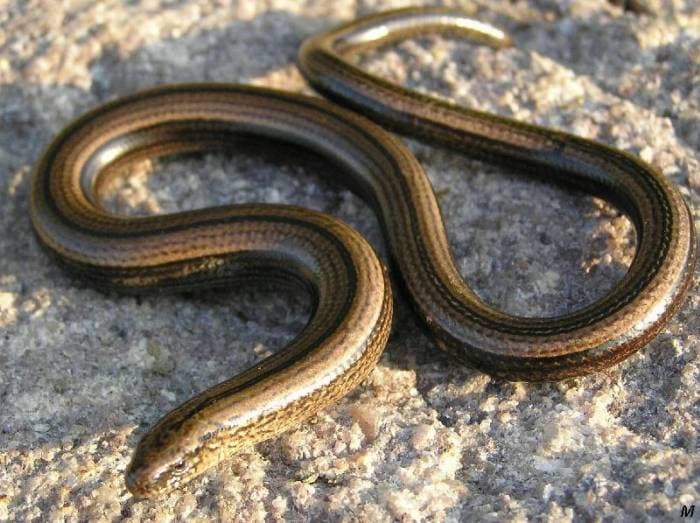
Anguidae
Anguidae is a large and diverse family of lizards found across the Northern Hemisphere. They are characterized by osteoderms beneath their scales, often a lateral skin fold, and reduced or absent limbs in the Anguinae subfamily, giving them a snake-like appearance. This family includes slow worms, glass lizards, and alligator lizards, inhabiting a wide range of environments from arid to tropical.

Badakhshana rock agama
The Badakhshana rock agama is a species of agamid lizard native to Central Asia, found in regions including Afghanistan, Pakistan, China, Turkmenistan, Tajikistan, and Kyrgyzstan. This lizard is characterized by its adaptation to rocky and arid environments.