
Sphaerodactylus vincenti
Vincent's least gecko (Sphaerodactylus vincenti) is a small lizard species endemic to the Caribbean, specifically found on several Windward Islands. It prefers moist, shaded leaf litter within forest and shrubland habitats, where it finds shelter and protection from drying out. This species is oviparous, laying eggs as its primary method of reproduction.
Key Facts
- ›Endemic to the Windward Islands of the Caribbean.
- ›Inhabits forest and shrubland environments.
- ›Prefers moist, shaded leaf litter for shelter and protection.
- ›Reproduction is oviparous (egg-laying).
- ›Named after the island of Saint Vincent.
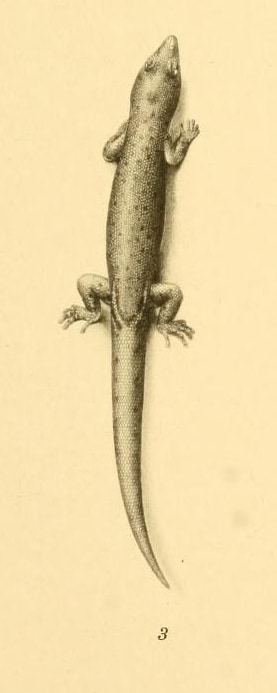
Vincent's Least Gecko
Dominica, Martinique, Saint Lucia, Saint Vincent
- Seeks Shelter In Leaf Litter For Protection Against Desiccation.
About Sphaerodactylus vincenti
Vincent's Least Gecko
Vincent's least gecko, scientifically known as Sphaerodactylus vincenti, is a species of lizard belonging to the Sphaerodactylidae family. This small reptile is endemic to the Caribbean, with its natural range encompassing several islands within the Windward chain. Specifically, S. vincenti can be found on Dominica, Martinique, Saint Lucia, and Saint Vincent, though it is absent from the southernmost island of Grenada.
Habitat and Behavior
The preferred habitats of Vincent's least gecko are forests and shrublands. Within these environments, the species shows a particular affinity for moist, shaded leaf litter. These microhabitats are crucial for the gecko's survival, providing essential shelter, access to prey, and vital protection against desiccation, or drying out.
Reproduction and Taxonomy
Sphaerodactylus vincenti is oviparous, meaning it reproduces by laying eggs. The species is named in honor of the island of Saint Vincent, reflecting its geographical distribution. The taxonomy of Vincent's least gecko includes ten recognized subspecies, such as Sphaerodactylus vincenti adamas and Sphaerodactylus vincenti vincenti, indicating a degree of variation across its range.
Source: Wikipedia ↗
Frequently Asked Questions
Where is Vincent's least gecko found?
Vincent's least gecko is found on the Windward Islands in the Caribbean. Specifically, it inhabits Dominica, Martinique, Saint Lucia, and Saint Vincent, excluding the southernmost island of Grenada.
What kind of habitat does Sphaerodactylus vincenti prefer?
This species thrives in forest and shrubland environments. Its population density is highest in moist, shaded areas with leaf litter, which provide essential shelter and protection.
How does Vincent's least gecko reproduce?
Sphaerodactylus vincenti is oviparous, meaning it reproduces by laying eggs.
Why is this lizard called Vincent's least gecko?
The specific name, vincenti, is a direct reference to the island of Saint Vincent, one of the locations where the species is found.
Are there different types of Vincent's least gecko?
Yes, ten subspecies of Sphaerodactylus vincenti are recognized as valid. These include Sphaerodactylus vincenti adamas, Sphaerodactylus vincenti diamesus, and Sphaerodactylus vincenti vincenti, among others.
Related Lizards

Paroedura picta
The ocelot gecko (Paroedura picta) is a crepuscular, ground-dwelling lizard native to the leaf litter of Madagascar's forests. Known for its distinctive ocelot-like markings and a slender body, this species is also a popular pet. While primarily insectivorous and nocturnal, they possess the ability to climb surfaces when startled.

Ristella beddomii
Beddome's cat skink, scientifically known as Ristella beddomii, is a small lizard species found in southwestern India. Characterized by its reddish-brown coloration and retractile claws, it inhabits forest leaf litter at various elevations.

Brookesia micra
Brookesia micra, also known as the Nosy Hara leaf chameleon, is a species of chameleon discovered on the islet of Nosy Hara in Madagascar. It is notable for being one of the smallest known chameleons and reptiles worldwide, with adults reaching a maximum length of just 29 mm. This species inhabits limestone karst areas, residing in leaf litter during the day and sleeping on tree branches at night.