
West Indian leopard gecko
The West Indian leopard gecko, scientifically known as *Eublepharis fuscus*, is a species of leopard gecko native to western India and potentially southeastern Pakistan. This robust gecko inhabits forested hills, scrublands, and rocky areas, exhibiting nocturnal and terrestrial behavior. Its name, 'fuscus,' reflects its dusky coloration.
Key Facts
- ›Found in western India, including the Western Ghats and Gujarat.
- ›May be present in southeastern Pakistan.
- ›Inhabits forested hill tracts, scrub, and boulder-strewn areas.
- ›It is a nocturnal and terrestrial species.
- ›Feeds primarily on scorpions and other arthropods.
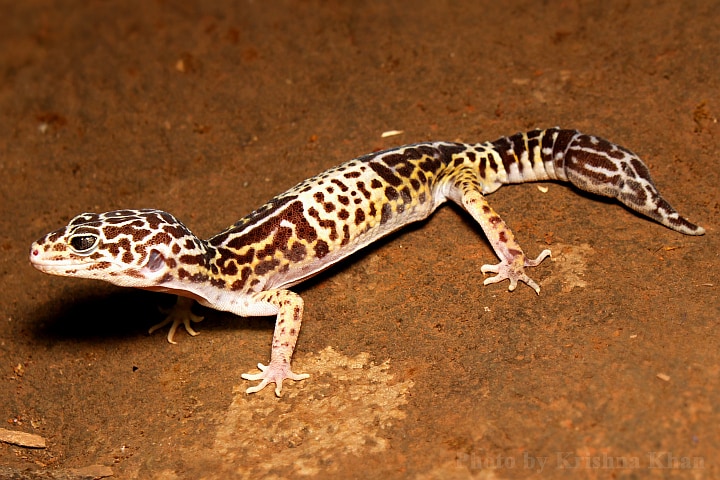
West Indian Leopard Gecko
Western India, Southeastern Pakistan
Robust Build, Can Reach 252 mm In Snout-To-Vent Length, Dusky Or Dark Coloration
Scorpions, Other Arthropods
Nocturnal, Terrestrial
About West Indian leopard gecko
West Indian Leopard Gecko (Eublepharis fuscus)
The West Indian leopard gecko, scientifically classified as Eublepharis fuscus, is a species of gecko recognized for its presence in western India and a potential range extending into parts of southeastern Pakistan. The specific name 'fuscus' directly translates to dark or dusky, offering a clue to its general appearance.
Description and Distribution
This reptile possesses a robust physique and is capable of reaching a significant size, with a snout-to-vent length that can extend up to 252 millimeters (9.9 inches). Its distribution is notably widespread across western India. Documented locations include the Western Ghats, specifically in northern Karnataka and various areas within Maharashtra, as well as the state of Gujarat. There is also an indication that its habitat might encompass regions in Pakistan.
Habitat and Behavior
The West Indian leopard gecko thrives in a variety of environments. It can be found inhabiting forested hill tracts, areas characterized by scrub and scrubland vegetation, and among rocky outcrops and boulders. This species is primarily nocturnal, meaning it is most active during the night. It is also a terrestrial gecko, dedicating its activity to the ground level of its habitat. Its diet is carnivorous, with a known preference for scorpions and a broader consumption of other arthropods it encounters.
Source: Wikipedia ↗
Frequently Asked Questions
What is the scientific name of the West Indian leopard gecko?
The scientific name of the West Indian leopard gecko is *Eublepharis fuscus*. This binomial nomenclature identifies it within the scientific classification of reptiles. The specific epithet 'fuscus' means dark or dusky.
Where can the West Indian leopard gecko be found?
This gecko is widely distributed across western India, with known populations in the Western Ghats, encompassing parts of northern Karnataka and Maharashtra, as well as in Gujarat. Its range may extend into southeastern Pakistan.
What kind of habitat does the West Indian leopard gecko prefer?
The West Indian leopard gecko is found in diverse habitats, including forested hill tracts, scrubland areas, and among boulders. It is a terrestrial species, meaning it lives and moves primarily on the ground.
What does the West Indian leopard gecko eat?
As a predator, the West Indian leopard gecko's diet consists mainly of scorpions. It also consumes other arthropods found within its habitat.
Is the West Indian leopard gecko active during the day or night?
The West Indian leopard gecko is a nocturnal species. This means it is primarily active and hunts for food during the night, resting during daylight hours.
Related Lizards
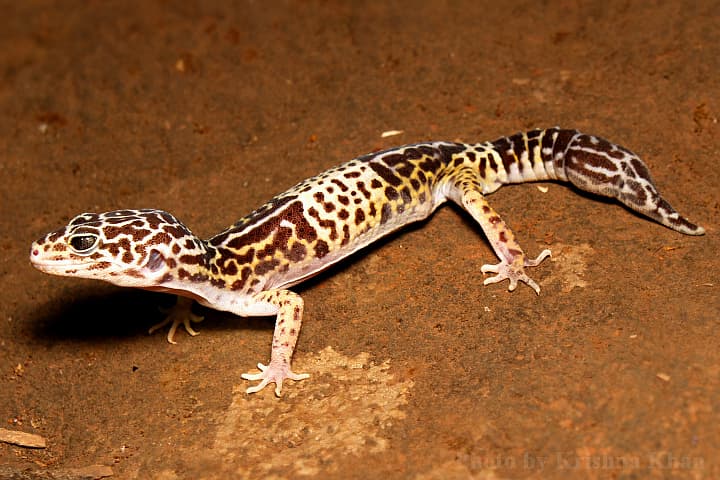
Eublepharis fuscus
The West Indian leopard gecko (Eublepharis fuscus) is a robust gecko species found in western India and potentially extending into southeastern Pakistan. Known for its dusky coloration, it inhabits forested hill tracts, scrub, and rocky areas. This nocturnal, terrestrial lizard primarily preys on scorpions and other arthropods.

Euleptes europaea
The European leaf-toed gecko (Euleptes europaea) is a small lizard distinguished by adhesive pads on its toes and tail, enabling it to climb exceptionally well. Its coloration varies from yellowish-brown to greyish-brown, often with blotchy patterns. Primarily found in rocky coastal regions and Mediterranean islands, this gecko is mostly nocturnal and feeds on insects and other small invertebrates.
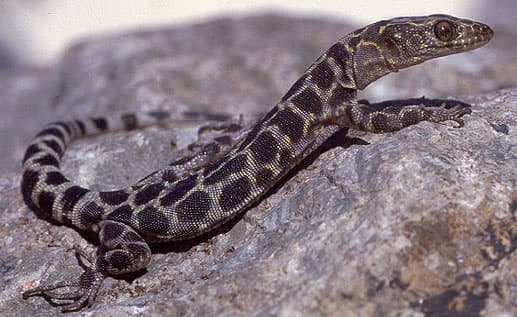
Xantusia henshawi
The granite night lizard (Xantusia henshawi) is a flat-bodied lizard endemic to North America, found in Baja California, Mexico, and southern California, USA. It is characterized by its soft skin, rounded dark dorsal spots on a pale background, large eyes with vertical pupils, and lack of eyelids. This species is often found in rocky slopes with boulders and crevices, and exhibits crepuscular and nocturnal activity.